
Wearable Personal Air Conditioner
Personal cooling you can carry anywhere. Understand the technologies behind wearable air conditioners, how to choose the right one, and what realistic performance looks like.
Explore the TypesWhy this matters: Wearable personal air conditioners are becoming popular for commuters, outdoor workers, event-goers, and anyone who wants relief from heat without cooling an entire room. But the category is broad — neck fans, evaporative coolers, thermoelectric devices, and cooling vests all work differently. This guide explains the trade-offs so you can pick a device that actually fits how you will use it.
What Is a Wearable Personal Air Conditioner?
A wearable personal air conditioner is a body-worn device designed to cool the user directly rather than the surrounding space. Unlike a portable room air conditioner, a wearable device is built around the person: it sits on the neck, waist, or torso and delivers airflow, evaporative cooling, or active cooling to a small area of skin.
The category is distinct from traditional air conditioning in an important way. A wearable device cannot lower ambient temperature, and it should not be expected to. Its goal is to improve personal comfort by accelerating sweat evaporation, moving air across the skin, or providing a cool surface against the body. That is enough to matter in hot conditions, especially during commutes, outdoor work, and indoor spaces without reliable cooling.
If you are considering personal cooling as part of a broader comfort strategy, our overview of spot cooling explains how personal and targeted cooling fits alongside room-level solutions like a stand-alone portable air conditioning unit.
Types of Wearable Personal Cooling Devices
Neck Fans
The most common wearable format. Two fan heads sit on either side of the neck and blow air upward toward the face and neck. Neck fans are lightweight, quiet on low settings, and provide meaningful relief by accelerating sweat evaporation. They do not actively cool the air, but they are the most reliable choice in humid climates where evaporative cooling is less effective.
Evaporative Cooling Neckbands
These devices combine airflow with a water-soaked cooling element. As air passes over the wet surface, evaporation lowers the air temperature slightly. Performance depends heavily on humidity: they work well in dry heat and lose effectiveness as humidity rises. They need periodic re-wetting to keep working.
Thermoelectric (Peltier) Devices
Thermoelectric devices use a semiconductor plate that becomes cold on one side when current flows. These devices can deliver noticeable cooling on contact, typically at the neck or wrist. They draw more power than simple fans and often require larger batteries or a waist-mounted power pack, but they provide the most direct cooling in a compact form.
Waist-Mounted Personal Air Conditioners
These clip to a belt and blow air up under clothing, creating a small cooling envelope around the torso. They are popular with outdoor workers and event staff. The trade-off is bulk, noise, and the need to manage airflow carefully so it feels comfortable rather than drafty.
Cooling Vests
Cooling vests use either phase-change material packs (which are frozen and then absorb heat) or evaporative fabrics. They provide broader cooling than a neck fan but are less convenient to carry and re-prepare. They are best suited to specific use cases such as outdoor work, sports, or prolonged heat exposure.
Combination Devices
Many modern wearables combine a fan with evaporative cooling or thermoelectric elements. These hybrid devices offer more cooling than a fan alone but inherit the limitations of both technologies, especially in high humidity.
Technology Comparison at a Glance
Use the table below to match a technology to your climate and usage pattern.
| Type | How It Cools | Best For | Key Considerations |
|---|---|---|---|
| Neck Fan | Airflow across skin | Humid climates, commuting, light activity | No active cooling; battery life varies with fan speed |
| Evaporative Neckband | Evaporation of water | Dry climates, outdoor events | Less effective in high humidity; needs re-wetting |
| Thermoelectric | Peltier cold plate | Direct cooling on contact | Higher power draw; needs larger battery |
| Waist-Mounted AC | Directed airflow under clothing | Outdoor work, event staff | Bulkier; airflow management matters |
| Cooling Vest | Phase-change packs or evaporative fabric | Prolonged heat exposure, sports | Requires prep; heavier than neck-worn devices |
Quality Tiers at a Glance
Rather than focusing on specific figures, it helps to think in terms of market tiers. The table below summarizes what each tier typically offers in wearable personal cooling.
| Tier | Typical Features | Best For | Key Considerations |
|---|---|---|---|
| Entry-Level | Basic fans, fixed speeds, plastic build | Occasional use, short commutes | Check fit and noise at low speed |
| Mid-Range | Adjustable speeds, quieter motors, USB-C charging | Daily commuting, light outdoor use | Better build and battery management than entry-level |
| Premium | Hybrid cooling, smart controls, premium materials | All-day wear, demanding conditions | Stronger cooling and quieter operation; more features to manage |
| Professional-Grade | Heavy-duty build, extended battery, high airflow | Outdoor work, industrial environments | Durability and runtime prioritized over portability |
Key Features to Compare
Battery Life and Charging
Battery runtime is the most practical limitation of any wearable. A neck fan on low speed may run several hours, while thermoelectric devices often need more power for meaningful cooling. Look for USB-C charging and confirm whether the device can run while charging, which matters for long days.
Noise Level
Fan noise varies widely. At low speeds, the best neck fans are barely audible, but at maximum speed they can become distracting. If you plan to wear the device in an office or on calls, check the noise rating or look for models with a dedicated quiet mode.
Weight and Fit
A wearable that does not fit comfortably will not get used. Neck fans should distribute weight evenly across the shoulders. Waist-mounted units need a secure clip and adjustable airflow. Cooling vests should fit snugly without restricting movement.
Cooling Technology
Match the technology to the climate. In humid areas, airflow-based devices outperform evaporative ones. In dry heat, evaporative cooling adds real benefit. If direct contact cooling is the priority, thermoelectric devices deliver more noticeable relief on the skin.
Build Quality
Wearables are exposed to sweat, sun, and motion. Look for durable construction, sweat-resistant materials, and hinges or joints that hold their shape. Premium tiers often use better plastics and metal components that hold up longer.
Controls and Usability
Simple controls matter. Physical buttons that work with sweaty hands and a clear battery indicator make a bigger difference in daily use than extra features you will not touch.
What to Realistically Expect
Wearable personal air conditioners are not room air conditioners. They will not lower the temperature of a space, and they cannot replace a real cooling system in extreme heat. What they can do is improve perceived comfort during a commute, add relief during outdoor work, and make a hot room feel more tolerable when used alongside fans or ventilation.
If you are dealing with a hot room rather than personal heat exposure, a wearable is not the right tool. For interior spaces, see our guide on wall mounted air conditioner for small room or explore stand-alone portable air conditioning units as a starting point. Wearables complement these solutions; they do not replace them.
Buying Tips
- Match the device to the climate. Airflow for humid conditions, evaporative for dry heat, thermoelectric for direct contact cooling.
- Check runtime at each speed. Advertised maximum battery life is usually at the lowest fan speed. Confirm what you get at the settings you will actually use.
- Confirm fit before committing. Read reviews about weight distribution and neck comfort, especially for all-day wear.
- Prefer USB-C charging. It simplifies charging and reduces cable clutter, especially if you already carry USB-C devices.
- Look for a quiet mode. If you plan to use the device in shared or quiet spaces, fan noise matters.
- Check the return policy. Fit and noise are personal, so a return window is valuable if the device does not suit you.
Care and Maintenance
- Clean the fan intakes regularly. Dust and lint reduce airflow and can make the motor work harder.
- Wipe the device after sweaty use. Sweat and sunscreen residue can damage electronics over time.
- Store at moderate temperatures. Extreme heat degrades batteries, so avoid leaving the device in a hot car.
- Re-wet evaporative elements. For evaporative models, keep the cooling element damp for best performance and dry it fully before storage.
- Recharge periodically during storage. Lithium batteries last longer when kept partially charged rather than fully drained.
Recommended Wearable Personal Air Conditioners
⚠️ AFFILIATE DISCLOSURE: This website contains affiliate links. As an Amazon Associate, we earn from qualifying purchases. If you make a purchase through these links, we may receive a small commission at no additional cost to you. Read our full affiliate policy.

Agihoss Neck Air Conditioner Fans That Blow Cold Air Cooling Device Wearable Fan,5200mAh Battery Operated Rechargeable Personal Fan, White
Check price on Amazon
SWEETFULL Portable Neck Fan: 5200mAh Bladeless Personal Fan | 4 Speeds, 20H Max Runtime, No Hair Twist Quiet Wearable Fan for Travel | Birthday Gifts for Men Women Mom Dad
Check price on Amazon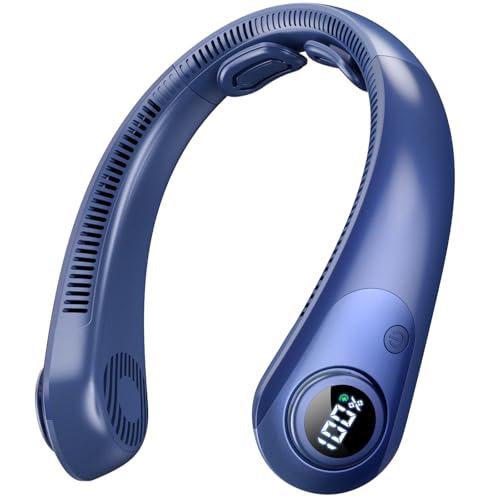
Portable Neck Fan that Blow Cold Air, LED Display, Rechargeable Hands-Free Wearable Cooling Personal Fan, 5 Speed, Neck Support, Bladeless Neck Air Conditioner, Gifts for Women/Men, Hot Flashes
Check price on Amazon
Tedajo AI Portable Waist Fan, 6 Speeds 16000RPM Strong Turbo Airflow, 40H Max Cooling Battery Powered Personal Fan Rechargeable, Hands-Free Shirt/Belt/Neck Fan for Work, Outdoor, Travel, Gift for Men
Check price on Amazon
TORRAS COOLiFY Air 2026 Upgraded Neck Fan Air Conditioner, Dual-Airflow Pro Cooling, Ultra Light Portable Fan Rechargeable, Personal Cooling Fan Travel Essentials, Gift for Dad Husband Father, Black
Check price on Amazon
FUGUIFA Neck Air Conditioner Fans That Blow Cold Air, 6000 mAh Battery Operated Wearable Cooling Device Fan, Bladeless, Rechargeable Fan, Black
Check price on AmazonFrequently Asked Questions
What is a wearable personal air conditioner?
A wearable personal air conditioner is a small, body-worn device that cools the user directly rather than cooling an entire room. Common formats include neck fans, waist-mounted air coolers, and cooling vests. They use a mix of airflow, evaporative cooling, thermoelectric cooling, or phase-change materials to provide localized relief in hot conditions.
Do wearable air conditioners really work?
They work for personal, localized relief, but they do not cool a room or lower ambient temperature. Neck fans and airflow devices help evaporate sweat and improve perceived comfort. Evaporative and thermoelectric models can provide stronger cooling on the skin, though results depend on humidity and battery life. Set expectations accordingly: these are personal comfort devices, not room air conditioners.
How long do wearable air conditioner batteries last?
Battery life varies widely by cooling technology and fan speed. Basic neck fans often run several hours on low, while thermoelectric and evaporative devices tend to drain faster because they actively cool rather than just move air. Check the rated runtime at each fan speed, and prefer models with USB-C charging and pass-through operation.
Are wearable air conditioners safe to use all day?
For most healthy adults, yes, provided the device fits comfortably and does not obstruct airflow to the face or neck. Avoid prolonged direct cooling on sensitive areas, and be cautious with evaporative models in very humid climates where cooling performance drops. People with medical conditions should consult a doctor before relying on personal cooling devices in extreme heat.
What is the difference between a wearable AC and a wearable fan?
A wearable fan moves air across the skin, which speeds sweat evaporation and improves comfort without actively lowering air temperature. A wearable AC — especially thermoelectric or evaporative models — attempts to deliver cooler air or a cooler contact surface. In practice, the terms are used loosely, and many products combine both approaches. Our article on wearable air conditioner compares the two categories in more detail.
Final Thoughts
A wearable personal air conditioner is a practical tool for commuting, outdoor work, and hot indoor environments where room cooling is unavailable or impractical. The key is to match the technology to your climate and use case: airflow-first devices in humid regions, evaporative in dry heat, thermoelectric for direct contact cooling, and cooling vests for prolonged exposure. Choose one that fits well, runs long enough for your day, and stays quiet enough to wear comfortably. Used with realistic expectations, a wearable device can make hot days noticeably more bearable.