Wearable Air Conditioner: Complete Buying Guide
Understand how personal cooling devices work, compare neck fans, cooling vests, and thermoelectric units, and choose the right wearable for your climate and activity.
START LEARNINGWhy the wearable air conditioner category matters: Not every hot situation happens indoors. Outdoor workers, commuters, athletes, festival-goers, and people in large open spaces cannot always stay near a conventional air conditioner. A wearable air conditioner cools the person rather than the room, so comfort follows you wherever you go. This guide explains how the different designs work, what they can and cannot do, and how to choose one that fits your real-world use.
What a Wearable Air Conditioner Is
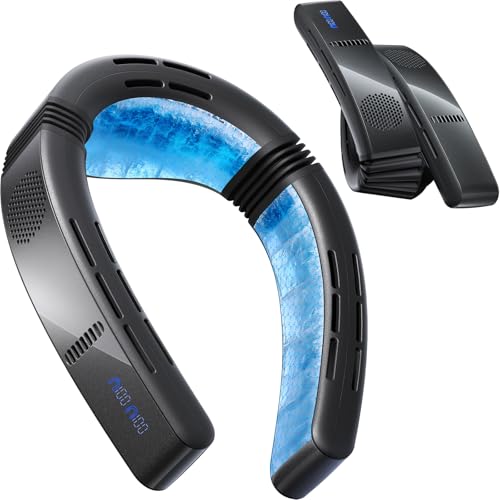
A wearable air conditioner is a small battery-powered cooling device that you wear on your body. Most designs sit around the neck like a pair of headphones; others are worn as a vest or as a belt-mounted unit with a directed airflow tube. They cool the wearer, not the room. The category includes simple neck fans that move air, thermoelectric neck units that actively chill a metal plate against the skin, and cooling vests that use ice packs or phase-change materials.
The phrase is sometimes used loosely. Some products marketed as a "wearable air conditioner" are essentially high-output neck fans with an evaporative cooling pad. Others use a small compressor-like thermoelectric module (often called a Peltier device) to create a genuine cooling sensation. Understanding which technology you are buying matters, because the cooling effect, battery runtime, and comfort differ significantly.
The broader category of personal cooling is covered in our guide to wearable personal air conditioner options, which compares wearable formats against handheld and desktop personal coolers. For a wider look at room-scale personal cooling, see spot cooling, which explains how targeted cooling works in larger spaces.
If you are comparing a wearable device against a portable air conditioner for a small room, the guide on stand-alone portable air conditioning units explains what full-room cooling involves. A wearable is a complement to room cooling, not a replacement.
Main Types of Wearable Cooling Devices
The wearable cooling category spans several distinct designs. Each has a different cooling mechanism, comfort profile, and best use case.
Neck Fans
Battery-powered fans worn around the neck with vents that direct air toward the face and neck. Lightweight, quiet, and widely available. They increase airflow across the skin, which helps sweat evaporate and improves perceived comfort.
Best for: commuting, outdoor errands, and light activity in warm weather.
Thermoelectric Neck Units
Neck-worn devices that use Peltier plates to chill a metal surface against the skin. They create a genuine cooling sensation rather than just moving air. Heavier and more battery-hungry than basic neck fans.
Best for: hot indoor environments, outdoor workers, and users who want an active cooling sensation.
Cooling Vests
Vests with pockets for ice packs or phase-change material inserts. They cool the torso, which helps regulate overall body temperature. Effectiveness depends on the pack and how quickly it melts or warms up.
Best for: outdoor work, industrial environments, and physical activity in heat.
Evaporative Neck Wraps
Fabric wraps soaked in water that cool as the water evaporates. Very light and simple, but effectiveness drops sharply in humid climates. A good complement to a neck fan in dry heat.
Best for: dry climates, light activity, and short-duration outdoor use.
Belt-Mounted Personal Coolers
A small cooling unit clipped to a belt with a flexible hose that directs cooled air toward the face or body. Useful when you need directed airflow while keeping your hands free.
Best for: workshop tasks, gardening, and situations where neck-worn devices are impractical.
Cooling Hats and Headbands
Hats and headbands with built-in fans or cooling inserts. They cool the head, which many users find especially refreshing. Often combined with a neck fan for a stronger overall effect.
Best for: outdoor sports, hiking, and sun exposure.
Some devices combine approaches: a neck fan with an evaporative pad, or a thermoelectric unit with a fan. Combining technologies can deliver a stronger effect, but it also increases weight and battery draw. For a broader look at how these compare with wall-mounted and split systems, the guide to types of air conditioning units explains where personal cooling fits in the wider landscape.
How Personal Cooling Actually Works
Wearable cooling devices rely on a few basic mechanisms, and understanding them helps you set realistic expectations.
Airflow. Fans move air across the skin, which accelerates sweat evaporation. Evaporation is the body's natural cooling mechanism, so a fan can make you feel significantly cooler even when the air temperature has not changed. This is why a simple neck fan can help in a hot room or on a commute.
Thermoelectric cooling. A Peltier plate creates a cold surface when current passes through it. Pressed against the neck, the plate delivers a direct cooling sensation. The cold side gets cold, but the hot side gets hot, which is why these devices include a fan and heat sink to exhaust warm air away from the wearer. They use more battery than a simple fan but deliver a stronger cooling sensation.
Evaporative cooling. A wet fabric or pad cools as water evaporates from it. This works well in dry climates but is much less effective in high humidity, because the air is already close to saturated and cannot absorb more moisture quickly.
Phase-change and ice packs. Cooling vests use ice or phase-change material that absorbs heat as it melts or transitions. The effect is strong for a limited time and then fades. Recharging requires freezing or re-cooling the pack.
None of these methods cool a room. They cool the person wearing the device. That distinction is important when deciding what to expect. If you want to cool a space, the right tool is a room air conditioner, not a wearable. The guide on wearable personal air conditioner explains how personal devices fit alongside room cooling rather than replacing it.
For users in very hot, dry environments, an evaporative approach can be surprisingly effective. For users in humid climates, airflow and thermoelectric devices work better. Choose the mechanism that matches your climate.
Comparison and Tier Guide
Wearable cooling devices fall into recognizable market tiers. The table below compares them using neutral tier descriptors rather than currency figures.
| Tier | Typical Characteristics | Cooling Method | Best For |
|---|---|---|---|
| Entry-level | Basic neck fan, single speed, simple construction, shorter runtime | Airflow only | Light errands, short commutes, occasional use |
| Mid-range | Multi-speed fan, longer battery, quieter operation, better build quality | Airflow or evaporative | Daily commutes, outdoor work in moderate heat |
| Premium | Thermoelectric cooling plate, smart controls, extended runtime, premium materials | Active cooling plus airflow | Hot indoor environments, outdoor workers, extended use |
| Professional-grade | Heavy-duty cooling vests, industrial phase-change packs, reinforced construction | Phase-change or ice packs | Industrial work, physical labor, extreme heat |
A mid-range neck fan typically offers longer runtime and quieter operation than an entry-level model, which matters for extended use. A premium thermoelectric unit delivers a stronger cooling sensation but weighs more and runs for a shorter time per charge. A professional-grade cooling vest is not comparable to a neck fan in function; it is a different tool for a different job.
If you are also considering room-scale cooling for a small space like a home office, the guide on wall mounted air conditioner for small room explains the alternatives. For targeted cooling of a single workstation indoors, the article on spot cooling covers the room-level approach.
Best Use Cases and Realistic Expectations
Wearable cooling devices shine in specific situations. They are less useful in others. Here is a practical breakdown.
Strong use cases:
- Outdoor work and commuting. A neck fan or thermoelectric unit keeps you comfortable while you move between buildings, wait for transit, or work outdoors.
- Physical activity in heat. A cooling vest helps regulate body temperature during exercise, gardening, or warehouse work.
- Large open spaces. In a big warehouse or workshop where cooling the entire volume is impractical, a wearable cools the worker instead. The guide on warehouse air conditioner explains how spot and zone cooling fit alongside wearables.
- Events and festivals. A wearable cooling device keeps you comfortable in crowds where you cannot move to a cooler spot.
- Hot indoor spaces without AC. A thermoelectric neck unit provides relief in a kitchen, garage, or workshop where a room air conditioner is impractical.
Where wearables are less effective:
- Cooling a room. A wearable cannot lower the temperature of a room. Use a room air conditioner for that.
- Very humid climates. Evaporative cooling loses effectiveness. Airflow and thermoelectric devices work better.
- Sleeping. Wearables are not designed for sleep. A bedroom air conditioner or fan is a better choice.
- Extended sedentary use. Neck fans are comfortable for long periods, but thermoelectric units can feel heavy after a few hours.
Setting realistic expectations is key. A wearable air conditioner improves comfort but is not a substitute for a proper room cooling system. If your home or workspace is consistently too hot, the guide on how to size an air conditioner explains how to choose the right room unit. For a targeted room-level solution, the article on wall mounted air conditioner for apartment covers compact options.
Battery, Comfort, and Safety Tips
Battery life, weight, and safety are the practical concerns that determine whether a wearable cooling device is comfortable to use for more than an hour.
- Check runtime at the speed you will use. A neck fan rated for eight hours at low speed may run only two or three hours at maximum. If you need all-day use, look for a model with a swappable battery or a larger battery capacity.
- Consider weight. A thermoelectric neck unit weighs noticeably more than a basic fan. For long wear, a lighter device is often more comfortable even if it cools less aggressively.
- Look for quiet operation. Neck fans and thermoelectric units produce fan noise. If you plan to use one in an office or on calls, look for a model with a low-noise mode.
- Charge safely. Use the manufacturer's charger and avoid charging overnight on soft surfaces. Replace batteries that no longer hold a charge.
- Keep the device clean. Skin contact surfaces accumulate sweat and oils. Wipe them regularly and follow the manufacturer's cleaning instructions.
- Watch for irritation. If the cooling plate or fan vents cause skin irritation, reduce use and take breaks. People with certain medical conditions should consult a healthcare professional before relying on personal cooling devices.
If you are using a wearable in a hot indoor environment like a workshop or garage, the guide on garage AC explains room-level cooling for those spaces. If your main concern is a hot bedroom, the article on bedroom AC guide covers quieter, room-level solutions that work better than a wearable for sleep.
For outdoor workers who need sustained cooling, a professional-grade cooling vest combined with a neck fan is often the most effective combination. For commuters, a mid-range neck fan is usually sufficient. Match the device to the duration and intensity of the activity, not just the advertised cooling power.
Cleaning and Maintenance
Wearable cooling devices are worn against the skin and exposed to sweat, dust, and outdoor air. Regular cleaning keeps them hygienic and extends their working life.
- Wipe contact surfaces after each use. Use a soft, slightly damp cloth on the neckband, cooling plate, and vents. Avoid soaking electrical components.
- Clean fan intakes. Dust and lint collect on the fan intake grilles. Use a soft brush or compressed air to clear them. A clogged intake reduces airflow and increases motor load.
- Remove and clean evaporative pads. If your device uses an evaporative pad, remove and rinse it regularly, and replace it when it becomes stiff or develops odor.
- Store the battery properly. If the device will not be used for a while, charge it to about half capacity before storing it in a cool, dry place. Avoid leaving it fully discharged for long periods.
- Inspect for wear. Check the neckband, fan housing, and charging port for cracks or damage. A damaged battery or charging port should be replaced, not repaired with makeshift fixes.
For users who rely on a wearable during outdoor work, a simple routine — wipe, air-dry, and store — is usually enough. If the device develops a burning smell, unusual noise, or will not hold a charge, stop using it and contact the manufacturer. Electrical safety should never be compromised for convenience.
If you use a wearable alongside a room air conditioner, keep the room unit well maintained too. The guide on cleaning condenser coils covers one of the most common maintenance tasks for room systems.
Buying Checklist Before You Decide
Use This Checklist to Narrow Your Options
- Decide what you need to cool. A person (wearable) or a room (room AC). Wearables do not cool rooms.
- Match the technology to your climate. Evaporative cooling for dry heat, airflow and thermoelectric for humid heat.
- Check runtime at the speed you will use. All-day use requires a larger battery or a swappable battery.
- Consider weight and comfort. Light neck fans are easier for long wear; thermoelectric units cool more but weigh more.
- Look for quiet operation. Important in offices, on calls, and in shared spaces.
- Check build quality. Solid construction, reinforced neckband, and reliable charging port extend useful life.
- Plan for cleaning. Contact surfaces and fan intakes need regular cleaning to stay hygienic.
- Set realistic expectations. A wearable improves comfort but does not replace a room air conditioner.
If you are comparing a wearable with a room air conditioner for a specific space, the guide on wall AC units for air conditioning explains room-level alternatives. For outdoor use where a wearable may be the only option, the article on RV and camper AC covers cooling for another mobile scenario.
If you are considering a room air conditioner for a hot bedroom or home office alongside a wearable, the article on wall mounted air conditioner for small room explains sizing and installation for compact spaces. The two approaches work well together: a room unit cools the space, and a wearable keeps you comfortable when you step outside.
Frequently Asked Questions
What is a wearable air conditioner?
A wearable air conditioner is a small battery-powered personal cooling device worn on the body, usually around the neck or as a vest. Most use fans to move air across the skin, while some use thermoelectric plates or evaporative cooling to deliver a stronger cooling effect. They cool the wearer, not the room.
Does a wearable air conditioner really cool you down?
Yes, but the effect is local and modest. Neck fans and cooling vests improve perceived comfort by increasing airflow and helping sweat evaporate. Thermoelectric neck units can deliver a noticeable cooling sensation on the neck and face. None of these devices lower the temperature of a room or replace a conventional air conditioner.
How long does a wearable air conditioner battery last?
Runtime varies widely. Basic neck fans may run four to eight hours on a charge at low speed, while high-output thermoelectric units often run two to four hours. Heavier cooling vests that use ice packs or phase-change materials offer different runtime profiles based on the pack, not a battery. Check the rated runtime at the speed you plan to use.
Are wearable air conditioners safe to use all day?
For most healthy adults, wearable cooling devices are safe for extended use. Avoid blocking the fan intake, keep the device clean, and take breaks if you feel discomfort or skin irritation. People with certain medical conditions should consult a healthcare professional before relying on any personal cooling device.
Can a wearable air conditioner replace a room air conditioner?
No. A wearable air conditioner cools the person wearing it, not the surrounding space. It is a complement to room cooling, not a replacement. It is most useful outdoors, in workshops, in large open spaces, or during physical activity where a room air conditioner cannot follow you.
Ready to Compare Wearable Air Conditioners?
Explore recommended personal cooling devices, from basic neck fans to thermoelectric units and cooling vests, selected for different climates and activities.
View Recommended Devices