What Is an Air Handler Unit? The Complete Guide
Discover how this essential indoor component circulates conditioned air through your home, why it matters for comfort and efficiency, and what to check before you invest in a new system.
Understanding the Air Handler Unit
If you have ever looked at your indoor HVAC equipment and wondered what that large metal cabinet connected to your ductwork does, you are looking at an air handler unit—often abbreviated as AHU. While the outdoor condenser gets most of the attention, the air handler is the quiet workhorse that actually moves cooled or heated air through your home's ducts.
An air handler is the indoor portion of a split-system HVAC setup. It contains a blower fan, an evaporator coil (in cooling mode), filters, and sometimes auxiliary heat strips or a heat pump coil. Together with the outdoor unit, it forms a complete comfort system. Understanding this component helps you make informed decisions about efficiency, indoor air quality, and long-term reliability.
Key takeaway: The air handler does not generate cooling on its own—it distributes the conditioned air produced by the outdoor condenser or heat pump. Think of it as the lungs of your HVAC system, breathing treated air throughout your living space.
How an Air Handler Unit Works
The operation of an air handler is straightforward yet critical. Here is the sequence of events during a typical cooling cycle:
- Thermostat signals demand: When your home reaches the set temperature, the thermostat calls for cooling.
- Outdoor condenser activates: The compressor and condenser fan start, sending refrigerant through the line set to the indoor coil.
- Blower fan engages: The air handler's blower pulls warm return air from your living space through the return ducts and filter.
- Heat exchange occurs: As air passes over the cold evaporator coil, heat and moisture are removed, cooling and dehumidifying the air.
- Conditioned air is distributed: The blower pushes the treated air through the supply ducts into each room, completing the cycle.
In heating mode—if your system includes a heat pump—the process reverses, and the air handler distributes warm air instead. Some air handlers also house electric resistance heat strips for backup heating during extremely cold weather.
To understand the broader system this component belongs to, explore our guide on what air conditioning is and how it differs from other cooling methods.
Key Components Inside an Air Handler
Although designs vary by manufacturer and tier, most air handlers share these core components:
1. Blower Fan
The blower is the heart of the air handler. It uses a motor—often a variable-speed or ECM motor in mid-range and premium models—to move air through the ductwork. Variable-speed blowers operate more quietly and maintain consistent airflow, improving comfort and efficiency compared to single-speed designs.
2. Evaporator Coil
This coil absorbs heat from the indoor air in cooling mode. Proper coil maintenance is essential; a dirty coil reduces efficiency and can lead to frozen coils. Pairing a clean coil with a well-matched outdoor unit is the foundation of an efficient system.
3. Air Filter
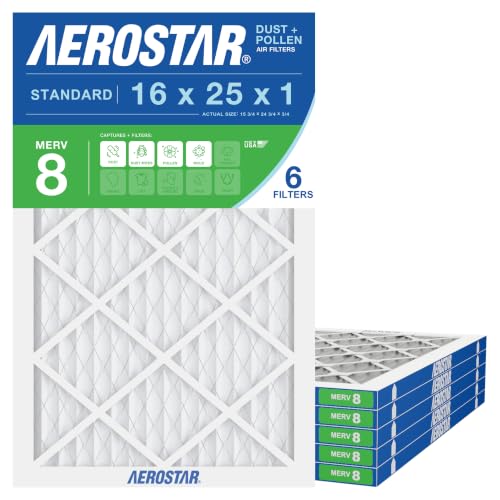
The filter captures dust, pollen, and debris before air enters the coil. Regular filter replacement—typically every one to three months—protects the blower and coil and supports healthy indoor air. Learn more about timing in our guide on when to replace an AC filter.
4. Drain Pan and Condensate Line
As the coil dehumidifies air, condensation collects in a drain pan and exits through a condensate line. A clogged line can cause water damage, so periodic inspection is wise.
5. Heat Strips or Heat Pump Coil (Optional)
In heating applications, the air handler may include electric heat strips or a heat pump coil to warm air before distribution.
6. Cabinet and Insulation
The metal cabinet protects internal parts, and internal insulation reduces noise and prevents condensation on exterior surfaces.
Types of Air Handler Units
Air handlers are available in several configurations to suit different installation environments and system designs:
- Horizontal air handlers: Designed for attics, crawl spaces, or tight ceiling cavities where vertical space is limited.
- Vertical (upflow/downflow) air handlers: Common in closets and basements, with airflow directed upward or downward into ductwork.
- Multi-position air handlers: Flexible units that can be configured for upflow, downflow, or horizontal applications, simplifying inventory and installation.
- Variable-speed air handlers: Mid-range and premium tier models with ECM blowers that adjust speed for consistent comfort, quieter operation, and better humidity control.
- Air handlers with integrated heat pumps: Combined units that handle both heating and cooling distribution.
When selecting a unit, match its airflow capacity (measured in CFM) to your system's requirements. An undersized blower struggles to distribute air, while an oversized one can cause noise and uneven temperatures.
Air Handler vs Furnace: What's the Difference?
Homeowners often confuse air handlers with furnaces because both sit indoors and connect to ductwork. The distinction lies in their primary function:
| Feature | Air Handler Unit | Furnace |
|---|---|---|
| Primary function | Circulates conditioned air through ducts | Generates heat via combustion or electric elements |
| Cooling capability | Yes, when paired with an outdoor condenser | No (cooling requires a separate coil and condenser) |
| Heating capability | Only with heat strips or a heat pump coil | Yes, primary purpose |
| Common pairing | Split-system AC or heat pump | Central AC coil added for cooling |
| Fuel source | Electric (blower motor) | Natural gas, propane, oil, or electric |
In many modern homes, a single cabinet houses both functions—a furnace with an integrated evaporator coil and blower. In all-electric homes, a dedicated air handler with a heat pump provides year-round comfort. For a deeper comparison of system types, see our article on what a central air conditioner is.
Why the Air Handler Matters for Efficiency and Comfort
The air handler influences several aspects of your home's comfort and energy performance:
- Energy efficiency: A variable-speed blower uses less electricity during mild conditions and maintains steadier temperatures, reducing cycling losses. Combined with a high-efficiency outdoor unit, the air handler helps achieve the rated SEER rating of the system.
- Humidity control: Slower, longer blower cycles allow the evaporator coil to remove more moisture, improving summer comfort. This is especially relevant in humid climates.
- Indoor air quality: The filter and coil surfaces capture particulates. A clean air handler with a quality filter supports healthier indoor air.
- Noise levels: Premium air handlers with insulated cabinets and ECM motors operate noticeably quieter than entry-level models.
- System lifespan: Proper airflow reduces strain on the compressor and blower motor, extending the life of both indoor and outdoor components.
Understanding your entire system helps you evaluate upgrade options. Our guide on what HVAC stands for provides context for how heating, ventilation, and air conditioning components work together.
Air Handler Maintenance Tips
Routine maintenance keeps your air handler running efficiently and prevents premature failures. Follow these practical steps:
- Replace the filter regularly: Check monthly and replace every one to three months. This is the single most important maintenance task.
- Keep the cabinet and surrounding area clear: Ensure at least two feet of clearance for airflow and service access.
- Clean the condensate drain: Flush the drain line with a vinegar solution every few months to prevent algae clogs.
- Inspect the blower wheel: Dust accumulation on blower blades reduces airflow. A technician can clean it during annual service.
- Schedule professional tune-ups: Annual inspections catch worn belts, failing capacitors, and dirty coils before they cause breakdowns. See our guide on when to call an HVAC technician for warning signs.
- Monitor unusual noises or smells: Squealing, rattling, or musty odors often indicate blower, motor, or mold issues that require prompt attention.
Maintenance tip: If your air handler is located in an attic or crawl space, inspect the cabinet for rust or condensation. Proper insulation and sealing prevent moisture problems that can damage internal components.
When to Consider Replacing an Air Handler
Air handlers typically last 10 to 15 years when maintained properly. Consider replacement when you notice:
- Frequent repairs or rising energy consumption
- Loud or inconsistent blower operation
- Persistent humidity problems despite proper settings
- Visible rust or corrosion inside the cabinet
- The outdoor unit is being replaced—matching a new air handler ensures optimal performance and warranty compliance
When shopping, focus on matching the air handler's capacity to your outdoor unit and ductwork. Mid-range and premium tier models with variable-speed blowers offer better comfort and efficiency than entry-level single-speed units. Our guide on what SEER rating you should choose helps you set efficiency targets for your climate.
Frequently Asked Questions
What is the difference between an air handler and a furnace?
An air handler circulates air through ducts using a blower, while a furnace generates heat through combustion or electric elements. Many systems combine both in a single cabinet. An air handler alone cannot produce heat unless equipped with heat strips or a heat pump coil.
How long does an air handler unit last?
A well-maintained air handler typically lasts 10 to 15 years. Lifespan depends on usage, installation quality, filter maintenance, and coil cleanliness. In coastal or humid environments, corrosion can shorten life.
Can I replace only the air handler without the outdoor condenser?
It is possible but generally not recommended. Air handlers and outdoor condensers are engineered as a matched system. Replacing only one component can reduce efficiency, cause compatibility issues, and may void warranties. Always consult a qualified HVAC professional.
How often should an air handler filter be changed?
Most filters should be replaced every one to three months. Homes with pets, allergy sufferers, or heavy system usage may need more frequent changes. A clogged filter restricts airflow and strains the blower motor.
Does an air handler improve indoor air quality?
Yes—with a quality filter and regular maintenance, the air handler captures dust, pollen, and debris before air enters your living space. Some premium models support advanced filtration or UV purification add-ons.