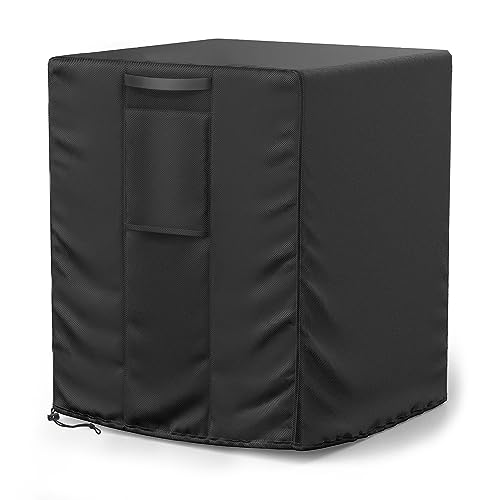
What Is a Central Air Conditioner? A Complete Homeowner Guide
Understand how central air conditioning works, what components make up the system, and what to evaluate before choosing one for your home.
A central air conditioner is a whole-home cooling system that conditions the air in every room connected to its ductwork. Instead of cooling a single room, it uses one outdoor condenser unit paired with an indoor air handler to distribute cooled air through ducts. For homeowners researching a major cooling upgrade, understanding the fundamentals of a central system is the first step toward making a well-informed decision.
This guide explains what a central air conditioner is, how it works, the main components involved, efficiency ratings that matter, sizing considerations, and practical factors to weigh before you commit. By the end, you should have a clear picture of whether central air conditioning fits your home and what to look for when evaluating systems.
In This Guide
What Is a Central Air Conditioner?
A central air conditioner, often simply called central AC, is a cooling system that generates cold air in a single central location and then distributes it through a network of supply and return ducts. It is distinct from window units, portable units, and ductless mini-splits because the cooling is delivered to multiple rooms from one primary system.
Central systems are typically split into two main sections: an outdoor unit containing the condenser and compressor, and an indoor unit containing the evaporator coil and air handler. Refrigerant circulates between the two sections to move heat from inside your home to the outside. Because central systems rely on ductwork, they are usually integrated with a home's heating system, sharing the same distribution channels.
If you are still building your base vocabulary, it helps to first understand what air conditioning is in general and then compare it to related concepts like what HVAC stands for, which covers the broader heating, ventilation, and air conditioning framework.
Quick definition: A central air conditioner is a whole-home cooling system that uses an outdoor condenser, an indoor air handler, and ductwork to deliver cooled air to multiple rooms from one central unit.
How Central Air Conditioning Works
The cooling process in a central system follows the same refrigeration cycle used in nearly all air conditioners, but scaled up to serve an entire house. The cycle has four main stages:
- Absorption: Warm indoor air is drawn through return ducts and passes over the evaporator coil. The refrigerant inside the coil absorbs heat from the air, cooling it in the process.
- Compression: The refrigerant, now carrying heat, travels to the outdoor compressor, which raises its pressure and temperature.
- Release: In the outdoor condenser coil, the refrigerant releases heat to the outside air and condenses back into a liquid.
- Expansion: The refrigerant passes through an expansion valve, dropping in pressure and temperature, and returns to the evaporator coil to repeat the cycle.
Meanwhile, the air handler's blower pushes the newly cooled air through supply ducts into each connected room. A thermostat monitors indoor temperature and signals the system to cycle on or off as needed. This coordinated process is what allows one system to cool an entire home consistently.
Understanding the refrigeration cycle is useful when evaluating system performance, troubleshooting problems, and interpreting technician explanations. The same principles appear in the broader explanation of what Freon is and how refrigerant types have evolved over time.
Key Components of a Central Air Conditioner
A central air conditioning system is made up of several interconnected components. Knowing what each part does helps you understand maintenance needs and diagnose symptoms when something goes wrong.
| Component | Location | Primary Function |
|---|---|---|
| Condenser Unit | Outdoors | Releases heat from the refrigerant to the outside air |
| Compressor | Inside condenser | Circulates and pressurizes refrigerant through the system |
| Evaporator Coil | Indoors, in air handler | Absorbs heat from indoor air to cool it |
| Air Handler / Blower | Indoors | Moves conditioned air through the ductwork |
| Ductwork | Throughout the home | Distributes cooled air and returns warm air |
| Thermostat | Living area | Controls system operation based on temperature settings |
| Expansion Valve | Near evaporator coil | Regulates refrigerant flow and pressure |
The indoor air handler is sometimes confused with a furnace or with other air-moving equipment. If you want to clarify the difference, the explanation of what an air handler unit is covers how it relates to the rest of an HVAC system. In many homes, the air handler and evaporator coil are housed together in a single cabinet.
Ductwork and Air Distribution
Ductwork is often the most overlooked part of a central system, yet it has a major impact on comfort and energy use. Leaky or poorly insulated ducts can lose a significant portion of cooled air before it reaches living spaces. Well-sealed, properly sized ducts ensure that the cooling produced by the system actually reaches the rooms it is meant to serve.
Homes without existing ductwork may need an alternative approach. In those cases, whole-house air conditioning systems can be explored to compare ducted and ductless strategies before committing to central air.
Efficiency Ratings You Should Understand
Efficiency is one of the most important factors when comparing central air conditioners. Higher efficiency generally means the system uses less energy to deliver the same cooling output, which matters over the life of the equipment.
SEER and SEER2 Ratings
SEER stands for Seasonal Energy Efficiency Ratio. It measures cooling output over a typical cooling season relative to energy input. Newer systems are rated using SEER2, which reflects updated testing procedures. A higher rating indicates greater efficiency. To understand the rating system in depth, see the full explanation of what SEER rating is.
When deciding which efficiency level fits your situation, the guide on what SEER rating you should buy walks through how climate, usage patterns, and long-term planning affect the decision.
EER and HSPF
EER (Energy Efficiency Ratio) measures efficiency at a specific test condition and is often used alongside SEER. HSPF (Heating Seasonal Performance Factor) applies to systems that also provide heating, such as heat pumps. If your central system includes a heat pump, both ratings are worth reviewing.
Inverter vs Non-Inverter Technology
Modern central systems may use inverter-driven compressors that modulate speed rather than cycling fully on and off. The comparison of non-inverter and inverter AC explains the trade-offs in comfort, noise, and efficiency between the two approaches.
Sizing and Load Calculation
Correct sizing is essential for comfort and efficiency. An undersized central air conditioner struggles to keep up during peak heat, while an oversized system cools too quickly without removing enough humidity, leading to a clammy feeling and frequent cycling.
Professional sizing relies on a Manual J load calculation, which considers square footage, insulation, window area, orientation, occupancy, and local climate. Avoid selecting a system purely based on a simple rule of thumb; a proper calculation prevents both short cycling and inadequate cooling.
Humidity control is closely tied to sizing and runtime. If you notice persistent clamminess indoors, understanding what a good humidity level for a home is can help you determine whether the issue is sizing, runtime, or a separate dehumidification need.
Sizing tip: A central air conditioner that is slightly over-sized may feel cold but leave the air humid. Prioritize a load calculation over guesswork, and ask your contractor to show the calculation results.
Advantages and Limitations of Central Air Conditioning
Advantages
- Whole-home comfort: One system cools every room connected to the ducts, maintaining consistent temperatures.
- Integrated filtration: Central systems can use high-quality filters that capture dust, pollen, and other particles across the whole home.
- Aesthetic discretion: Unlike window or portable units, central systems do not occupy windows or floor space.
- Quieter operation: The main noise-producing components are located outdoors.
- Compatibility with heating: Many central systems share ductwork with a furnace or heat pump for year-round climate control.
Limitations
- Requires ductwork: Homes without ducts face additional planning and installation considerations.
- Installation complexity: Central systems involve refrigerant lines, electrical work, and often permits.
- Single-zone control by default: Standard systems cool the whole house together unless zoning dampers are added.
- Duct losses: Poorly sealed or insulated ducts can reduce efficiency and comfort.
For homes where ductwork is impractical, alternatives such as whole-house ductless heating and cooling systems may provide comparable comfort without the duct requirement.
Central AC vs Other Cooling Options
Central air conditioning is one option among several. The right choice depends on your home's structure, budget for installation, and how many rooms need cooling.
| System Type | Best For | Key Consideration |
|---|---|---|
| Central AC | Whole-home cooling with existing ducts | Requires ductwork and professional installation |
| Ductless Mini-Split | Homes without ducts or room-by-room zoning | Multiple indoor heads may be needed for full coverage |
| Window AC | Single rooms, renters, temporary needs | Cools one room and occupies a window |
| Portable AC | Flexible spot cooling, renters | Requires venting and floor space; capacity varies |
| Through-the-Wall AC | Rooms with a suitable wall opening | Permanent installation; less window obstruction |
For a closer look at wall-mounted options, the overview of what a through-the-wall air conditioner is explains how these systems compare to central and window units. For portable options, the guide on what a good portable air conditioner is covers capacity and venting considerations.
Maintenance and Longevity
Regular maintenance extends the life of a central air conditioner and helps it run efficiently. Key tasks include:
- Filter replacement: Check the filter monthly and replace it according to the manufacturer's guidance, especially during heavy cooling seasons. See when to replace an AC filter for timing guidance.
- Coil cleaning: Keep both evaporator and condenser coils free of dust and debris to maintain heat transfer.
- Duct inspection: Periodically check for leaks, disconnected sections, and deteriorated insulation.
- Professional service: Schedule annual inspections to check refrigerant charge, electrical connections, and moving parts.
- Thermostat management: Use programmable or smart settings to reduce unnecessary runtime.
Knowing when to call an HVAC technician helps you distinguish between tasks you can handle yourself and issues that require professional attention. If cooling performance drops suddenly, the article on why central air is not cooling outlines common causes and next steps.
Indoor humidity also affects how comfortable a central system feels. If humidity stays elevated despite normal runtime, review what indoor humidity should be and consider whether supplemental dehumidification is needed.
Frequently Asked Questions
How long does a central air conditioner last?
With proper maintenance, a central air conditioner typically lasts well over a decade. Longevity depends on usage, climate, installation quality, and regular servicing.
Can a central air conditioner also heat my home?
Some central systems pair with a heat pump that provides both cooling and heating. Others work alongside a separate furnace. The configuration depends on the equipment installed.
Do I need ductwork to install central air?
Yes, a conventional central air conditioner requires ductwork. Homes without ducts may consider ductless alternatives or evaluate whether adding ducts is practical.
How often should I replace the air filter?
Most manufacturers recommend checking the filter monthly and replacing it every one to three months, depending on filter type, pets, and local air quality.
Is a higher SEER rating always better?
Higher ratings indicate greater efficiency, but the right choice depends on climate, usage, and the difference in equipment tiers. A qualified contractor can help match efficiency to your situation.
Why does my central AC feel cold but the house still feels humid?
This often indicates the system is oversized or running in short cycles that do not remove enough moisture. Reviewing humidity expectations and sizing calculations can help identify the cause.
Final thought: A central air conditioner is a long-term investment in whole-home comfort. Focus on proper sizing, quality installation, and consistent maintenance rather than shortcuts. Understanding how the system works puts you in a stronger position to ask the right questions and make a confident decision.