What Should the Humidity Level Be in My Home?
Learn the ideal indoor humidity range to protect your health, home, and HVAC system. Discover when to use a dehumidifier or your AC to maintain perfect balance.
Quick Answer: The Ideal Indoor Humidity Range
The ideal indoor humidity level for your home is between 30% and 50% relative humidity (RH). Most experts agree that 40%–50% is the sweet spot for comfort, health, and energy efficiency. Keeping humidity within this range helps prevent mold, dust mites, and structural damage, while also making your home feel cooler in summer and warmer in winter.
🔹 Why it matters: When humidity stays below 30%, you may experience dry skin, static electricity, and respiratory irritation. Above 60%, you risk mold growth, musty odors, and increased allergens. Your air conditioner and heating system work harder when humidity is out of balance.
What Affects Your Home's Humidity?
Several factors influence indoor humidity levels, from daily activities to your home's construction. Understanding these helps you take corrective action.
- Weather & Climate: Humid outdoor air seeps in through cracks, windows, and doors. In dry climates, indoor air can become too dry during winter.
- Daily Activities: Cooking, showering, washing dishes, and even breathing release moisture into the air. A family of four can add up to 4 gallons of water vapor daily.
- Home Insulation & Sealing: Poorly insulated homes allow moisture to enter and condense on cold surfaces, raising humidity levels.
- HVAC System: An oversized or poorly maintained air conditioner may not run long enough to dehumidify properly. Conversely, a properly sized AC naturally removes humidity as it cools.
If you suspect your AC isn't managing humidity well, consider what to do if humidity is too high in the house or check if your AC is not blowing cold air, which can also affect dehumidification.
Health & Comfort: Why 30–50% Matters
✅ Below 30% (Too Dry)
- Dry skin, itchy eyes, irritated throat
- Static electricity and cracked wood furniture
- Increased risk of respiratory infections
- Higher heating costs (dry air feels colder)
✅ Above 60% (Too Humid)
- Mold and mildew growth on walls and ceilings
- Dust mites and allergens thrive
- Musty odors and water stains
- Discomfort, sticky skin, poor sleep
Maintaining the right humidity also protects your home's structure. Excess moisture can warp floors and peel paint, while overly dry air can cause cracks in drywall and wood.
If you're noticing signs of high humidity, such as condensation on windows or a musty smell, you may need to consider a dehumidifier. For persistent issues, check if your AC is leaking water, which could indicate a drainage problem.
How to Measure Humidity in Your Home
You don't need to guess — a simple hygrometer (humidity monitor) gives you an accurate reading. Many smart thermostats and AC units now include built-in humidity sensors.
- Standalone hygrometer: Affordable and portable, place it in your living room, bedroom, or basement for spot checks.
- Smart thermostat: Devices like Nest or Ecobee display humidity levels and can trigger your AC or fan to control moisture.
- AC remote or app: Many modern inverter AC units show humidity levels and offer dry mode to reduce excess moisture.
For a deeper understanding of how your AC system interacts with humidity, read about how an air conditioner works and the role of the refrigerant cycle in dehumidification.
💡 Pro Tip: Place your hygrometer away from windows, vents, and kitchens for the most accurate reading. Check at different times of day, as humidity can fluctuate significantly.
How to Control Humidity: AC, Dehumidifier, or Ventilation?
Depending on your situation, you have several effective options to bring humidity back to the ideal range.
1. Use Your Air Conditioner (Dry Mode)
Most modern AC units have a "Dry Mode" (or dehumidify mode) that runs the fan and compressor at low speed to remove moisture without overcooling the room. This is perfect for humid summer days when you don't need intense cooling.
If your AC isn't removing enough humidity, it may be oversized — it cools the room too quickly without running long enough to dehumidify. In that case, consider upgrading to an inverter AC or a variable-speed system that runs longer at lower capacity.
2. Dehumidifier (Standalone or Whole-Home)
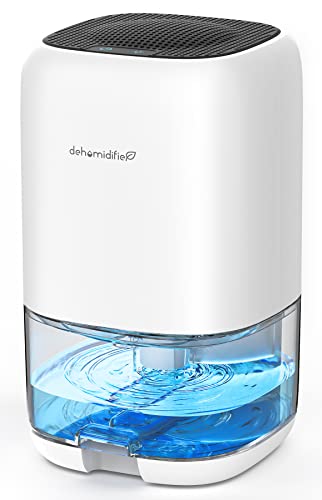
A dedicated dehumidifier is the most direct solution for high humidity. Portable units work well for basements, bathrooms, or single rooms. For whole-home humidity control, a whole-house dehumidifier integrates with your HVAC system.
Learn more about how to lower humidity in your house, including tips on using dehumidifiers effectively.
3. Improve Ventilation
Sometimes, simply opening windows (when outdoor humidity is low) or using exhaust fans in kitchens and bathrooms can make a big difference. Also, check that your home's air ducts are sealed properly to prevent moisture intrusion. Explore ductwork design and how to seal air ducts for long-term efficiency.
Seasonal Humidity Guide
Your ideal humidity target may shift slightly with the seasons.
- Summer: Aim for 40–50% RH. Your AC will naturally remove moisture, but if it's still sticky, use dry mode or a dehumidifier.
- Winter: Indoor air tends to be drier. Aim for 30–40% RH to prevent window condensation and static electricity. If you have a humidifier, set it accordingly.
- Transitional seasons (Spring/Fall): Keep between 35–45% RH. This is when outdoor humidity fluctuates, so monitor closely.
For more detailed seasonal maintenance, check our AC maintenance guide and energy-saving tips to keep your system running efficiently year-round.
When to Call an HVAC Professional
If you've tried adjusting your AC, using a dehumidifier, and improving ventilation but still experience high or low humidity, it's time to call a professional. They can:
- Check if your AC system is correctly sized and functioning
- Inspect for refrigerant leaks that affect dehumidification
- Evaluate ductwork for leaks or poor insulation
- Recommend whole-home dehumidification or humidification systems
Use our guide on how to find an HVAC contractor near you and understand installation costs if you need a new system.
Final Takeaway: Keep Your Home in the Goldilocks Zone
Maintaining indoor humidity between 30% and 50% is not just about comfort — it's about protecting your health, your home, and your HVAC investment. Use a hygrometer to monitor levels, leverage your AC's dry mode, and don't hesitate to use a dehumidifier when needed.
Remember, a well-balanced home feels cooler in summer, warmer in winter, and saves energy year-round. For more in-depth guidance, explore our AC shopping guide and FAQ page for answers to common questions.