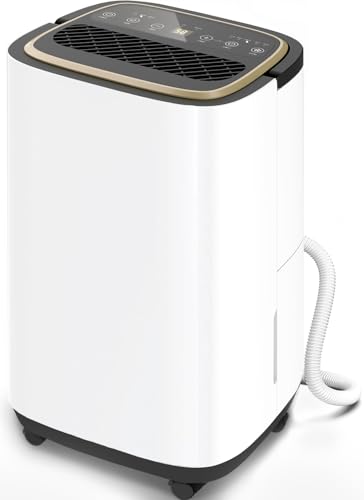
What to Do If Humidity Is Too High in House
Excess moisture can make your home feel sticky, cause mold growth, and damage your property. Learn how to identify and fix high indoor humidity effectively.
High indoor humidity is more than just uncomfortable—it can lead to unhealthy moisture levels, condensation on windows, musty odors, and even structural damage. The ideal indoor humidity range is 30%–50%. If your home consistently exceeds 60%, it’s time to take action. This guide covers practical, long-term solutions to bring humidity under control.
Signs Your House Has Too Much Humidity
- Condensation on windows, doors, or walls.
- Musty odors or mold growth in corners, bathrooms, or basements.
- Peeling paint or bubbling wallpaper.
- Warped wood on furniture, floors, or window frames.
- Sticky, clammy air even when the AC is running.
- Allergy flare-ups caused by dust mites and mold spores.
Immediate Steps to Reduce Indoor Humidity
1. Use Your AC’s “Dry” Mode
Many modern air conditioners have a dehumidifying or “dry” mode that removes moisture without overcooling. This is often the quickest way to pull excess humidity from the air.
2. Run a Dehumidifier
A standalone dehumidifier is the most effective tool for high-humidity areas like basements or crawl spaces. Choose a unit with a built-in humidistat for automatic control.
3. Improve Ventilation
Use exhaust fans in kitchens and bathrooms. Open windows when weather permits. Consider a smart ventilation system that adjusts airflow based on indoor humidity.
4. Check Your AC Sizing
An oversized air conditioner cools the home too quickly without running long enough to dehumidify. If your AC short-cycles, it may be too large for your space.
5. Fix Leaks and Seal Ducts
Moisture from plumbing leaks or unsealed ductwork can add significant humidity. Inspect for leaks and seal ducts to prevent humid air infiltration.
6. Use a Heat Pump or Inverter AC
Inverter and variable-speed AC units run longer at lower speeds, providing better moisture removal. Compare inverter vs non-inverter AC for superior humidity control.
Why Your AC Might Not Be Dehumidifying Enough
Air conditioners remove humidity by condensing moisture on the evaporator coil. However, if your system is oversized, it cools the room quickly and shuts off before adequate moisture extraction occurs. This is a common issue in homes with improperly sized AC units. Additionally, dirty coils, low refrigerant, or a faulty thermostat can reduce dehumidification.
If you notice water leaking from your AC or the system running constantly without lowering humidity, it may be time for professional maintenance. For homes with persistent humidity, upgrading to a mini-split system with inverter technology can provide better moisture control and energy savings.
Dehumidifier vs. Air Conditioner: Which to Use?
While both remove moisture, their primary functions differ. An air conditioner cools and dehumidifies as a secondary benefit, but it’s not designed to operate in cool weather. A dehumidifier works independently of temperature, making it ideal for basements, garages, or humid climates where you don’t need cooling.
Long-Term Solutions for Humidity Control
- Upgrade to a variable-speed AC – these run longer and remove more moisture.
- Install a whole-house dehumidifier – connects to your HVAC system for automated control.
- Improve insulation – reduce condensation on cold surfaces.
- Use exhaust fans in kitchens, bathrooms, and laundry rooms.
- Maintain your AC – clean coils, change filters, and check refrigerant levels annually.
- Monitor humidity with a hygrometer – keep levels between 30% and 50%.
When to Call an HVAC Professional
If you’ve tried the above steps and humidity remains high, there may be an underlying issue with your HVAC system. Common culprits include refrigerant leaks, undersized ductwork, or a failing compressor. An experienced HVAC contractor can perform a load calculation and recommend the right AC size and configuration for your home. For urgent situations, consider installing a portable dehumidifier or a window AC with dehumidification as a temporary fix.
Quick FAQ: High Humidity in House
Q: What causes high humidity in a house?
Common causes include poor ventilation, oversized AC, leaks, cooking, showering, and outdoor humidity entering through cracks or open windows.
Q: Can a dirty AC filter cause high humidity?
Yes. A clogged filter reduces airflow, causing the evaporator coil to freeze or not dehumidify effectively. Replace filters every 1–3 months.
Q: How can I lower humidity without a dehumidifier?
Use your AC’s dry mode, run exhaust fans, take shorter showers, cover pots while cooking, and use moisture-absorbing products like silica gel or rock salt.
Ready to take control of your home’s humidity? Explore the best dehumidifiers, AC units, and smart solutions below.