What Is a Good Humidity Level for a Home? The Complete Comfort Guide
Stop guessing about sticky air or dry sinuses. Discover the exact humidity range for a healthier, more comfortable, and energy-efficient home.
FIND THE IDEAL LEVELWhy Humidity Matters: Humidity directly impacts your health, your home's structure, and your air conditioner's efficiency. Too high, and you risk mold and dust mites. Too low, and you'll battle dry skin, irritated sinuses, and cracked wood furniture. The goal is a precise balance.
The Magic Number: 30% to 50% Relative Humidity
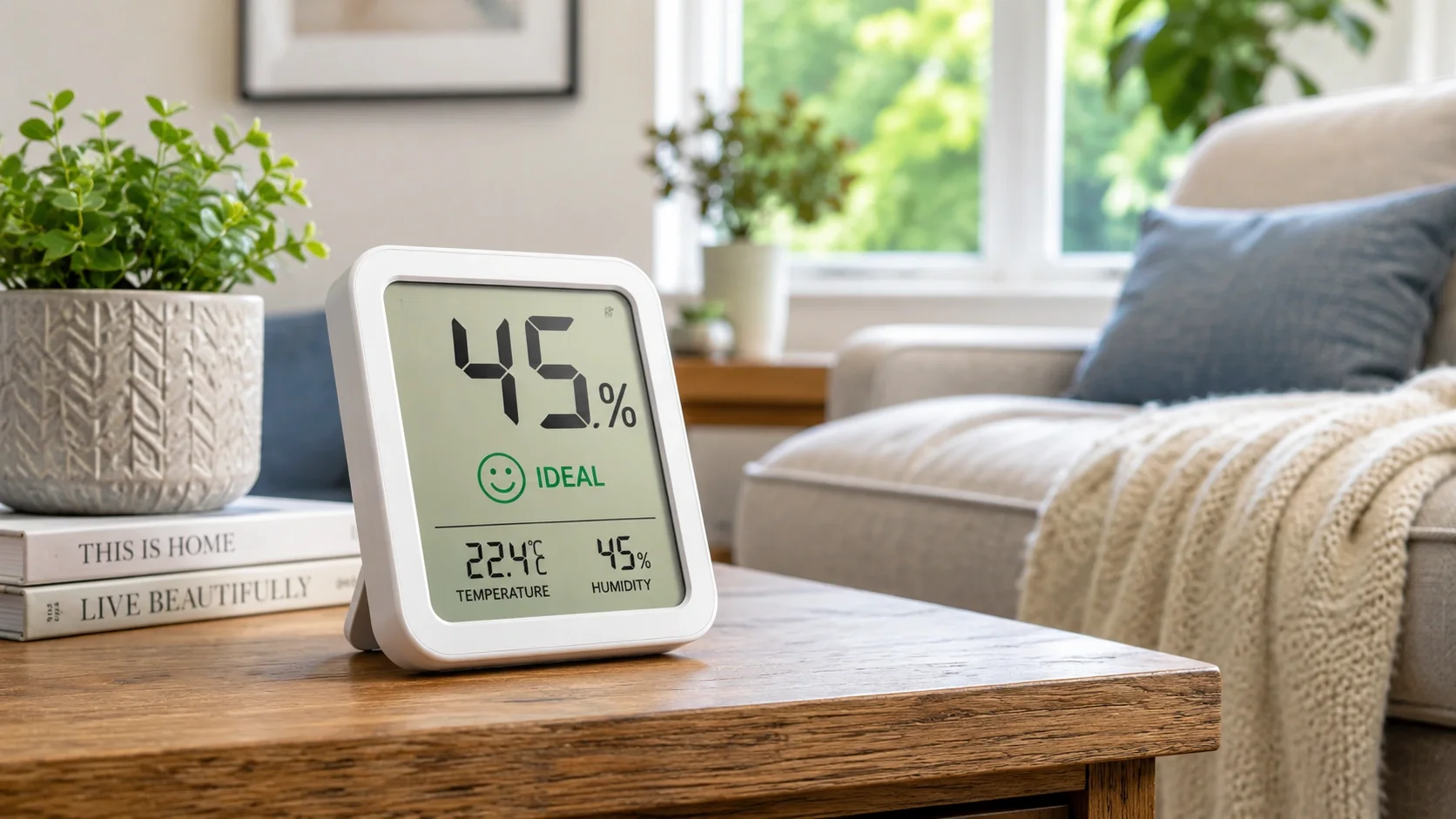
According to the Environmental Protection Agency (EPA) and the American Society of Heating, Refrigerating and Air Conditioning Engineers (ASHRAE), the ideal indoor relative humidity is between 30% and 50%. This range is the sweet spot where biological contaminants like mold and bacteria struggle to grow, and your body's natural cooling system (perspiration) works most efficiently. Within this zone, your home feels cooler in the summer and warmer in the winter, which can have a direct impact on your electricity bill.
Seasonal Adjustments for Maximum Comfort
While 30-50% is the annual rule, you can fine-tune this based on the outside temperature to prevent condensation and save on heating costs. This practice aligns with advice in our seasonal AC checklist.
☀️ Summer Setting: 40% - 50%
In warm weather, aim for the higher end of the scale. A humidity level below 40% in summer can feel unnecessarily cold, forcing you to over-cool your home. A properly sized air conditioner is your best dehumidifier during these months.
❄️ Winter Setting: 30% - 40%
When temperatures drop, keep humidity lower to prevent condensation from forming on your windows and inside your walls, which can lead to mold. If you're unsure what the exact setting should be in colder months, our guide on winter humidity levels explains it in detail.
Warning Signs Your Home's Humidity Is Out of Balance
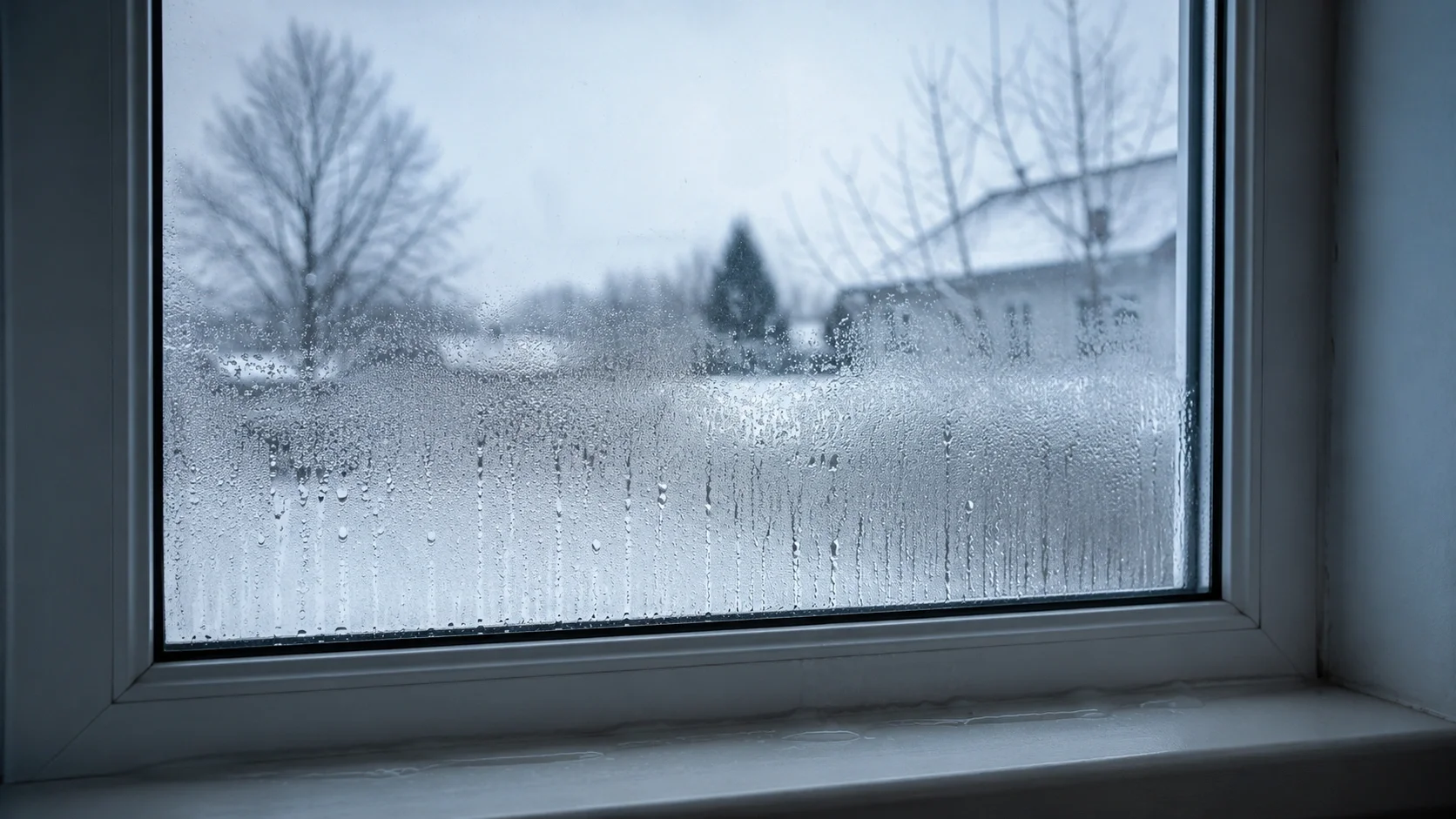
Your body and your home give you clear signals when the moisture level is off. Ignoring these can lead to structural damage and health problems. Here’s how to diagnose your air before it becomes a major issue like an AC not cooling properly due to excessive moisture load.
💧 Humidity Too High (>60%)
- ✅ Sticky or "muggy" feeling
- ✅ Musty odors in basements or closets
- ✅ Visible mold spots on walls or ceilings
- ✅ Water stains or condensation on windows
- ✅ Increased allergy symptoms
🏜️ Humidity Too Low (<30%)
- ✅ Dry, itchy skin and chapped lips
- ✅ Frequent static electricity shocks
- ✅ Cracking hardwood floors or furniture
- ✅ Persistent sore throat or dry cough
- ✅ Peeling wallpaper
If you notice musty smells or a sticky feeling, your air conditioner might be short-cycling. This is a common issue with oversized AC units, which cool the air so quickly that they never run long enough to extract the humidity.
How to Achieve and Maintain the Perfect Level
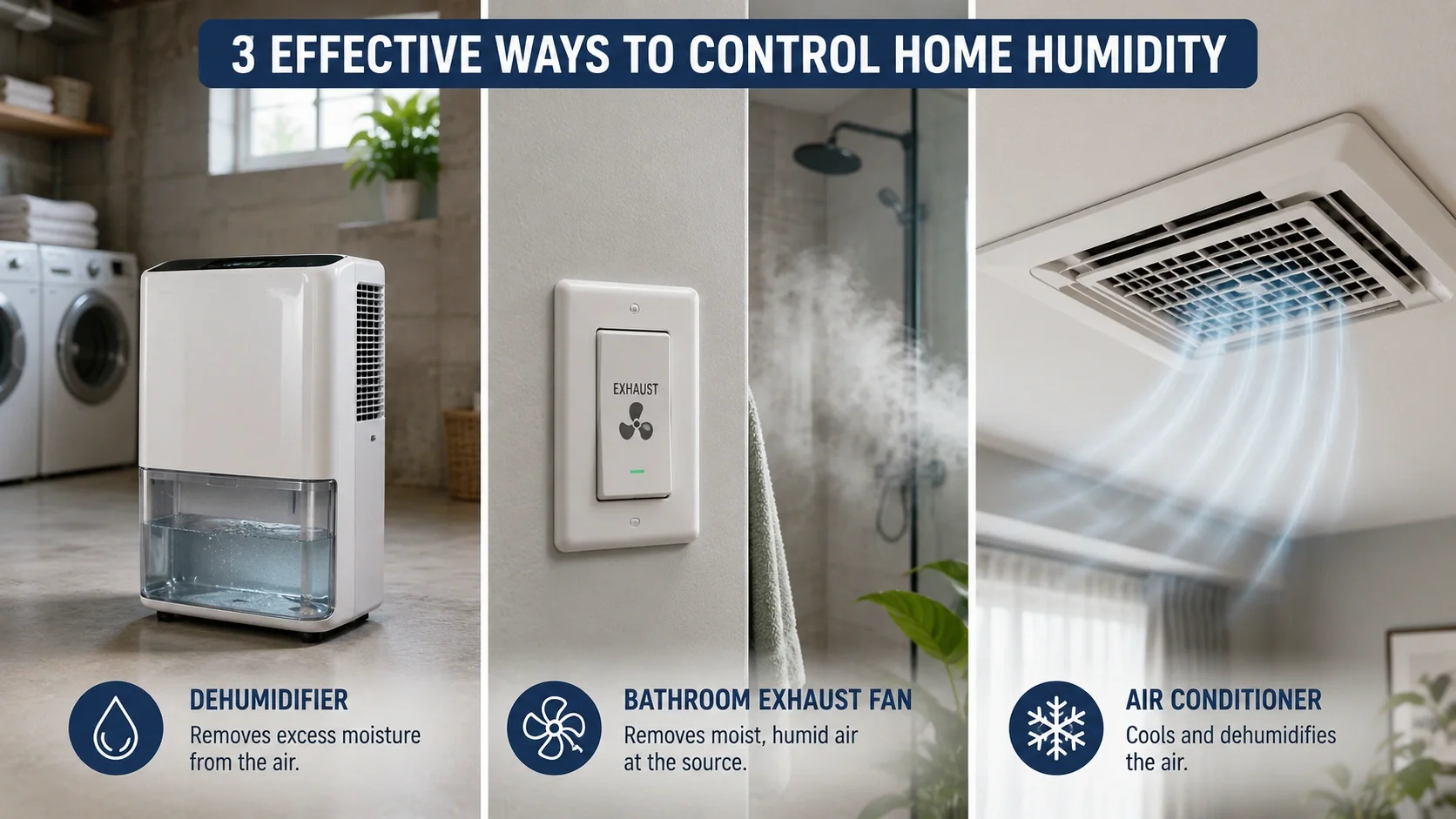
Balancing indoor moisture isn't just about comfort; it's about protecting your investment. A well-maintained system will also prevent expensive repairs, such as needing to fix an AC leaking water caused by a clogged condensate drain line struggling to handle excess moisture.
To Reduce High Humidity:
Your air conditioner is a natural dehumidifier, but it needs help when moisture levels spike. Here’s a comprehensive approach to how to lower the humidity in your house:
- Upgrade to a Variable-Speed AC: A variable-speed air conditioner runs at lower speeds for longer periods, which is dramatically more effective at removing moisture than a single-stage unit that blasts cold air intermittently.
- Use Spot Ventilation: Always run exhaust fans in the bathroom during showers and in the kitchen while cooking. Make sure they vent to the outside, not into the attic. This is a key point in our attic AC guide regarding proper ventilation.
- Seal Air Leaks: Humid outdoor air often sneaks in through gaps around doors, windows, and ductwork. Learning how to seal air ducts and weatherstrip your home is a cost-effective first step.
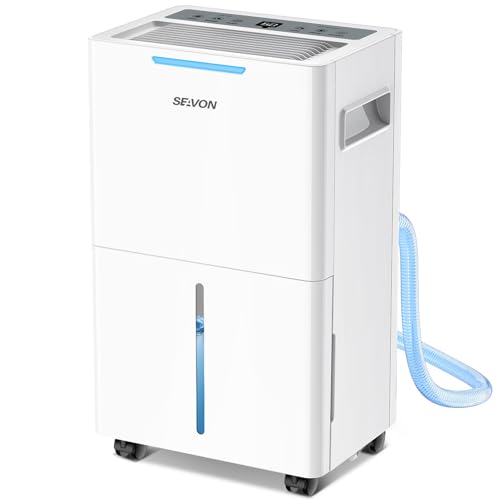
- Consider a Whole-Home Dehumidifier: If you live in a particularly muggy climate, integrating a dehumidifier with your ducted AC system provides consistent, hands-off control.
To Increase Low Humidity:
- Portable or Whole-Home Humidifiers: The most direct solution. A whole-home unit can be integrated into a central air conditioning system for uniform coverage.
- Houseplants: Certain indoor plants release moisture through transpiration, naturally adding a small amount of humidity to a room.
- Air-Dry Laundry: Placing a drying rack indoors allows evaporating water to humidify your air for free.
The Hidden Cost of Unbalanced Humidity

Ignoring your home's humidity level has a domino effect. For allergy sufferers, a damp environment is a breeding ground for dust mites, the number one indoor allergen. Conversely, dry air dries out the protective mucous membranes in your nose and throat, making you more susceptible to cold viruses and respiratory infections. Choosing an AC with an integrated air purifier can help capture some of these airborne irritants, but it's not a substitute for controlling the moisture source.
Your home's structure is also at risk. Excessive moisture is the leading cause of peeling paint, rotting window frames, and warped wooden floors. It can also condense inside your walls, leading to unseen mold that damages your insulation. A smart Wi-Fi-enabled AC or thermostat can often monitor indoor humidity and alert you to dangerous levels before they cause lasting damage.