
Quick Answer: For most homeowners, the safest and most legal way to "buy" freon is to hire a licensed HVAC technician. Due to environmental regulations, purchasing refrigerant directly is restricted, and handling it requires special certification. This guide explains why, the legal pathways, and how to navigate this process responsibly.
Finding a solution for a warm home can be stressful. If you've diagnosed your system and suspect it needs refrigerant, often referred to generically as "freon," you might be searching online to purchase it yourself. This guide will clarify the process, explain the regulations, and help you make the best decision for your home and the environment. The most common refrigerants in modern AC units are R-410A and its newer alternatives, not the older R-22 (actual Freon).
Why You Can't Just Buy Freon at a Store
The production and sale of refrigerants are strictly regulated to protect the ozone layer and reduce greenhouse gas emissions. These are the key regulations to understand:
⚠️ EPA Regulations: The Environmental Protection Agency (EPA) mandates that anyone who handles refrigerants must be Section 608 certified. This means technicians must pass an exam to demonstrate knowledge of safe handling, environmental impact, and legal requirements. It is illegal for uncertified individuals to purchase or handle refrigerants.
Restricted Sale
Retailers like hardware stores or online marketplaces are prohibited from selling refrigerants directly to the general public. You won't find them on the same shelf as air filters or paint.
Certification Required
To purchase refrigerant, you must present a valid EPA Section 608 certification card to a licensed HVAC supply house. This ensures only trained professionals can buy and use these substances.
Environmental Impact
Refrigerants deplete the ozone layer or contribute to global warming if released. Proper recovery, recycling, and reclamation by certified technicians are critical to minimizing environmental harm.
Your Legal Options for Getting Refrigerant
While you can't buy a can of refrigerant yourself, there are several legal and responsible pathways to get your AC system recharged. Each involves a licensed professional to ensure safety and compliance.
- Hire a Licensed HVAC Technician: This is the most common and recommended route. The technician will diagnose the system, identify the leak, repair it, and then recharge it with the correct refrigerant. They have the necessary equipment, certification, and access to supply houses.
- Request a Leak Repair and Recharge: Simply adding refrigerant without fixing the underlying leak is wasteful and not a permanent solution. A reputable technician will find and fix the leak before recharging your system. This is a crucial step in proper AC maintenance.
- Purchase a Refrigerant That Is Legal for Consumer Use: Some alternative refrigerants, like certain hydrocarbon blends (e.g., propane-based), are available to consumers for specific uses. However, they are not drop-in replacements for most home AC units and must be used with extreme caution. Always consult a professional before considering these options.
- Buy a Used or Reclaimed Cylinder from a Certified Professional: If you are a certified technician, you can purchase reclaimed refrigerant from a licensed supplier. This is a sustainable option where old refrigerant is cleaned to new standards.
The Process of Recharging Your AC Unit
Understanding what a professional does helps you make informed decisions and avoid scams. Here's a typical refrigerant service process:
1. Diagnosis
The technician uses gauges and thermometers to check pressures and temperatures. They will also inspect for signs of leaks, like oil spots or ice buildup on the coil. If your unit is not cooling, this is often the first step.
2. Leak Detection
Using electronic leak detectors, UV dye, or nitrogen pressure tests, the technician locates the leak. Fixing the leak is essential; otherwise, the new refrigerant will escape.
3. System Evacuation
Before adding new refrigerant, the system must be evacuated with a vacuum pump to remove air and moisture. This prevents damage and ensures efficiency.
4. Recharge
The technician adds the precise amount of refrigerant specified by the manufacturer. They monitor pressures and temperatures to ensure the system is operating correctly.
💡 Pro Tip: If your system is old and uses R-22 (actual Freon), which is being phased out, consider upgrading to a modern, energy-efficient unit. For those wondering where to buy R22 freon, the reality is that it's scarce, and a replacement unit is often the more reliable long-term solution.
Frequently Asked Questions
Can I buy freon for my home AC unit online?
No, it is illegal for online retailers to sell refrigerants to uncertified individuals. Any website claiming to sell refrigerant to consumers without certification is likely operating illegally and may sell counterfeit or unsafe products.
What is the difference between freon and R-410A?
"Freon" is a trademarked name for a specific type of refrigerant called R-22, which is being phased out due to its ozone-depleting properties. R-410A is a common, more environmentally friendly replacement found in most modern systems.
How much does a refill usually involve?
The process involves a diagnostic check, leak repair (if needed), system evacuation, and a precise recharge. The final service can vary in scope depending on the complexity of the leak and the type of refrigerant required.
Can I just add refrigerant to my system every summer?
No. An AC system is a sealed unit and does not "consume" refrigerant. If it's low, there is a leak. Adding refrigerant without repairing the leak is a temporary and environmentally harmful fix that will not solve the underlying problem.
Where can I find a qualified HVAC technician?
Look for technicians with NATE (North American Technician Excellence) certification and EPA 608 certification. Ask for referrals from friends or family, and check online reviews. For more related questions, you might find our guide on buying freon for a central air unit helpful.
Ready to Diagnose Your AC Problem?
If your AC is not cooling, it may be low on refrigerant. Learn more about common issues and solutions.
Explore Troubleshooting GuidesFinal Thoughts: Safety, Legality, and Efficiency
The question "where can I buy freon for my home AC unit" reveals a desire to solve a problem efficiently. However, the legal and environmental responsibilities mean that the safest and most effective path is through a certified professional. A licensed technician not only has access to the correct refrigerant but also the skills to diagnose and fix the root cause of the issue, ensuring your system runs safely, efficiently, and for years to come. Remember, regular AC maintenance can prevent many refrigerant-related issues before they start. If you're looking at upgrading your system entirely, exploring whole-house air conditioning systems might be a wise investment.
Recommended HVAC Tools & AC Units
⚠️ AFFILIATE DISCLOSURE: This website contains affiliate links. As an Amazon Associate, we earn from qualifying purchases. If you make a purchase through these links, we may receive a small commission at no additional cost to you. Read our full affiliate policy.
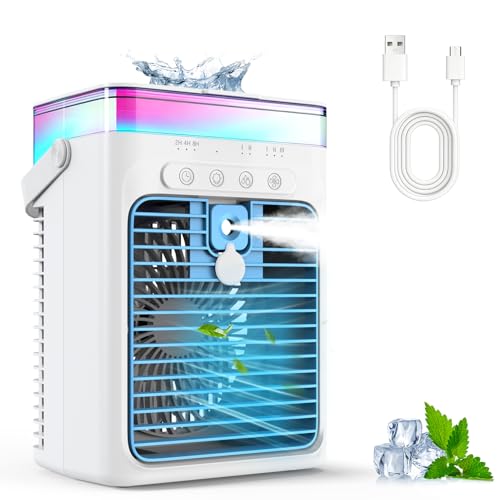
Portable Air Conditioner, 3-in-1 Evaporative Air Cooler with 3 Speeds & 2 Mist Modes, 1000ml Personal Mini AC Unit, USB Powered Small Cooler with RGB Light & Timer for Bedroom Office Desk Car
Check price on Amazon