Whole House Air Conditioning Systems
Your complete guide to understanding, choosing, and maintaining central cooling systems that keep your entire home comfortable and energy-efficient.
Why this guide matters: A whole house air conditioning system is one of the largest home comfort investments you will make. Unlike single-room units, these systems are designed to cool every room evenly, improve indoor air quality, and work efficiently for years. This guide walks you through system types, sizing, efficiency standards, installation considerations, and maintenance so you can make a confident, well-informed decision.
What Is a Whole House Air Conditioning System?
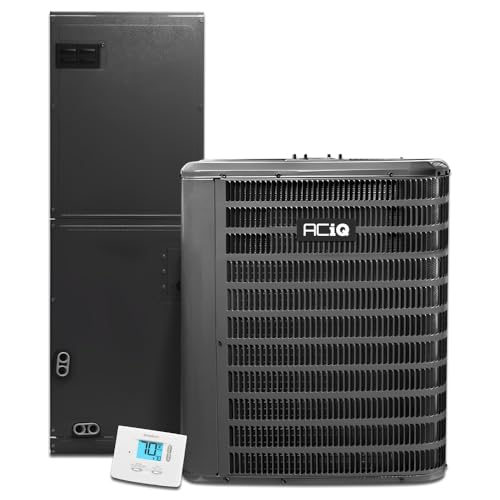
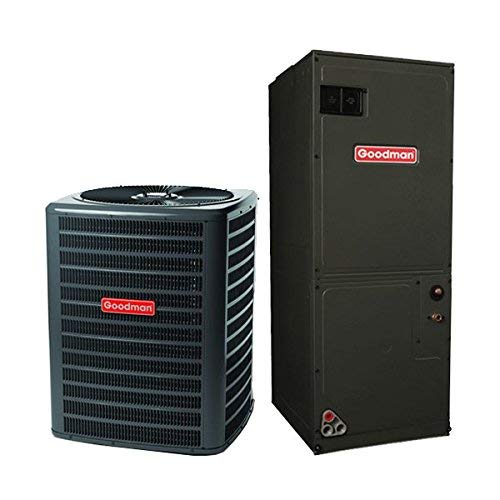
A whole house air conditioning system is a centralized cooling setup that conditions the air in every room of a home through a network of ducts and a single primary cooling unit. Instead of placing separate window or portable units in individual rooms, one system handles the entire living space. The most common configuration is a split system, where an outdoor condenser unit works with an indoor evaporator coil and air handler to circulate cooled air through ductwork.
Whole house systems are designed for consistent temperature control, quieter operation, and better filtration than room-by-room solutions. They integrate naturally with your home's heating system, often sharing the same ductwork and thermostat. For a broader overview of combining heating and cooling, see the guide on whole house heating and air conditioning systems.
Types of Whole House Air Conditioning Systems
There are several approaches to whole home cooling, each with distinct advantages depending on your home's construction, climate, and existing infrastructure.
Central Split Systems
The most common type. An outdoor condenser pairs with an indoor air handler and evaporator coil, distributing cooled air through ductwork. Best for homes with existing duct systems.
Packaged Units
All components — condenser, evaporator, and compressor — housed in a single outdoor cabinet. Ideal for homes without interior mechanical space or where ductwork runs through the attic or crawlspace.
Ductless Mini-Split Systems
Multiple indoor air handlers connected to a single outdoor unit. No ductwork required. Excellent for additions, older homes, and zoned comfort. Explore whole house ductless heating and cooling systems.
Heat Pump Systems
Provides both cooling and heating by reversing the refrigerant cycle. Highly efficient in moderate climates and a strong alternative to separate AC and furnace setups.
Central AC vs. Ductless Mini-Split: Which Is Right for You?
| Factor | Central Split System | Ductless Mini-Split |
|---|---|---|
| Ductwork Required | Yes — existing or new ducts | No ductwork needed |
| Best For | Homes with existing duct infrastructure | Older homes, additions, zoned cooling |
| Zoning Flexibility | Limited unless dampers are installed | Excellent — each room has its own handler |
| Installation Complexity | Higher — ductwork and refrigerant lines | Moderate — line sets through small wall openings |
| Energy Efficiency | Good to excellent with modern SEER2 ratings | Excellent — no duct losses |
| Aesthetic Impact | Minimal indoors; visible outdoor condenser | Visible wall-mounted indoor units |
How to Size a Whole House AC System
Proper sizing is the single most important factor in system performance and longevity. An undersized system runs continuously without reaching the target temperature, while an oversized system cools too quickly, cycles frequently, and fails to remove humidity effectively. Both scenarios lead to discomfort and accelerated wear.
Professional sizing uses a Manual J load calculation, which considers:
- Total conditioned square footage and ceiling height
- Climate zone and design temperature
- Insulation levels in walls, ceilings, and floors
- Window area, glazing type, and orientation
- Air infiltration and duct leakage rates
- Occupancy and internal heat gains from appliances
A rough rule of thumb is 20 BTU per square foot of living space, but this should only serve as a starting estimate. A qualified HVAC contractor should always perform a full load calculation before recommending a system size. For detailed sizing guidance, refer to how to size an air conditioner.
Understanding Efficiency Ratings: SEER, SEER2, and EER
Efficiency ratings directly affect energy consumption and long-term operating performance. The higher the rating, the more cooling the system delivers per unit of electricity.
- SEER (Seasonal Energy Efficiency Ratio): Measures cooling efficiency over an entire season. Older systems may rate around 10–13 SEER, while modern units start at 14–15 SEER.
- SEER2: The updated DOE standard that reflects real-world duct static pressure. Minimum requirements are typically 14.3 SEER2 for split systems in most U.S. regions.
- EER (Energy Efficiency Ratio): Measures efficiency at a specific peak temperature. Useful for understanding performance on the hottest days.
High-end tier systems achieve SEER2 ratings of 18 to 25 or more, which can substantially reduce energy use over the life of the system. For a deeper explanation, read what is a SEER rating and SEER vs SEER2 DOE standards.
Installation Considerations for Whole House Systems
Installation quality determines whether a system performs to its rated efficiency and how long it lasts. Key considerations include:
- Ductwork design: Ducts must be properly sized, sealed, and insulated. Leaky ducts can waste 20–30% of cooling energy. Learn about how to seal air ducts.
- Indoor and outdoor placement: The condenser needs clearance and airflow; the air handler should be centrally located to minimize duct runs. See AC indoor and outdoor placement.
- Electrical requirements: Most whole house systems require a dedicated 240V circuit. Verify your panel capacity with check home electrical panel.
- Permits and codes: Most jurisdictions require a permit for HVAC replacement or new installation. Read do I need a permit for AC.
- Contractor selection: Choose a licensed and insured HVAC professional. See how to choose an HVAC contractor.
Maintenance Tips for Long-Term Performance
Routine maintenance keeps your whole house system running efficiently and helps prevent unexpected breakdowns.
- Replace or clean air filters every 1–3 months. Clogged filters restrict airflow and strain the blower motor. Read when to replace AC filter.
- Schedule professional seasonal tune-ups. A technician should inspect refrigerant levels, clean coils, check electrical connections, and verify airflow each year.
- Keep the outdoor condenser clean. Remove debris, leaves, and grass clippings from around the unit. See clean condenser coils.
- Monitor for unusual symptoms. If the system is not cooling, leaking, or making noise, address it early. Read why my central air is not cooling.
- Use a seasonal checklist. Follow a seasonal AC checklist to stay on top of maintenance tasks.
Energy-Saving Strategies for Whole House Cooling
Even an efficient system benefits from smart usage habits and home improvements.
- Set the thermostat to an energy-conscious temperature when the home is empty; a programmable thermostat automates this.
- Seal air leaks around windows and doors to reduce cooling load.
- Use ceiling fans to allow a higher thermostat setting while maintaining comfort. Read use ceiling fan with AC.
- Improve attic insulation and consider radiant barriers in hot climates.
- Shade windows with blinds or exterior landscaping during peak sun hours.
- Consider a whole house dehumidifier if humidity is a persistent issue. See whole house dehumidifier.
Common Problems and When to Call a Professional
While filter changes and basic cleaning are DIY-friendly, many issues require licensed expertise:
- Refrigerant leaks: Low refrigerant is a symptom, not a cause. A technician must locate and repair the leak. Read refrigerant leak repair.
- Compressor failure: Often repairable, but sometimes replacement is more practical. See compressor replacement.
- Frozen coils: Caused by restricted airflow or low refrigerant. Read AC frozen coils solution.
- Electrical faults: Capacitors, contactors, and wiring issues should be handled by a professional.
- Persistent high humidity: May indicate oversized equipment or duct issues. See who to call for high humidity in house.
Frequently Asked Questions
How long does a whole house air conditioning system last?
A well-maintained system typically lasts 15 to 20 years. Regular tune-ups, proper sizing, and quality installation all contribute to longevity. Systems that are routinely neglected or incorrectly sized tend to fail sooner.
What SEER2 rating should I look for?
Current minimum standards require 14.3 SEER2 for split systems in most regions. Mid-range systems offer 15–17 SEER2, while high-end tier units reach 18–25+ SEER2. Higher ratings mean lower energy consumption over time.
How do I know what size system I need?
Only a professional Manual J load calculation can accurately determine the right size. It accounts for square footage, insulation, windows, climate, and occupancy. A simple BTU-per-square-foot estimate is a starting point, not a final answer.
Can a whole house system heat my home too?
Yes, if you choose a heat pump system. Heat pumps provide both cooling and heating by reversing the refrigerant cycle. They are highly efficient in moderate climates and eliminate the need for a separate furnace.
How often should I service my whole house AC?
Professional maintenance should be performed once per year, ideally in spring before cooling season begins. Homeowners should change or clean filters every 1–3 months depending on usage and indoor air quality conditions.
Ready to explore your options? Browse our curated selection of whole house air conditioning systems below and compare features that matter for your home.