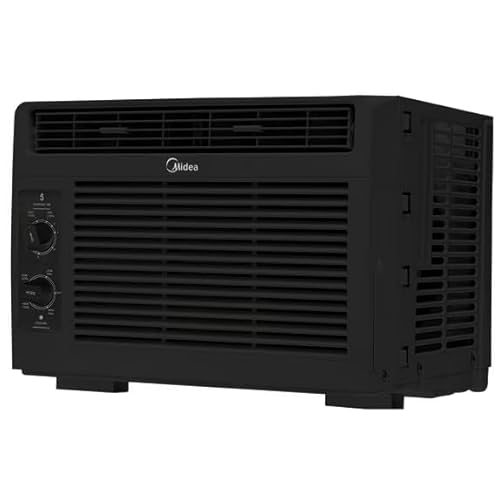
Window AC Unit 5000 BTU Energy Star: The Complete Guide
Everything you need to know about choosing, installing, and getting the most from a 5000 BTU Energy Star window air conditioner — the ideal cooling solution for small rooms and smart energy use.
Start Your ResearchWho this guide is for: If you already know you want a compact window air conditioner for a small space and are weighing your options before purchasing, this page is built for you. You will learn how 5000 BTU cooling capacity maps to real room sizes, why Energy Star certification matters for long-term electricity use, what installation really involves, and how to compare units across quality tiers without guesswork.
What Is a 5000 BTU Window AC Unit?
A 5000 BTU window air conditioner is a compact, single-room cooling appliance that mounts directly into a standard double-hung window. The 5000 BTU rating describes its cooling capacity — roughly the amount of heat energy it can remove from a room in one hour. This capacity class is purpose-built for small rooms up to about 150 square feet, making it one of the most common entry points into window cooling.
These units are popular for bedrooms, home offices, dorm rooms, studio apartments, and guest rooms. They typically run on standard 115V household current, draw a modest amount of power, and are designed to be installed and removed seasonally with basic tools. If you are still comparing capacity classes, the 5000–6000 BTU AC category is the natural starting point before narrowing down to a specific model.
Why Energy Star Certification Matters
Energy Star is a voluntary efficiency program backed by the U.S. Department of Energy and the EPA. A window AC earns the label only when it meets or exceeds strict efficiency thresholds for its capacity class. For a 5000 BTU unit, that means the appliance delivers more cooling per unit of electricity consumed than a non-certified equivalent.
In practical terms, an Energy Star window air conditioner is built around a more efficient compressor, better coil design, and tighter manufacturing tolerances. Over a full cooling season, that translates into measurably lower electricity consumption compared with an entry-level non-certified model. If you want to go deeper into how these ratings are calculated, our explainer on energy efficiency ratings (SEER, EER, HSPF) breaks down each metric.
Room Sizing: Is 5000 BTU Right for You?
Matching capacity to room size is the single most important decision you will make. An undersized unit runs continuously and never fully cools the space, while an oversized unit short-cycles, cools unevenly, and dehumidifies poorly. For a 5000 BTU window unit, the sweet spot is a room of roughly 100 to 150 square feet with standard ceiling height and average sun exposure.
| Room Size | Typical Space | Capacity Fit |
|---|---|---|
| Up to 100 sq ft | Small bedroom, dorm, walk-in closet office | 5000 BTU is well-matched |
| 100–150 sq ft | Standard bedroom, home office, studio | 5000 BTU is the ideal range |
| 150–250 sq ft | Large bedroom, small living area | Consider 8000–10000 BTU |
| 250+ sq ft | Open-plan rooms, multi-room spaces | Move to a higher capacity class |
Factors that push you toward the upper end of the 5000 BTU range include west-facing windows, poor insulation, kitchens, and rooms with multiple electronic heat sources. If your space sits between capacity tiers, our guide to 8000–10000 BTU air conditioners explains when stepping up makes sense.
Key Features to Compare Across Tiers
Not all 5000 BTU Energy Star units are built the same. The differences show up in build quality, control sophistication, noise levels, and convenience features. Below is a neutral, tier-based breakdown to help you compare without getting lost in specifications.
Entry-Level Energy Star Units
These models cover the fundamentals: mechanical or simple digital controls, two-way airflow, and a washable filter. They meet Energy Star requirements but keep features minimal. Build quality is functional, and noise levels are generally acceptable for a bedroom but not whisper-quiet. A solid choice if you need reliable cooling and efficiency without extra conveniences.
Mid-Range Energy Star Units
Mid-range models typically add remote control, programmable timers, sleep mode, and multi-speed fans. Compressor and fan assemblies are usually quieter than essential-tier units, and the cabinet finish is more durable. These are the most commonly recommended units for primary bedrooms and home offices where comfort and convenience matter alongside efficiency.
Premium & Smart-Enabled Units
Top-tier 5000 BTU Energy Star models add Wi-Fi connectivity, app-based scheduling, voice assistant compatibility, and advanced humidity control. They often feature quieter inverter-driven compressors and more refined airflow design. If you want smart-home integration, explore our guide to AC with Wi-Fi and smart control before deciding.
Installation: What to Expect
A 5000 BTU window unit is one of the simplest air conditioning installations available. Most models include a mounting bracket, side accordion panels, and a window sash lock. The unit slides into a double-hung window, the panels seal the sides, and the sash locks it in place. A slight downward tilt toward the outside ensures condensate drains properly.
Because these units are relatively light compared with larger window models, two people can usually handle installation without professional help. That said, if your window frame is irregular, you live above the ground floor, or you want a permanent through-wall solution, professional installation is worth considering. Learn more about the trade-offs in our through-the-wall AC overview.
Maintenance Tips for Long-Term Performance
- Clean or replace the air filter every two to four weeks during peak cooling season. A clogged filter forces the compressor to work harder and reduces efficiency.
- Inspect the outdoor side of the unit for debris, leaves, and insect nests that can block airflow across the condenser coil.
- Wipe down the front grille and cabinet with a damp cloth to prevent dust buildup from re-entering the room.
- Remove and store the unit seasonally if you live in a climate with cold winters — this protects the compressor and extends service life.
- Check the window seal each season to make sure hot outdoor air is not leaking around the accordion panels.
Routine maintenance is the difference between a unit that lasts several seasons and one that loses efficiency within a year or two. For a broader seasonal checklist, see our window AC efficiency rating guide.
Common Questions Before Buying
Is a 5000 BTU unit enough for a bedroom?
For most standard bedrooms up to 150 square feet, yes. If the room is larger, has west-facing windows, or sits above a garage, consider stepping up to the next capacity tier.
Can I use a 5000 BTU window AC in an apartment?
Yes, provided your lease allows window-mounted units. These models are light enough for standard window frames and run on ordinary household current, so they are a common apartment-friendly choice.
How loud is a 5000 BTU Energy Star window AC?
Noise levels vary by tier. Essential-tier units are audible but manageable; mid-range and high-end tier units typically run quieter thanks to improved fan and compressor design. If quiet operation is a priority, our guide to quiet air conditioners covers what to look for.
Does Energy Star certification really reduce electricity use?
Yes. Energy Star models must meet minimum efficiency thresholds that are stricter than baseline federal standards, so they consume less electricity for the same cooling output. The difference is most noticeable over a full season of regular use.
What if my room is slightly larger than 150 square feet?
You have two reasonable options: choose a 5000 BTU unit and accept slightly slower cooling, or step up to the next capacity class. Our comparison of 8000 BTU window air conditioners explains when the upgrade is worthwhile.
How to Make Your Final Decision
By this point you should have a clear picture of whether a 5000 BTU Energy Star window unit fits your space and priorities. The decision comes down to three practical filters: capacity match (is your room within roughly 150 square feet?), efficiency (does the unit carry the Energy Star label?), and feature fit (do you need remote control, smart scheduling, or quieter operation?).
Once those three boxes are checked, compare models within your preferred tier using the comparison framework above rather than chasing minor specification differences. The right unit for a small bedroom is rarely the same as the right unit for a home office, and matching the product to the use case is what delivers long-term satisfaction.
For a deeper look at how 5000 BTU cooling compares with other capacity classes, the 5000–6000 BTU AC guide and the 12000–14000 BTU category provide side-by-side context that helps you confirm you are shopping in the right segment.