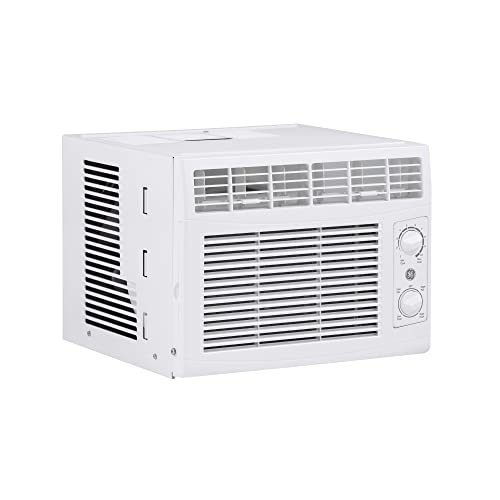
150 Sq Ft Window Air Conditioner: 115 Volt 5000 BTU Guide
Everything you need to know about choosing, installing, and using a 5,000 BTU 115V window air conditioner for rooms up to 150 square feet.
Quick Summary: A 5,000 BTU window air conditioner running on 115 volts is the standard choice for cooling a room up to 150 square feet. It plugs into a standard household outlet, installs in most double-hung windows, and delivers efficient spot cooling for bedrooms, home offices, dorm rooms, and small apartments. This guide explains sizing, electrical requirements, key features, installation, maintenance, and what to look for before you buy.
Why 5,000 BTU Is the Right Capacity for 150 Square Feet
Air conditioner capacity is measured in British Thermal Units (BTU), and the general rule of thumb is 20 BTU per square foot of living space. For a 150 square foot room, that works out to approximately 3,000 BTU as a baseline. However, real-world conditions such as sun exposure, ceiling height, occupant count, and kitchen appliances require additional capacity. A 5,000 BTU unit provides a comfortable buffer, ensuring the room cools efficiently without short-cycling or running constantly. You can explore the full range of 5,000–6,000 BTU air conditioners to compare capacity options within this class.
Choosing the correct capacity matters more than many buyers realize. An undersized unit runs continuously and never reaches the set temperature, while an oversized unit cools too quickly, cycles on and off, and fails to remove humidity properly. For a 150 square foot room with average insulation and moderate sun exposure, 5,000 BTU is the sweet spot. If the room is heavily shaded or in a mild climate, this capacity is more than sufficient. If it receives direct afternoon sun or houses multiple occupants, stepping up slightly within the same class may be worthwhile.
Understanding the 115 Volt Requirement
Most 5,000 BTU window air conditioners are designed for 115-volt circuits, which means they plug into a standard NEMA 5-15 household outlet. This is a major advantage for renters and homeowners alike, because no special wiring or dedicated circuit is typically required. The unit draws roughly 4 to 5 amps during normal operation, well within the 15-amp capacity of a standard circuit. However, it is always best practice to plug the air conditioner into a dedicated outlet that is not shared with high-draw appliances such as microwaves or space heaters.
Before installation, verify that the outlet you plan to use is properly grounded and in good condition. Avoid using extension cords, as they can overheat and create a fire hazard. If the room lacks a suitable outlet near the window, consult a licensed electrician. For a deeper look at electrical considerations, see our guide on 110V vs 240V air conditioners and amps and breaker size requirements. Understanding these basics helps you avoid performance issues and ensures safe operation from day one.
Key Features to Look For in a 5,000 BTU Window AC
Modern 5,000 BTU window units offer a range of features that improve comfort, convenience, and energy efficiency. When comparing models, pay attention to the following:
- Energy Efficiency Ratio (EER): A higher EER means the unit uses less electricity to produce the same cooling output. Look for models with an EER of 11 or higher for this capacity class. Our guide on energy efficiency ratings explains how EER, SEER, and HSPF differ.
- Remote Control and Thermostat: A remote control and adjustable thermostat make it easy to set and maintain your preferred temperature. Some models offer programmable timers for automatic operation.
- Energy Star Certification: Energy Star certified units meet strict efficiency guidelines set by the EPA. Browse Energy Star 5,000 BTU window air conditioners for certified options.
- Noise Level: Smaller units are generally quieter, but fan design and compressor insulation still vary. If quiet operation is a priority, review our guide on quiet air conditioners.
- Smart Controls: Some 5,000 BTU models now include Wi-Fi connectivity and app-based control. Learn more about ACs with Wi-Fi and smart control.
- Air Filter Access: A washable, easily accessible filter simplifies maintenance and helps maintain airflow efficiency.
Installation Considerations for Small Windows
Window air conditioners in the 5,000 BTU class are typically compact and lightweight, making them easier to install than larger units. Most models fit double-hung windows with a minimum width of 23 to 26 inches and a minimum height of 13 to 14 inches. Always measure your window opening before purchasing, and check the manufacturer's installation specifications for exact dimensions.
Proper installation includes securing the unit with the included mounting bracket or support kit, sealing gaps with weatherstripping or foam insulation, and ensuring a slight downward tilt toward the outside so condensation drains correctly. If you are not comfortable installing the unit yourself, consider hiring a professional. Our articles on companies that install window air conditioners and through-the-wall AC options provide additional context for installation alternatives.
Maintenance Tips for Long-Term Performance
Regular maintenance keeps your 5,000 BTU window air conditioner running efficiently and extends its lifespan. Clean the air filter every two to four weeks during peak cooling season, or more often in dusty environments. A clogged filter restricts airflow, reduces cooling performance, and strains the compressor. Wipe down the front grille and exterior surfaces periodically, and check the outdoor side of the unit for debris such as leaves or pollen.
At the start of each cooling season, inspect the unit for signs of wear, listen for unusual noises, and verify that the thermostat responds correctly. If the unit is not cooling as it should, review our troubleshooting guide on AC not cooling solutions or consult a qualified technician. For a broader overview of maintenance tasks, see our article on AC maintenance.
Common Use Cases for 150 Sq Ft Window AC Units
A 5,000 BTU 115V window air conditioner is ideal for a variety of small spaces. Bedrooms, home offices, guest rooms, dorm rooms, studio apartments, and small living areas all benefit from this capacity. It is also a practical choice for renters who need a temporary or seasonal cooling solution without modifying the property. For more room-specific recommendations, explore our guides on AC for bedrooms and AC for home offices.
If you are cooling a space that is slightly larger or has unusual heat loads, you may want to step up to a higher capacity unit. Our guides on 8,000–10,000 BTU ACs and 12,000–14,000 BTU ACs cover the next tier of options.
Frequently Asked Questions
Is 5,000 BTU enough for a 150 square foot room?
Yes, in most cases. The baseline calculation calls for about 3,000 BTU for 150 square feet, and 5,000 BTU provides a comfortable margin for average conditions. Rooms with direct sun exposure, high ceilings, or multiple occupants may benefit from slightly more capacity, but 5,000 BTU remains the standard recommendation for this size.
Can I plug a 5,000 BTU window AC into a regular outlet?
Most 5,000 BTU units are designed for 115-volt operation and plug into a standard 15-amp household outlet. The unit typically draws 4 to 5 amps, which is well within the circuit's capacity. Avoid sharing the outlet with other high-draw appliances, and never use an extension cord.
How many amps does a 5,000 BTU 115V air conditioner use?
Most models draw between 4 and 5 amps during normal operation. This is well below the 15-amp limit of a standard circuit. Always check the manufacturer's specifications for the exact amperage rating of the model you are considering.
What size window do I need for a 5,000 BTU window AC?
Most 5,000 BTU window air conditioners require a double-hung window with a minimum width of 23 to 26 inches and a minimum height of 13 to 14 inches. Measure your window opening carefully and compare it to the manufacturer's installation guide before purchasing.
How do I maintain my 5,000 BTU window air conditioner?
Clean the air filter every two to four weeks during cooling season, wipe down the exterior surfaces, and check the outdoor side for debris. At the start of each season, inspect the unit for wear and verify that it cools properly. Regular maintenance keeps the unit efficient and extends its lifespan.