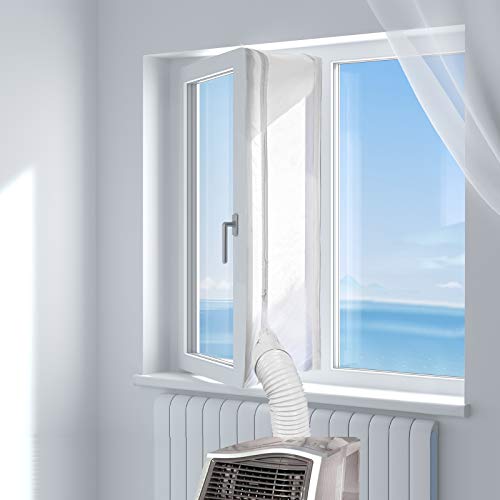
Companies That Install Window Air Conditioners
Discover which types of companies install window AC units, what services they provide, and how to select a reliable installer for a safe, efficient, and well-sealed installation.
Explore Provider TypesQuick answer: Window air conditioner installation is typically handled by HVAC companies, handyman services, appliance installation specialists, and big-box retailer installation programs. For simple units in standard windows, many homeowners choose DIY installation. For heavy units, second-story windows, or complex sealing needs, professional installation is the safer and more reliable option.
Who Installs Window Air Conditioners?
Unlike central air systems that require dedicated ductwork and refrigerant lines, window air conditioners are self-contained units designed to sit in a window frame. This simpler design means installation can be performed by several different types of providers, ranging from the homeowner to licensed HVAC technicians.
Understanding the different provider categories helps you match the complexity of your installation with the right level of expertise. A small 5,000–6,000 BTU window unit in a ground-floor window is a very different job from a 18,000 BTU window AC with heat mounted in a second-story window with custom sealing requirements.
1. HVAC Companies
Full-service HVAC companies are the most comprehensive option. While their primary focus is central air, mini-splits, and heating systems, many also offer window AC installation as a supplementary service. They bring licensed technicians, insurance coverage, and the ability to inspect your electrical circuit, window frame integrity, and surrounding insulation.
HVAC companies are particularly recommended when your window AC unit is large, when the window opening needs modification, or when you want the installation bundled with an annual maintenance plan. Many of these companies also handle related services such as coil cleaning and general system inspections.
2. Handyman and General Contracting Services
Handyman services are a practical middle ground. They are well-suited for installing window AC units that require bracket mounting, window frame reinforcement, or custom side-panel sealing. Handymen typically handle the physical installation and weatherproofing but may not perform electrical work or refrigerant-related tasks.
For units that need a support bracket — especially heavier models like a 12,000–14,000 BTU window unit — a handyman can ensure the bracket is properly anchored to the wall studs and that the unit sits level to prevent vibration and water pooling.
3. Appliance Installation Specialists
Some appliance retailers and third-party installation services specialize in installing appliances, including window air conditioners. These providers are often the most straightforward option when you purchase a unit from a retailer that offers installation as an add-on service. They are efficient for standard installations but may have limited flexibility for unusual window configurations.
4. Big-Box Retailer Installation Programs
Large home improvement and appliance retailers frequently offer window AC installation through their contractor networks. These programs are convenient because installation can be scheduled at the point of purchase. The quality of the installation depends on the local contractor assigned, so it is worth reading reviews and confirming what the service includes — particularly whether window sealing and bracket mounting are part of the package.
5. Specialty Window and Glass Companies
In some cases, a window AC installation requires modifying the window itself — for example, installing a unit in a casement window or a window that does not open vertically. Specialty window companies can fabricate custom acrylic or glass panels with cutouts for the AC unit, providing a cleaner and more secure installation than improvised side panels.
Provider Types at a Glance
HVAC Companies
Professional-gradeLicensed technicians, electrical inspection, insurance coverage, and maintenance options. Best for large units and complex installations.
Handyman Services
Mid-tierBracket mounting, frame reinforcement, and weather sealing. A solid choice for standard-to-moderate installations.
Appliance Installers
Essential tierEfficient for standard window openings. Often bundled with retail purchases. Confirm what sealing and support work is included.
Retailer Programs
Starter tierConvenient scheduling at purchase. Quality varies by local contractor network. Review terms carefully before booking.
Window Specialists
SpecialtyCustom panels for casement and non-standard windows. Ideal when the window opening needs modification.
DIY Installation
Self-managedSuitable for lightweight units in standard double-hung windows on ground floors. Requires basic tools and care.
Comparing Installation Providers
The right provider depends on the unit size, window type, and your comfort with the installation process. The table below summarizes the key differences without relying on specific figures.
| Provider Type | Best For | What They Typically Handle | Considerations |
|---|---|---|---|
| HVAC companies | Large units, complex windows, electrical concerns | Full installation, electrical checks, sealing, maintenance plans | Professional-grade service; schedule in advance during peak season |
| Handyman services | Bracket mounting, frame reinforcement, weather sealing | Physical installation, support brackets, side-panel sealing | Confirm whether electrical work is included or excluded |
| Appliance installers | Standard window openings and straightforward units | Unit placement, basic securing | Verify whether sealing materials and brackets are included |
| Retailer programs | Convenience and bundled scheduling | Installation via local contractor network | Quality varies; read contractor reviews and service terms |
| Window specialists | Casement and non-standard windows | Custom panels, secure mounting, airtight sealing | Specialty service; best planned before purchasing the unit |
| DIY | Lightweight units in standard ground-floor windows | Full installation by the homeowner | Requires proper tools, two people for heavier units, and careful sealing |
What to Look for in a Window AC Installer
Whether you choose an HVAC company, a handyman, or a retailer program, the same core criteria apply. Use this checklist to evaluate potential installers before booking.
Installer Evaluation Checklist
- Verify licensing and insurance where required by your state or locality.
- Confirm the scope of work: unit placement, bracket mounting, window sealing, and cleanup.
- Ask whether the installer checks the electrical outlet and circuit capacity.
- Request a written estimate that lists all included materials and labor.
- Read recent customer reviews specific to window AC installations, not just general HVAC work.
- Confirm whether the installer provides a workmanship warranty.
- Ask about scheduling lead times during peak summer months.
- Ensure the installer will level the unit to prevent vibration and water intrusion.
When Professional Installation Is Recommended
Many window AC units are designed for DIY installation, and for a lightweight unit in a standard double-hung window on the ground floor, self-installation is entirely reasonable. However, professional installation is strongly recommended in the following situations:
- Heavy units: Units above roughly 10,000 BTU become difficult and risky to lift and position safely without help. A 15,000 BTU window air conditioner or larger should generally be installed by two people or a professional.
- Second-story or higher windows: The risk of a unit falling increases significantly, and proper bracket anchoring becomes critical.
- Non-standard windows: Casement windows, sliding windows, and unusually shaped openings often require custom panels or specialized mounting solutions.
- Electrical concerns: If your outlet is not on a dedicated circuit, or if the unit requires a higher-amperage circuit, an electrician or HVAC technician should evaluate the setup.
- Older homes: Window frames in older homes may need reinforcement before supporting a heavy AC unit.
For units that include heating functions, such as a 24,000 BTU window air conditioner with heat, professional installation is also advisable because these units draw more power and are often heavier.
Installation Steps a Professional Will Follow
Understanding the installation process helps you evaluate whether a provider is doing thorough work. A proper window AC installation typically includes the following steps:
- Site assessment: Checking the window frame, wall structure, and nearby electrical outlet.
- Bracket installation: Mounting an exterior support bracket for heavier units, anchored into wall studs.
- Unit placement: Setting the unit level with a slight downward tilt toward the exterior for drainage.
- Sealing: Installing side panels and weather stripping to prevent air leaks and pest entry.
- Electrical check: Confirming the outlet and circuit can handle the unit's requirements.
- Testing: Running the unit to verify cooling, drainage, and stable operation.
If you are comparing installation providers, ask whether each of these steps is included in the quoted scope. Some appliance installation services cover only steps 3 and 4, leaving bracket mounting and electrical checks as additional services.
DIY vs Professional Installation
DIY installation can be a good fit for lightweight units in standard windows. Most manufacturers provide clear instructions, and the process typically takes under an hour for a standard double-hung window. However, DIY installation carries risks: improper leveling can cause water to pool inside the unit, inadequate sealing lets in hot air and insects, and a poorly secured unit can fall.
Professional installation eliminates these risks and often includes sealing materials and brackets that are not always bundled with the unit. For homeowners who are not comfortable on ladders or lifting heavy equipment, professional installation is the more practical choice. The difference between entry-level DIY work and professional-grade installation is most visible in the quality of sealing and the security of the mounting.
Seasonal Timing and Scheduling
Window AC installation demand peaks in late spring and early summer. Booking an installer during this period can mean longer wait times, especially for HVAC companies that prioritize central air service calls. If you are planning a professional installation, scheduling in early spring or late winter generally offers more flexibility.
If your installation is urgent — for example, during a heat wave — handyman services and appliance installation programs often have shorter lead times than full-service HVAC companies. It is worth having a backup plan and confirming availability before purchasing the unit.
Frequently Asked Questions
Do HVAC companies install window air conditioners?
Yes, many HVAC companies offer window AC installation as a supplementary service, particularly for larger units or installations that require electrical inspection and custom sealing. Availability varies by region, so it is best to call and confirm.
Can I install a window air conditioner myself?
Yes, for lightweight units in standard double-hung windows on ground floors, DIY installation is common and manageable. Professional installation is recommended for units above roughly 10,000 BTU, second-story windows, and non-standard window types.
Does installation include window sealing?
It depends on the provider. HVAC companies and handymen typically include sealing materials and weatherproofing. Some appliance installation services cover only basic placement, so confirm the scope in writing before booking.
What is the best type of provider for a large window AC unit?
For units such as an 18,000–24,000 BTU window air conditioner, an HVAC company or a handyman experienced with bracket mounting is the safest choice. These units are heavy and require secure anchoring and proper drainage tilt.
Do I need a permit to install a window AC?
In most jurisdictions, a window AC installation does not require a permit because it is not a permanent structural modification. However, some homeowners associations and local codes have restrictions on window units, so check before installing.
Final Thoughts
Choosing the right company to install your window air conditioner comes down to matching the complexity of the job with the right level of expertise. For a standard unit in a ground-floor window, a handyman or careful DIY installation is sufficient. For larger units, second-story windows, or non-standard openings, an HVAC company or window specialist offers the safety and quality that the job requires.
Whichever provider you choose, insist on a written scope of work that covers bracket mounting, sealing, and electrical checks. A well-installed window AC unit runs more efficiently, lasts longer, and keeps your home comfortable without drafts or water intrusion. If you are still deciding on the right unit before scheduling installation, browse our small room window air conditioner reviews and window AC energy efficiency rating guide to make an informed choice.