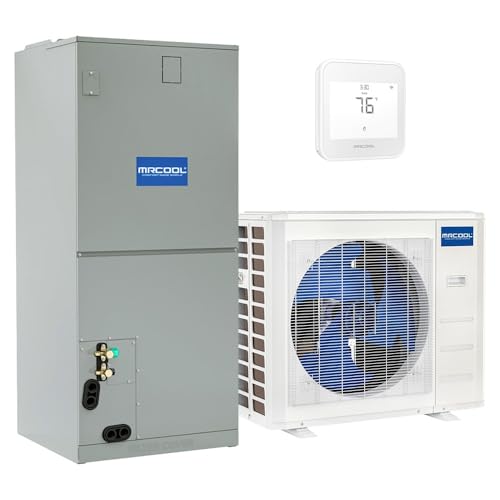
2 Ton Air Conditioning System: The Complete Guide
Understand capacity, sizing, efficiency ratings, and installation requirements before you select a 24,000 BTU cooling system for your home
EXPLORE THE GUIDEQuick Summary: A 2 ton air conditioning system delivers approximately 24,000 BTU per hour of cooling capacity. It is typically matched to homes between 1,000 and 1,400 square feet, though climate, insulation, and layout strongly influence the final sizing decision. This guide walks through the technical fundamentals, efficiency metrics, installation choices, and maintenance routines that matter most before you commit to a purchase.
What a 2 Ton Air Conditioning System Actually Means
In HVAC terminology, a "ton" is not a measure of weight but of cooling power. One ton of cooling equals 12,000 British Thermal Units (BTU) per hour — a figure rooted in the historical energy required to melt one ton of ice over 24 hours. A 2 ton air conditioning system therefore delivers roughly 24,000 BTU per hour, which places it in the medium-capacity bracket of residential cooling equipment.
This capacity class sits between the compact single-room systems and the larger whole-home installations. It is a common choice for small to mid-sized houses, open-plan living areas, and multi-zone setups where one zone requires moderate cooling output. When browsing catalogs, you will frequently encounter this capacity described as a 2 ton air conditioner, and the terms are functionally interchangeable.
Understanding this capacity in practical terms helps set expectations. A 24,000 BTU system removes heat faster than a 1.5 ton unit but cycles less aggressively than a 3 ton system in the same space. The balance between output and runtime is what determines comfort, humidity control, and energy use — which is why sizing is the single most consequential decision in the buying process.
Sizing: How Many Square Feet Does 2 Tons Cool?
The widely cited rule of thumb is 20 BTU per square foot of conditioned living space. At 24,000 BTU, that translates to roughly 1,200 square feet as a midpoint. In practice, the comfortable range spans 1,000 to 1,400 square feet, with the exact figure shifting based on several environmental variables.
Variables That Move the Sizing Window
- Climate zone: Homes in hot, humid regions need more capacity per square foot than homes in mild coastal climates.
- Ceiling height: Rooms with vaulted or 10-foot ceilings contain more air volume and may require a step up in capacity.
- Insulation and window quality: A well-sealed home with double-pane windows holds cooling more efficiently than an older structure with draft-prone single panes.
- Occupancy and appliances: Kitchens with heavy cooking equipment or rooms with multiple occupants generate additional heat load.
- Sun exposure: West- and south-facing rooms absorb more solar gain and benefit from slightly more capacity.
The sizing rule above is a starting point, not a prescription. A professional load calculation — often referred to as a Manual J load calculation — accounts for all these factors systematically. Skipping that step is one of the most common reasons homeowners end up with an oversized or undersized system, both of which carry consequences for comfort and equipment lifespan.
| Home Size (sq ft) | Recommended Capacity | Typical Fit |
|---|---|---|
| 600 – 900 | 1 – 1.5 ton | Apartments, studios, single bedrooms |
| 900 – 1,200 | 1.5 – 2 ton | Small houses, condos, open-plan units |
| 1,200 – 1,500 | 2 – 2.5 ton | Mid-sized single-family homes |
| 1,500 – 2,000 | 2.5 – 3 ton | Larger homes, multi-story layouts |
| 2,000+ | 3 ton and above | Large houses, zoned systems |
If your square footage sits near the upper edge of the 2 ton range, a slightly smaller unit paired with improved insulation often outperforms an oversized system. Conversely, if the home is drafty or heavily glazed, a qualified technician may recommend moving up to the 2.5 ton class rather than forcing a 2 ton unit to work beyond its comfortable range.
System Types Available in the 2 Ton Category
Capacity is only one dimension of the decision. The form factor of the equipment determines how it integrates with your home, what installation work is involved, and how the system performs day to day. The 2 ton class is available across several distinct product families.
Central Split Systems
The traditional configuration: an outdoor condenser paired with an indoor air handler or furnace, distributing cooled air through ductwork. Well suited to homes with existing ducts and a dedicated mechanical closet.
Ductless Mini-Split
A wall-mounted indoor head connected to an outdoor unit by a refrigerant line set. Ideal for homes without ductwork, additions, or single-zone retrofits. A 18000 BTU mini-split and a 2 ton mini-split differ in capacity, so confirm the exact BTU rating before purchase.
Packaged Units
All components housed in a single outdoor cabinet, typically placed on a roof or slab. Common in commercial spaces and certain residential layouts where indoor mechanical space is limited.
Window and Through-the-Wall
Single-unit solutions that fit into a window frame or a wall sleeve. A 24000 BTU through-the-wall air conditioner offers 2 ton capacity in a self-contained format, best for individual rooms rather than whole-home cooling.
Each form factor has trade-offs. Central systems offer the most even temperature distribution and can be integrated with heating, but require duct infrastructure. Mini-splits avoid duct losses and install with minimal structural work, but each indoor zone needs its own head. Self-contained units are the simplest to install but cool only the room they occupy. Matching the form factor to the building's architecture is as important as matching the capacity to the square footage.
For homeowners comparing whole-home options, a 2 ton air conditioning unit in a central configuration is the most common starting point. Those working with a larger building footprint may find that a 3 ton air conditioning system is a better fit, while smaller spaces are better served by stepping down a capacity class.
Efficiency Ratings and Long-Term Operating Considerations
Two systems with identical 24,000 BTU capacity can consume meaningfully different amounts of electricity to deliver the same cooling. Efficiency ratings quantify that difference, and understanding them helps frame the equipment as a long-term investment rather than a one-time purchase.
The Ratings That Matter
- SEER2: Seasonal Energy Efficiency Ratio, updated to reflect modern testing conditions. Higher numbers indicate greater seasonal efficiency. Federal minimums sit in the low-to-mid teens depending on region, while high-SEER units can reach the high teens or low twenties.
- EER2: Energy Efficiency Ratio measured at a single peak-load condition. Useful for comparing performance on the hottest days, when the system works hardest.
- HSPF2: Relevant only if the system includes a heat pump function, measuring heating efficiency across the season.
A 2 ton system with a SEER2 rating in the mid-teens represents the entry-level of the modern market. Units in the 16–18 SEER2 band occupy the mid-range, while systems above 18 SEER2 fall into premium and top-tier territory. The efficiency gap translates into lower electricity consumption over years of operation, though the return depends heavily on climate, runtime hours, and local utility rates.
Inverter-driven compressors are now standard in mid-range and above equipment. Rather than cycling fully on and off, an inverter AC modulates compressor speed to match the load, which improves part-load efficiency and temperature stability. For a 2 ton system that will run many hours per day during summer, the inverter advantage is usually worth considering.
Comparing Efficiency Tiers at a Glance
| Tier | Typical SEER2 Band | Best For |
|---|---|---|
| Entry-Level | 14 – 15 | Mild climates, low runtime, replacement of existing equipment |
| Mid-Range | 16 – 18 | Most residential applications, balanced performance |
| Premium | 18 – 20 | Hot climates, high runtime, long-term efficiency focus |
| Top-Tier | 20+ | Maximum efficiency targets, variable-speed systems |
Key Buying Factors Before You Choose
Once capacity and form factor are settled, the remaining decision points revolve around build quality, features, and long-term reliability. These are the areas where careful comparison pays off.
Compressor Type and Build
A scroll compressor is the modern standard for residential equipment and tends to run quieter and smoother than older reciprocating designs. Look for durable construction, rust-resistant cabinet coatings, and reinforced coil guards — particularly in coastal or humid environments where corrosion accelerates wear. Mid-range and high-end tier systems typically use thicker gauge steel and more robust fan motors than entry-level models.
Noise Levels
Outdoor unit noise is measured in decibels, and the difference between a 74 dB entry-level unit and a 58 dB premium unit is substantial in practice. If the condenser will sit near a patio, bedroom window, or property line, prioritizing a quieter model is worth the consideration. For a deeper look at quiet options, the quiet air conditioner overview is a useful companion read.
Smart Controls and Connectivity
Wi-Fi-enabled thermostats and app-based control have moved from novelty to mainstream expectation. A system that supports scheduling, remote adjustment, and energy reporting integrates cleanly with modern home routines. If this matters to you, the AC with Wi-Fi and smart control guide covers the feature set in more detail.
Warranty Coverage
Standard coverage in this class generally runs five to ten years on the compressor and one to five years on parts, with variations between manufacturers. Longer compressor coverage is a reasonable proxy for confidence in build quality. Review the terms carefully — coverage often depends on professional installation and documented maintenance.
System Matching
In a split system, the outdoor condenser and indoor air handler must be matched as a certified combination. Mixing components from different generations or efficiency tiers can reduce performance and void warranty coverage. Always confirm that the pair is listed in the manufacturer's matching documentation.
Installation Requirements and Site Preparation
Installation quality has a direct effect on performance, efficiency, and equipment lifespan. A well-matched 2 ton system installed poorly will underperform a mid-tier system installed correctly. Before scheduling work, several site conditions should be verified.
Electrical Service
Central 2 ton systems typically require a dedicated 240-volt circuit with an appropriately sized breaker, commonly in the 20–30 amp range depending on the specific model. Homes with older panels may need an upgrade. Confirming the available electrical capacity early avoids surprises during installation. The amps and breaker size guide covers how to interpret nameplate ratings.
Indoor and Outdoor Placement
The outdoor condenser needs clear airflow on all sides, shade where possible, and a level pad. The indoor air handler requires adequate return-air access and, for ducted systems, a layout that minimizes pressure losses. Placement decisions affect both performance and noise. The indoor and outdoor placement guide walks through the practical constraints.
Ductwork Considerations
For ducted systems, the existing duct network must be capable of delivering the required airflow — typically around 400 cubic feet per minute per ton, or roughly 800 CFM for a 2 ton system. Undersized or leaky ducts are a common hidden limitation. Sealing and balancing ducts is often part of a proper installation scope.
Permits and Contractor Selection
Most jurisdictions require a mechanical permit for HVAC replacement or new installation. A reputable contractor will handle the permitting process. When evaluating bids, confirm licensing, insurance, and whether the scope includes load calculation, duct assessment, and post-installation commissioning. The how to choose an HVAC contractor guide offers a structured checklist.
Maintenance Schedule and Troubleshooting Basics
A 2 ton system is a long-term investment, and routine maintenance is what protects that investment. Most tasks are straightforward and can be handled by the homeowner, while a few require professional service.
Homeowner Maintenance Tasks
- Filter replacement: Check monthly during peak season and replace or clean every one to three months depending on filter type and household conditions. A clogged filter restricts airflow and strains the blower. The when to replace AC filter guide helps establish a routine.
- Outdoor unit cleaning: Remove debris from around the condenser and gently rinse the coils at the start of cooling season.
- Condensate drain check: Verify that the drain line flows freely. A clogged drain is one of the most common causes of water leakage.
- Thermostat scheduling: Program setbacks for periods when the home is unoccupied to reduce unnecessary runtime.
Professional Service
An annual service visit covers refrigerant charge verification, coil cleaning, electrical connection checks, and airflow measurement. Catching a small refrigerant leak or a loose electrical connection early prevents larger failures later. If the system is not cooling as expected, the AC not cooling troubleshooting guide outlines the most likely causes in order of probability.
Common Issues Specific to This Capacity Class
- Short cycling: Often a symptom of oversizing. A 2 ton unit in a space that only needs 1.5 tons will satisfy the thermostat quickly and shut off, cycling repeatedly and dehumidifying poorly.
- Insufficient dehumidification: Related to short cycling and to airflow settings. Lowering fan speed slightly can improve moisture removal in humid climates.
- Frozen evaporator coil: Usually caused by restricted airflow or low refrigerant charge. If ice appears on the indoor coil, shut the system off and investigate before restarting.
Related Capacity and Configuration Guides
If you are still narrowing down the right capacity class, these related guides may help. A 3 ton system suits larger footprints, while a 2 ton air conditioner overview covers additional product context. For homes with existing ductwork and a focus on value within the category, the 2 ton air conditioning unit cost breakdown explains what the installation scope typically includes.
Those considering ductless options can compare a 18000 BTU mini-split against 2 ton configurations to see where the capacity break points fall. And for a broader overview of the highest efficiency equipment available in this class, the highest SEER air conditioner resource is a useful reference.
Ready to Compare 2 Ton Systems?
Browse recommended products below to see current availability and feature sets across the 2 ton category.
VIEW RECOMMENDED UNITSFrequently Asked Questions
What size home is a 2 ton air conditioning system suitable for?
A 2 ton system is generally appropriate for homes between 1,000 and 1,400 square feet. The exact fit depends on climate zone, insulation, ceiling height, window orientation, and occupancy. A professional load calculation is the most reliable way to confirm suitability.
How many BTU does a 2 ton air conditioner produce?
One ton equals 12,000 BTU per hour, so a 2 ton system produces approximately 24,000 BTU per hour of cooling capacity. This figure is the rated output under standard test conditions; actual delivered capacity varies with indoor and outdoor temperatures.
What SEER rating should I look for in a 2 ton system?
Federal minimums require SEER2 ratings in the low-to-mid teens depending on region. Entry-level systems sit at the minimum, mid-range systems typically land between 16 and 18 SEER2, and premium or top-tier equipment exceeds 18 SEER2. Higher ratings reduce electricity consumption per unit of cooling delivered.
Is a 2 ton air conditioning system too big for an apartment?
For most apartments under 800 square feet, yes — a 2 ton system is oversized and will short-cycle, leading to uneven temperatures and poor humidity control. Smaller capacities in the 1 to 1.5 ton range are usually a better match for apartment living spaces.
Can a 2 ton system cool two floors?
It can, but only if the total conditioned area stays within the 1,000–1,400 square foot range and the ductwork is properly zoned. Multi-story homes often benefit from zoning or separate systems per floor to maintain even temperatures and avoid stratification.
How long does a 2 ton air conditioning system last?
With proper installation and routine maintenance, a residential system in this class typically lasts 12 to 18 years. Lifespan depends on runtime hours, climate severity, maintenance consistency, and whether the system was correctly sized from the start.
Does a 2 ton system require a dedicated electrical circuit?
Yes. Central 2 ton systems generally require a dedicated 240-volt circuit with a breaker sized to the equipment's nameplate rating, commonly in the 20–30 amp range. An electrician or HVAC contractor should verify panel capacity before installation.