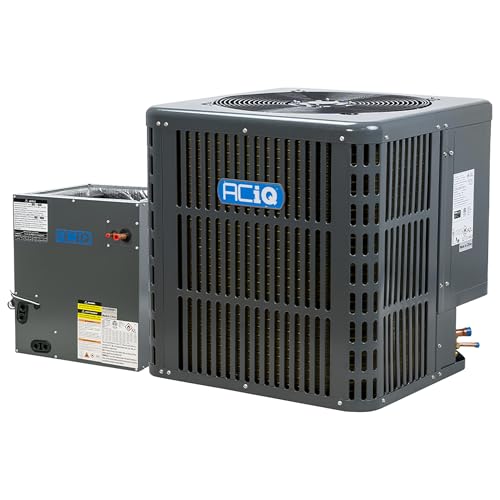
3 Ton Air Conditioning System: The Complete Homeowner's Guide
Everything you need to know before investing in a 3 ton air conditioning system — from sizing and efficiency to installation, maintenance, and choosing the right tier for your home.
Quick Summary: A 3 ton air conditioning system delivers approximately 36,000 BTU per hour of cooling — enough for most mid-sized single-family homes. This guide walks you through sizing, efficiency ratings, system types, installation considerations, and maintenance so you can make a confident, well-informed decision.
What Does "3 Ton" Mean in Air Conditioning?
In HVAC terminology, "ton" is a unit of cooling capacity, not weight. One ton of cooling equals 12,000 BTU per hour — the amount of heat required to melt one ton of ice in 24 hours. Therefore, a 3 ton air conditioning system provides roughly 36,000 BTU per hour of cooling.
This capacity makes a 3 ton system one of the most common choices for single-family homes in the 1,500 to 2,100 square foot range. It sits comfortably in the middle of the residential capacity spectrum — larger than a 2 ton air conditioning system but smaller than a 5 ton air conditioning system.
The right capacity matters far more than most homeowners realize. An undersized unit runs continuously and struggles to reach the thermostat setpoint on hot days. An oversized unit cools too quickly, cycles on and off, and fails to remove humidity properly — leaving your home feeling clammy and uncomfortable.
Is a 3 Ton System Right for Your Home?
Square footage is a starting point, but it is not the whole story. Climate, insulation quality, window area, ceiling height, occupancy, and ductwork condition all affect the actual load. Use the table below as a general reference, then confirm with a professional Manual J load calculation.
| Home Size | Recommended Capacity | Typical Fit |
|---|---|---|
| Up to 1,200 sq ft | 1.5 – 2 tons | Small homes, condos, apartments |
| 1,200 – 1,500 sq ft | 2 – 2.5 tons | Compact single-family homes |
| 1,500 – 2,100 sq ft | 3 tons | Mid-sized single-family homes (best fit) |
| 2,100 – 2,500 sq ft | 3.5 – 4 tons | Larger homes, mild climates |
| 2,500 – 3,000 sq ft | 4 – 5 tons | Large homes, multi-zone setups |
Pro Tip: In hot, humid climates, a 3 ton system may serve closer to 1,500 square feet. In mild, dry climates with good insulation, it can comfortably handle up to 2,100 square feet. Always verify with a load calculation — see our guide on how many square feet a 3 ton AC unit covers.
Types of 3 Ton Air Conditioning Systems
A 3 ton capacity is available across several system architectures. Each has distinct advantages depending on your home's layout, existing ductwork, and efficiency goals.
3 Ton Central AC
The traditional split system with an outdoor condenser and indoor air handler connected to ductwork. Delivers consistent cooling across the entire home and integrates easily with a furnace or heat pump.
3 Ton Mini-Split
Ideal for homes without ducts or for zoned comfort. A multi-zone setup distributes 36,000 BTU across several wall-mounted or ceiling-cassette indoor units.
3 Ton Heat Pump System
Provides both cooling and heating from a single unit. Modern heat pumps maintain efficiency even in colder climates and qualify for many efficiency incentives.
AC + Furnace Combo
A 3 ton air conditioner paired with a gas furnace. This is a common setup in mixed climates where gas heating is preferred over electric heat pump operation.
3 Ton Split for Mobile Home
Purpose-built configurations for manufactured and modular housing, with compatible ductwork and clearances suited to tighter installations.
3 Ton Packaged Unit
A single self-contained cabinet placed on the roof or a slab. Popular for light commercial spaces, additions, and homes where indoor equipment space is limited.
Efficiency Ratings: What to Look For in a 3 Ton System
Efficiency determines how much electricity a system consumes to deliver its rated cooling. Since a 3 ton unit uses a substantial amount of power, the efficiency gap between an entry-level and a high-end tier model can meaningfully affect your energy consumption over the system's lifespan.
- SEER2 — Seasonal Energy Efficiency Ratio. Higher is better. Minimum federal standards vary by region, with a common baseline around 14.3 to 15 SEER2 for new residential systems.
- EER2 — Energy Efficiency Ratio at a specific design condition. Useful for comparing performance during peak heat.
- HSPF2 — Heating Seasonal Performance Factor, relevant when the system includes a heat pump.
- Inverter compressors — Variable-speed operation that matches output to demand, improving both comfort and efficiency versus single-stage compressors.
For a deeper dive into efficiency metrics, read our explanations of what a SEER rating means and what an EER rating measures.
| Tier | Typical SEER2 | Best For |
|---|---|---|
| Entry-level | 14.3 – 15.5 | Moderate climates, limited runtime, straightforward installs |
| Mid-range | 15.5 – 17.5 | Balanced comfort and efficiency for most homes |
| Premium | 17.5 – 20 | Hot climates, long cooling seasons, advanced comfort features |
| Top-tier / high-end | 20+ | Maximum efficiency, variable-speed comfort, sustainability goals |
Installation Considerations for a 3 Ton System
A 3 ton system is a sizable piece of equipment, and installation quality directly affects efficiency, longevity, and warranty coverage. Key considerations include:
- Electrical service: Most 3 ton systems require a dedicated 240V circuit. Verify your panel has adequate capacity — see how to check your home electrical panel.
- Ductwork sizing: A 3 ton system needs ductwork capable of moving roughly 1,200 CFM. Undersized ducts restrict airflow and reduce efficiency.
- Line set length: Longer refrigerant runs require adjustments to charge and may reduce capacity. Understand refrigerant line set length guidelines.
- Outdoor placement: The condenser needs proper clearances for airflow and should be positioned away from direct sun if possible.
- Permits and code: Most jurisdictions require a permit for system replacement. Review whether you need a permit for your AC installation.
Hiring a qualified contractor is essential. Our guide on how to choose an HVAC contractor outlines the licensing, insurance, and quote-comparison steps that protect your investment.
Maintenance Checklist for Long-Term Performance
With consistent maintenance, a 3 ton air conditioning system should deliver reliable service for 15 to 20 years. A practical maintenance rhythm includes:
- Monthly: Inspect and replace the air filter. See when to replace your AC filter.
- Seasonally: Clear debris around the condenser, check drain lines, and run a full seasonal AC checklist.
- Annually: Schedule a professional tune-up to check refrigerant charge, electrical connections, and coil condition.
- As needed: Clean coils following our guides on cleaning condenser coils and cleaning evaporator coils.
If you notice performance issues, our troubleshooting articles cover AC not cooling, AC leaking water, and frozen coils.
Related 3 Ton System Topics
Homeowners researching a 3 ton system often explore adjacent configurations. The links below cover the most common related questions and product categories.
Frequently Asked Questions
What size home does a 3 ton air conditioning system cool?
A 3 ton air conditioning system is typically suitable for homes between 1,500 and 2,100 square feet, depending on climate, insulation, window quality, and occupancy. Proper sizing via Manual J load calculation is always recommended.
How many BTU is a 3 ton air conditioner?
One ton of cooling equals 12,000 BTU per hour, so a 3 ton air conditioning system delivers approximately 36,000 BTU per hour of cooling capacity.
Is a 3 ton AC unit good for a two-story home?
A single 3 ton system can serve some two-story homes under 2,000 square feet if ductwork is well designed. However, zoning or two separate systems often provide better comfort and efficiency for multi-story layouts.
What SEER rating should I look for in a 3 ton system?
Aim for a minimum of 15 SEER2 for entry-level compliance and 17 to 20+ SEER2 for mid-range to premium efficiency. Higher SEER2 ratings reduce long-term energy consumption, especially in hot climates.
How long does a 3 ton air conditioning system last?
With annual professional maintenance and regular filter changes, a 3 ton air conditioning system typically lasts 15 to 20 years. Premium-tier units with inverter compressors often reach the upper end of that range.
Ready to Choose Your 3 Ton System?
Explore our curated selection of 3 ton air conditioning systems and compare features, efficiency, and configurations side by side.
View Recommended Systems