2 Ton Mini Split Air Conditioner: Complete Buyer's Guide
Everything you need to know about 2 ton ductless mini split systems — sizing, efficiency, installation, and how to choose the right model for your home before you buy.
START LEARNINGWhy this guide matters: A 2 ton mini split air conditioner is one of the most versatile ductless cooling solutions available, with a capacity of roughly 24,000 BTU. It is often the ideal middle ground for large living areas, open-plan homes, and multi-zone setups. This guide walks you through the technical fundamentals, practical selection criteria, and installation considerations so you can make a confident, informed purchase.
What Is a 2 Ton Mini Split Air Conditioner?
A 2 ton mini split air conditioner is a ductless system rated at approximately 24,000 BTU of cooling capacity. The "2 ton" label comes from the traditional tonnage system used in the HVAC industry, where one ton equals about 12,000 BTU per hour. This places a 2 ton unit firmly in the mid-capacity range for residential ductless cooling.
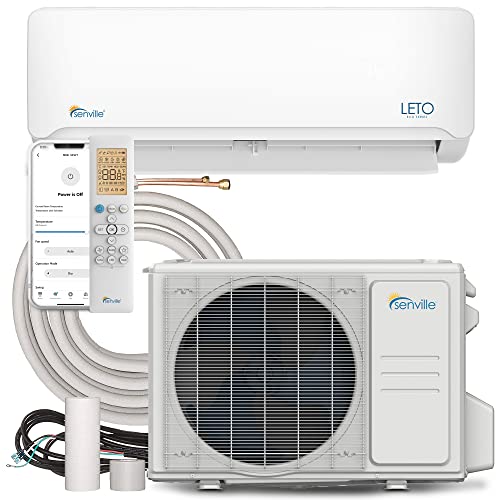
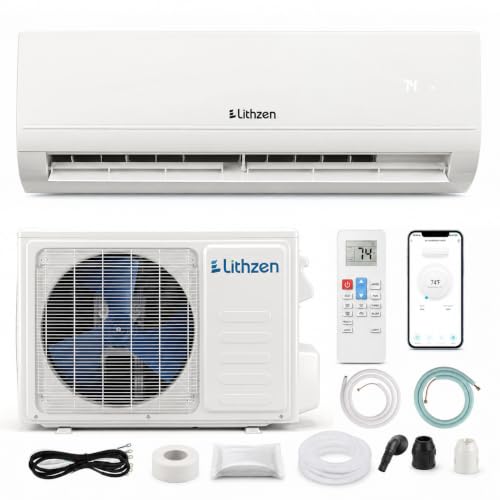
Unlike central air systems that distribute cooled air through ducts, a mini split system consists of an outdoor condenser unit connected to one or more indoor air-handling heads via a small refrigerant line set. This design eliminates duct losses and allows for room-by-room temperature control. For a broader technical foundation, you can learn what an air conditioner actually does before diving into tonnage specifics.
The 2 ton capacity sits between smaller single-room units and larger whole-home systems. It is frequently used in open living rooms, master suites, and multi-zone arrangements where a single outdoor unit serves multiple indoor heads. If you are comparing capacities across the range, our 18,000–24,000 BTU AC guide provides useful context.
Key Specifications at a Glance
The table below summarizes the typical technical profile of a 2 ton mini split air conditioner. Actual specifications vary by model, so always confirm details in the manufacturer documentation.
| Specification | Typical Range | Notes |
|---|---|---|
| Cooling Capacity | ~24,000 BTU | Also labeled as 2 ton |
| Heating Capacity (heat pump models) | ~24,000–27,000 BTU | Depends on model and outdoor temperature |
| Recommended Room Size | 1,000–1,500 sq ft | Varies with climate, insulation, and ceiling height |
| SEER Rating | 15–22+ SEER | Higher ratings indicate greater efficiency; see efficiency ratings explained |
| Voltage | 208–230V | Most 2 ton systems require dedicated 240V circuits |
| Refrigerant | R-410A or R-32/R-454B | Newer models transition to lower-GWP refrigerants |
| Indoor Head Configuration | Single-zone or multi-zone | Multi-zone systems connect 2–5 indoor heads to one outdoor unit |
Is 2 Tons the Right Capacity for Your Home?
Sizing is the single most important decision when selecting any air conditioner. A 2 ton mini split is generally suited to a space of roughly 1,000 to 1,500 square feet, but this is only a starting point. Many factors shift the calculation:
- Ceiling height: Rooms with vaulted ceilings need more capacity per square foot.
- Insulation and window quality: Poor insulation increases the cooling load.
- Sun exposure: West- and south-facing rooms gain more heat.
- Occupancy and appliances: Kitchens and home offices generate additional heat.
- Climate zone: Hotter climates demand more capacity, while mild climates may need less.
An oversized unit will short-cycle, which reduces comfort and wastes energy. An undersized unit will run continuously and struggle to maintain the set temperature. To refine your estimate, use a proper BTU calculation method rather than relying solely on square footage. Our guide to sizing an air conditioner explains how to account for these variables.
Quick Sizing Reference
- 500–750 sq ft: 1 ton (12,000 BTU) is often sufficient
- 750–1,000 sq ft: 1.5 ton (18,000 BTU) is a common fit
- 1,000–1,500 sq ft: 2 ton (24,000 BTU) is frequently appropriate
- 1,500–2,000 sq ft: Consider 2.5–3 ton, or multi-zone
Practical tip: For multi-zone systems, the outdoor unit's capacity is distributed across indoor heads. A 2 ton outdoor unit may serve two or three heads with combined capacity near 24,000 BTU, but each head must be sized to its room. Ask a qualified HVAC professional to perform a room-by-room load calculation.
Advantages of a 2 Ton Mini Split System
A 2 ton mini split offers several practical benefits that make it a compelling option for many homes:
- No ductwork required: Ideal for homes without existing ducts, additions, and older properties.
- Zone control: Multi-zone systems allow independent temperature settings for each room.
- High efficiency: Ductless delivery avoids the energy losses associated with ducted systems.
- Quiet operation: Many indoor heads operate at whisper-quiet sound levels, particularly in the quiet air conditioner category.
- Heating and cooling: Heat pump models provide year-round comfort, often with efficient cold-climate performance.
- Smart controls: Many models support Wi-Fi and app-based management — see AC with Wi-Fi and smart control.
- Cleaner indoor air: Optional filtration and purification features are available on select models, as covered in our AC with air purifier overview.
Types of 2 Ton Mini Split Systems
Not all 2 ton mini splits are configured the same way. The main configurations are:
Single-Zone Systems
One outdoor unit connects to one indoor head. This is the simplest configuration and is well suited to a single large open space, such as a living room or a finished basement. Installation is straightforward, and the system is easier to service.
Multi-Zone Systems
One outdoor unit connects to two or more indoor heads, each serving a separate room. A 2 ton outdoor unit can typically support several zones, depending on the capacity of each head. This configuration is popular for homes that want room-by-room comfort without a full ducted system. You can read more about multi-zone configurations in our dual head mini split guide.
Heat Pump vs. Cooling-Only
Many 2 ton mini splits are heat pumps, meaning they can both cool and heat. Heat pump models are versatile and can replace both a cooling system and a separate heating source in milder climates. If you are interested specifically in a 2 ton heat pump configuration, our 24,000 BTU mini split heat pump page covers that variation in more detail.
Efficiency Ratings Explained
Efficiency is a major consideration for any ductless system. Several ratings appear on product labels, and understanding them helps you compare models fairly:
- SEER and SEER2: Seasonal efficiency for cooling. Higher values indicate greater efficiency. SEER2 is the newer DOE test standard.
- EER and EER2: Efficiency at a specific peak condition, useful for comparing hot-climate performance.
- HSPF and HSPF2: Heating seasonal efficiency for heat pump models.
For a deeper walkthrough, see our guide to energy efficiency ratings (SEER, EER, HSPF). In general, higher-rated systems consume less energy over time, which can make them a worthwhile investment for long-term use. Inverter compressors, which adjust speed continuously rather than cycling on and off, are a key contributor to efficiency in modern mini splits.
Product Tiers in the 2 Ton Mini Split Market
The market for 2 ton ductless systems can be broadly grouped into tiers. These descriptors reflect relative positioning within the category rather than absolute specifications, and they help set expectations before you shop.
Entry-Level Tier
Essential cooling and heating with core features. Often single-zone, with standard efficiency ratings and basic controls. A solid choice for straightforward installations.
Mid-Range Tier
Higher efficiency ratings, quieter indoor heads, and smart control options. Multi-zone configurations become more common at this tier, offering better flexibility for larger homes.
Premium Tier
Top-tier efficiency, advanced filtration, enhanced cold-climate heating performance, and refined build quality. Suited to buyers prioritizing long-term efficiency and premium comfort features.
When comparing tiers, consider the features that matter most for your situation — such as low-temperature heating performance, noise levels, filtration, and smart home integration — rather than focusing on any single specification.
Installation Requirements and Considerations
A 2 ton mini split is a substantial system, and installation involves several important steps. While some DIY-oriented models exist, professional installation is strongly recommended for this capacity class.
Electrical Requirements
Most 2 ton mini splits require a dedicated 208–230V circuit. This typically means a double-pole breaker and properly sized wiring run to the outdoor unit. Verify the manufacturer's requirements and consult a licensed electrician if your panel does not have adequate capacity. If you are unsure about voltage choices, our 110V vs 240V air conditioner comparison explains the trade-offs.
Placement of Indoor and Outdoor Units
The indoor head should be mounted high on a wall with unobstructed airflow and a clear path for the condensate drain. The outdoor unit needs a level surface, sufficient clearance for airflow, and a location that minimizes line-set length and noise intrusion. Our guide to AC indoor and outdoor placement covers these considerations in detail.
Line Set and Refrigerant Handling
Mini splits use small refrigerant line sets that connect the indoor and outdoor units. Line-set length and routing affect performance, and proper evacuation and charging require specialized tools. Refrigerant handling is regulated, and our overview of EPA refrigerant handling rules explains the compliance basics.
Permits and Professional Help
Many jurisdictions require a permit for mini split installation. If you plan to hire a contractor, review our advice on how to choose an HVAC contractor and the question of whether you need a permit for AC installation. For a cost-agnostic overview of what installation involves, see our installation cost breakdown page, which explains the components of a typical project.
Pre-Purchase Checklist for a 2 Ton Mini Split
- Confirm room size and cooling load with a proper calculation.
- Decide between single-zone and multi-zone configuration.
- Check electrical panel capacity for a 240V circuit.
- Compare SEER2/EER2 ratings and confirm local efficiency standards.
- Verify low-temperature heating performance if you plan to use the heat pump in winter.
- Review noise specifications (dB) for indoor and outdoor units.
- Check warranty terms and authorized installer requirements.
- Confirm availability of service and parts in your region.
Maintenance Tips for Long-Term Performance
Regular maintenance keeps a 2 ton mini split running efficiently and extends its service life. Key tasks include:
- Clean or replace indoor filters every few weeks during heavy use.
- Keep the outdoor unit clear of leaves, debris, and obstructions.
- Check the condensate drain for clogs and ensure proper drainage.
- Schedule professional servicing before each cooling season.
- Inspect refrigerant lines and electrical connections periodically.
For a full seasonal routine, refer to our seasonal AC checklist and how to clean an AC filter guides. If you notice performance issues, our troubleshooting resources — such as AC not cooling and frozen coils — can help you identify common problems before calling a technician.
Common Questions About 2 Ton Mini Splits
How many square feet does a 2 ton mini split cool?
As a general guideline, a 2 ton (24,000 BTU) system is suited to roughly 1,000–1,500 square feet. The exact figure depends on insulation, windows, ceiling height, climate, and occupancy. A professional load calculation is the most reliable way to size accurately.
Can a 2 ton mini split heat as well as cool?
Yes, if the unit is a heat pump model. Many 2 ton mini splits are heat pumps that provide both cooling and heating. Heating capacity and low-temperature performance vary by model, so check the manufacturer's specifications for your climate.
How many zones can a 2 ton mini split support?
Multi-zone 2 ton systems commonly support two to five indoor heads, depending on the capacity of each head and the outdoor unit's rated range. Each zone should be sized individually based on its room's load.
What voltage does a 2 ton mini split require?
Most 2 ton systems operate on 208–230V and require a dedicated circuit with an appropriately sized breaker. Always confirm the exact requirement in the installation manual and have the circuit installed by a licensed electrician.
Is professional installation necessary?
For a system of this capacity, professional installation is strongly recommended. Proper evacuation, charging, electrical work, and mounting affect both performance and warranty coverage. If you are comparing installation approaches, our installation cost breakdown and common installation mistakes guides are helpful references.
Final Thoughts
A 2 ton mini split air conditioner is a flexible, efficient solution for large rooms, open-plan living areas, and multi-zone homes. The right choice depends on an accurate load calculation, a clear understanding of your electrical setup, and a realistic assessment of your heating and cooling priorities. Use the specifications and checklists in this guide to compare models with confidence, and consult a qualified HVAC professional before committing to a final configuration.
Once you have narrowed down your shortlist, the recommendations below will help you explore options that match your tier and feature preferences.