24 Hour Air Conditioning and Heating
Round-the-clock comfort explained: how continuous-duty systems work, which setups handle nonstop operation best, and how to keep heating and cooling reliable every hour of the day.
START LEARNINGWhy this page exists: If you searched for "24 hour air conditioning and heating," you are likely weighing two very different questions — which HVAC systems are built to run around the clock, and how do you get help when something fails in the middle of the night? This guide answers both, so you can research with confidence before choosing a system or a service provider.
What "24 Hour Air Conditioning and Heating" Really Means
The phrase covers two distinct ideas that are often blended together. Understanding the difference is the first step toward a smart decision.
Continuous-duty equipment refers to hardware built for extended run times. Inverter compressors, variable-speed blowers, and modern heat pumps are designed to modulate output instead of slamming on and off. That design philosophy is what makes 24 hour comfort realistic without hammering the equipment.
Round-the-clock service refers to the human side: contractors and technicians who answer calls outside normal business hours. For households with infants, elderly residents, medical equipment, or pets, overnight HVAC failures are not a minor inconvenience — they are a genuine safety concern. Knowing what qualifies as an emergency helps you decide when to call a professional repair company immediately rather than waiting for morning.
Year-round operation ties the two together. A single system that heats in winter and cools in summer, running continuously at low output, is the practical definition of 24 hour air conditioning and heating for most homes.
How Continuous-Duty HVAC Systems Work
Traditional single-stage systems are either fully on or fully off. That on/off cycling is efficient in mild weather but creates temperature swings and wear during long, hot or cold stretches. Systems suited to 24 hour operation use a different strategy.
Inverter-driven compressors adjust speed continuously. Instead of restarting at full power, the compressor slows down and maintains a steady output. The result is a more stable indoor temperature, quieter operation, and less mechanical stress on startup components. This is why inverter technology dominates modern mini-splits and high-efficiency central systems.
Variable-speed air handlers do the same for airflow. They run at a low, constant speed for long periods, which improves humidity control and reduces the blast of cold air that single-speed blowers produce.
Heat pumps reverse the refrigeration cycle to move heat into or out of the home. A modern cold-climate heat pump can deliver both heating and cooling from one outdoor unit, making it a natural fit for continuous operation. If you are comparing technologies, our guide on air conditioning and heating units breaks down the trade-offs in detail.
The sizing rule that matters most
Continuous operation only works when the system is correctly sized. An oversized unit cools the room too quickly, shuts off, and then restarts — the exact short-cycling behavior that continuous-duty design is meant to avoid. A properly sized unit runs longer at lower output, which is both more comfortable and gentler on the equipment. See our guide on how to size an air conditioner before committing to any model.
System Types Best Suited for Round-the-Clock Comfort
Not every HVAC category is equally comfortable running day and night. The table below compares the main options using neutral tier descriptors and real-world use cases.
| System Type | Market Tier | Best For | 24 Hour Suitability |
|---|---|---|---|
| Ductless mini-split (inverter) | Mid-range to premium | Single rooms, additions, homes without ductwork | Excellent — modulates smoothly for long run times |
| Cold-climate heat pump | Premium | Year-round heating and cooling in one unit | Excellent — designed for continuous seasonal operation |
| Variable-speed central AC | Mid-tier to high-end tier | Whole-home comfort with existing ducts | Very good — steady output with low cycling |
| Single-stage central AC | Entry-level | Mild climates and shorter cooling seasons | Moderate — more on/off cycling under load |
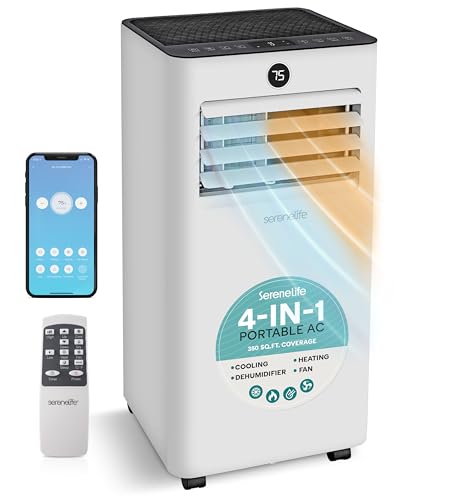
| Window or portable AC | Starter tier | Renters, single rooms, temporary backup cooling | Limited — best as supplemental or backup cooling |
| Commercial-grade rooftop or packaged unit | Professional-grade | Businesses, server rooms, spaces needing constant climate control | Excellent — built for continuous duty cycles |
For most residential buyers, the decision comes down to a ductless mini-split system for targeted rooms versus a variable-speed central system for whole-home coverage. Mini-splits are especially strong when you need independent zone control and want each room to maintain a steady temperature overnight. Central variable-speed systems win when ductwork already exists and the goal is uniform comfort across an entire house.
If your home is under construction or undergoing a major renovation, planning for continuous-duty equipment early is far easier than retrofitting later. Our page on AC for new construction covers the pre-installation decisions that matter most.
Heating and Cooling in One System: The Heat Pump Advantage
Historically, homeowners installed a furnace for winter and a separate air conditioner for summer. A heat pump collapses that into a single appliance. In cooling mode it works like a standard air conditioner; in heating mode it reverses the refrigerant flow to pull heat from outdoor air and move it inside.
This matters for 24 hour operation because one well-maintained system is simpler to keep reliable than two separate machines. Fewer components, fewer service visits, and a single maintenance schedule. Modern cold-climate heat pumps also maintain useful heating capacity well below freezing, which makes them viable in regions where older heat pumps struggled.
If you already have a furnace and are considering adding cooling, you do not necessarily need to replace the whole system. Our guide on adding air conditioning to an existing furnace explains how a heat pump or AC coil can be integrated with the equipment you already own.
For larger properties or commercial spaces, commercial-grade packaged units are the continuous-duty equivalent of a residential heat pump. They are built for constant operation and are the standard choice for spaces where a temperature failure has serious consequences, such as a server room or a fitness facility.
Maintenance Habits That Keep Systems Running Around the Clock
Continuous operation is only sustainable with a maintenance routine. The good news is that most of the highest-impact tasks are simple and can be done by the homeowner.
- Replace or clean filters on schedule. A clogged filter forces the blower to work harder and reduces airflow, which is the single most common cause of overheating and premature failure. Our guide on cleaning AC filters covers the correct method for each filter type.
- Keep the outdoor condenser clear. Debris, leaves, and vegetation around the outdoor unit restrict heat rejection. Regular condenser maintenance keeps the system efficient during long summer run times.
- Schedule a professional tune-up before peak season. A technician checks refrigerant charge, electrical connections, and capacitor health — the components most likely to fail during extended operation.
- Watch for short cycling. Frequent on/off cycles are a warning sign of oversizing, low refrigerant, or a failing component. Our article on AC short cycling explains how to diagnose the cause.
- Inspect and clean the drain pan and condensate line. Continuous cooling produces steady condensation, and a clogged drain line can cause water damage. See our guide on cleaning the drain pan for a step-by-step walkthrough.
- Monitor unusual behavior. If the fan is spinning but the air is not cold, or the unit is on but not blowing air, these are early warnings worth investigating before they become emergency calls.
Seasonal timing tip
Late spring and early fall are the best windows for a professional tune-up. Technicians are less booked than during peak summer, and any issues are caught before the system is asked to run continuously through a heat wave.
When to Call for Emergency HVAC Service
Round-the-clock service exists for situations where waiting is not an option. A good rule of thumb: if the problem involves safety, structural damage, or a vulnerable occupant, call immediately. If it is a comfort inconvenience, a same-day or next-morning appointment is usually fine.
Call right away when you notice:
- No cooling or no heat during extreme outdoor temperatures
- A burning or electrical smell from any HVAC component
- Water pooling near the indoor unit or electrical panel
- Repeated breaker trips when the system starts
- Loud grinding, banging, or screeching noises
- Any failure in a home with infants, elderly residents, or medical equipment
When you call, having the model number, installation date, and a description of the symptoms ready will help the technician diagnose faster. Keeping your warranty registration current also matters, because emergency repairs on covered components are handled differently than out-of-warranty work.
It is also worth distinguishing between a true emergency and a problem you can troubleshoot yourself. If the system is on but not cooling, our guides on an AC unit on but not blowing cold air and air blowing from vents but not cooling the house walk through the homeowner-level checks before you call a technician.
Choosing the Right Equipment for Your Situation
Buyers researching 24 hour air conditioning and heating usually fall into one of a few profiles. Matching your profile to the right system category saves time and avoids overbuying.
| Your Situation | Recommended Direction | Why It Fits |
|---|---|---|
| Small apartment or studio | Starter to mid-tier ductless mini-split | Zone control, quiet operation, no ductwork needed |
| Home without existing ducts | Mid-range ductless mini-split or multi-zone system | Retrofit-friendly and supports continuous run times |
| Whole-home retrofit with ducts in place | Variable-speed central heat pump | Uniform comfort with heating and cooling in one unit |
| Home office or single room | Mid-tier inverter mini-split | Stable temperature through long workdays |
| Commercial or specialty space | Professional-grade packaged or rooftop unit | Built for continuous duty and heavier loads |
Two practical checks before you commit: confirm your electrical panel can support the new equipment, and verify that the outdoor unit has adequate clearance for airflow. If you are unsure about panel capacity, our guide on 110V vs 240V air conditioners clarifies what typical installations require.
Finally, read the warranty terms carefully. Continuous-duty operation is normal usage for equipment designed for it, but some warranties have specific maintenance requirements. Documenting your filter changes and annual tune-ups protects you if a claim ever arises.
Frequently Asked Questions
What does 24 hour air conditioning and heating mean?
It refers to two things: HVAC systems engineered for continuous, round-the-clock operation, and the emergency services that keep those systems running at any hour. Continuous-duty design is common in inverter mini-splits, variable-speed central systems, heat pumps, and commercial-grade equipment.
Is it safe to run an air conditioner 24 hours a day?
Yes, for systems designed for continuous duty and installed correctly. Modern inverter and variable-speed units actually run more efficiently and with less wear when they operate in long, steady cycles rather than turning on and off repeatedly. The key requirements are proper sizing, correct installation, and regular filter maintenance.
Which system is best for round-the-clock heating and cooling?
A ductless mini-split or a variable-speed heat pump is usually the strongest fit. Both modulate output to maintain steady temperatures, run quietly, and provide both heating and cooling from a single unit. For commercial spaces, a professional-grade packaged unit is the equivalent choice.
Do 24 hour HVAC systems use more energy?
Not necessarily. Inverter and variable-speed systems often consume less energy over a full day than single-stage units because they avoid the peak startup surges and temperature swings caused by frequent cycling. Steady low-speed operation is generally more efficient than repeated full-power restarts.
When should I call an emergency HVAC technician?
Call immediately for no cooling or no heat during extreme weather, burning smells, water near electrical components, repeated breaker trips, or loud mechanical noises. Any failure in a home with vulnerable occupants also qualifies as an emergency.
How often should a continuously running system be serviced?
At least once per year, ideally before the cooling season begins. Homes that rely on the system year-round benefit from a second inspection before heating season. Regular professional service plus monthly filter checks covers the most critical maintenance needs.