
Air Conditioner Condenser Maintenance: The Complete Homeowner Guide
Your outdoor condenser works hard all season. A simple, repeatable maintenance routine keeps airflow strong, protects the compressor, and helps your system run efficiently year after year.
Start the Maintenance RoutineWhy this matters: The condenser is the part of your air conditioner that releases heat outdoors. When its coils are clogged with dirt, grass clippings, or cottonwood fluff, the system has to work harder to reject heat. That added strain shows up as weaker cooling, longer run times, and premature wear on the compressor — the most costly component to replace. Regular condenser maintenance is one of the highest-value habits a homeowner can build.
What the Condenser Does (and Why It Needs Care)
In a split or central air conditioning system, the condenser is the outdoor unit. It receives hot, high-pressure refrigerant gas from the compressor and releases that heat into the outside air as the refrigerant condenses back into a liquid. The condenser coil, the fan, and the surrounding airflow path are all critical to that heat exchange.
If you want a broader refresher on how the whole system works, our guide on air-cooled condensers explains the components in plain language. For now, the key point is simple: the condenser can only release heat as fast as air can move across its coil. Restrict that airflow and performance drops immediately.
Related reading: condenser for HVAC systems and air conditioning condenser repair if you suspect a fault rather than routine dirt buildup.
Signs Your Condenser Needs Attention
Before you schedule anything, watch for these symptoms. They often appear before a full breakdown and give you time to act.
- Weak cooling indoors even though the system runs constantly. This can overlap with the symptoms described in AC blowing cold air but not cooling the house.
- Condenser fan runs but no cold air reaches the rooms — see AC fan is spinning but no cold air.
- Rising energy consumption without a change in habits.
- Ice on the refrigerant lines near the outdoor unit, which often signals restricted airflow or low refrigerant.
- Unusual noise or vibration from the outdoor unit.
- Short cycling — the system turns on and off rapidly. Our article on AC short cycling explains the common causes.
- Visible debris on the coil fins or a clogged fan guard.
Step-by-Step Condenser Maintenance
The routine below is safe for most homeowners and takes roughly 30 to 60 minutes per session. Do it at the start of the cooling season and again mid-season if you live in a dusty or high-pollen area.
Turn Off Power Safely
Switch off the thermostat and pull the outdoor disconnect or flip the dedicated breaker. Never work on the unit while it is energized — the fan and capacitor can start unexpectedly.
Clear the Surroundings
Remove leaves, grass, mulch, and stored items from around the unit. Keep at least two feet of clear space on all sides and above so air can enter and exit freely.
Inspect the Coil Fins
Look for bent fins, mud, pet hair, or cottonwood fluff. A fin comb can straighten minor bends. Deep debris should be rinsed away rather than scraped, which can damage the fins.
Clean the Coil Gently
Use a garden hose with a gentle spray, working from the inside out where accessible. A coil cleaner designed for outdoor units can help loosen grime. Avoid pressure washers.
Check the Fan Blades
Spin the fan by hand to confirm it turns freely. Look for cracks, wobble, or debris wrapped around the shaft. A noisy or stiff fan is worth professional attention.
Inspect the Electrical Disconnect
With power off, check for scorch marks, loose conduit, or insect nests inside the disconnect box. Any signs of heat damage mean it is time for a technician.
Look at the Refrigerant Lines
Insulation should be intact and dry. Wet insulation, frost, or oil residue near fittings can indicate a leak. This is a job for a licensed professional, not a DIY fix.
Restore Power and Test
Reinstall panels, restore power, and run the system for 15 to 20 minutes. Confirm strong airflow from the outdoor fan and cool air at the supply vents indoors.
A Simple Seasonal Maintenance Schedule
Consistency matters more than intensity. The table below gives a practical rhythm most homeowners can follow without overcomplicating the calendar.
| Task | Frequency | Best For |
|---|---|---|
| Visual inspection of coil and fan | Monthly during cooling season | Essential tier — quick, low-effort check |
| Rinse coil with garden hose | Start of season and mid-season | Balanced tier — maintains airflow |
| Clear debris around unit | Every few weeks | Essential tier — prevents airflow restriction |
| Professional tune-up | Once per year | High-end tier — includes refrigerant and electrical checks |
| Full coil deep clean | Every two to three years | Professional-grade — for heavily soiled units |
Common Condenser Maintenance Mistakes
Even well-intentioned maintenance can backfire. Avoid these pitfalls:
- Using a pressure washer. High pressure bends fins and can drive water into electrical components. A gentle hose spray is enough.
- Bending fins carelessly. The fins are thin aluminum. Straighten only obvious bends with a proper fin comb, and leave the rest alone.
- Blocking airflow with landscaping. Shrubs, fences, and stored items close to the unit reduce heat rejection. Keep the clearance zone clear.
- Covering the unit too tightly in winter. Moisture trapped under a sealed cover promotes rust. Use a breathable cover, or skip it if you run the system as a heat pump.
- Ignoring the indoor side. A clean condenser cannot compensate for a clogged air filter or dirty evaporator coil. Our guide on cleaning evaporator coils covers the indoor half of the system.
- Skipping the professional tune-up. Some checks — refrigerant charge, capacitor health, contactor condition — require training and tools.
When to Call a Professional
Routine cleaning is homeowner-friendly, but some symptoms point to problems beyond dirt. Call a licensed technician if you notice:
- Frost or ice on the refrigerant lines or coil
- Oil residue or hissing near fittings, which may indicate a refrigerant leak
- A condenser fan that does not spin freely or makes grinding sounds
- Tripped breakers when the system starts
- Burning smells or scorched wiring
- The compressor runs but the system never cools
For context on what major component work involves, see AC compressor replacement and AC repair company.
The Long-Term Benefits of Condenser Care
Consistent maintenance pays off in ways that compound over the life of the system:
- Stronger cooling performance during peak summer heat, when the system is under the most strain.
- Lower energy consumption because the compressor runs shorter, more efficient cycles.
- Longer equipment life — a well-maintained condenser typically outlasts a neglected one by years.
- Fewer emergency repairs and fewer uncomfortable afternoons waiting for a technician.
- Better warranty standing — many manufacturers require documented maintenance. Our article on AC warranty registration explains how to keep records in order.
Frequently Asked Questions
How often should I clean my AC condenser coils?
At least once per cooling season, and more often in dusty areas, near construction, or during heavy pollen. A quick rinse every few months keeps airflow strong and protects the compressor.
Can I wash the condenser coil with a garden hose?
Yes, a gentle garden hose spray is usually safe. Turn off power at the disconnect first, spray from the inside out when possible, and avoid bending the fragile fins. Never use a pressure washer on the coil.
What are signs that my condenser needs maintenance?
Watch for weak airflow, a condenser fan that runs but produces no cool air, rising energy use, ice on the refrigerant lines, unusual noise, or short cycling. These often point to a dirty coil, restricted airflow, or a failing component.
Should I cover my condenser in winter?
A breathable cover can keep debris out during the off-season, but never wrap the unit tightly. Moisture must escape to prevent rust. If you run the system as a heat pump in winter, do not cover it at all.
Does condenser maintenance really improve efficiency?
Yes. A clean coil allows the system to reject heat with less compressor effort. Over a full season, that translates into shorter run times and more consistent indoor temperatures.
Related Reading
If you are building a complete maintenance habit, these guides pair well with this article:
- Clean drain pan on an air conditioner — prevent water damage and mold growth.
- Air filters for AC vents — keep indoor airflow unrestricted.
- Air conditioner inspection — understand what a professional check includes.
- AC fan on but not blowing cold air — diagnose the symptom before it becomes a failure.
- Air conditioner shopping guide — plan ahead if maintenance reveals a system nearing end of life.
Recommended Condenser Maintenance Tools & Supplies
⚠️ AFFILIATE DISCLOSURE: This website contains affiliate links. As an Amazon Associate, we earn from qualifying purchases. If you make a purchase through these links, we may receive a small commission at no additional cost to you. Read our full affiliate policy.

featrity Foaming AC Coil Cleaner: 38oz for Evaporators & Condensers | No-Rinse Coil Cleaner Spray for Evaporator & Condenser Coils, Routine AC Maintenance and Airflow Support
Check price on Amazon
Air Conditioner Fin Cleaning Kit, HVAC Coil Cleaner Set AC Fin Comb Brush | 6pcs Condenser Fin Straightener Tool, Dual-Sided Brushes Deep Cleaning Maintenance for AC Radiator, Vents, Evaporator Coils
Check price on Amazon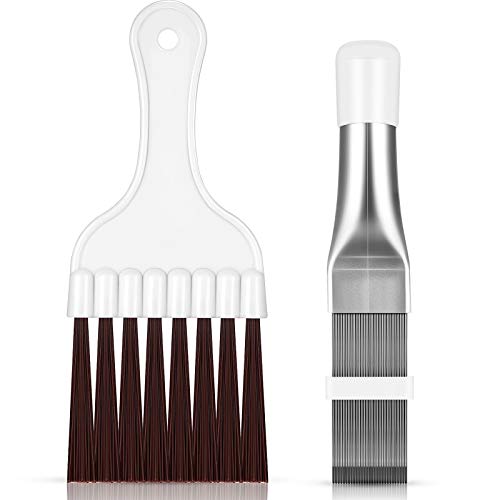
Boao 2 Pieces Air Conditioner Condenser Fin Comb and Fin Cleaning Brush | Air Conditioner Coil Cleaner, Refrigerator Coil Cleaning Whisk Brush, Evaporator Radiator Repair Tool
Check price on Amazon
SMOQIO 2 in 1 AC Coil Cleaner Brush Set for Condenser, Evaporator, HVAC | Safe Fin Cleaning with 135° Stainless Pins & Dusting Brush with High-density PET Bristles
Check price on Amazon
A-Premium Air Conditioning Condenser Compatible with Nissan & Suzuki | for Nissan Frontier 2005-2019, Pathfinder 2005-2007, Xterra 2005-2015 & Suzuki Equator 2009-2012 AC Condenser
Check price on Amazon
4Pcs AC Coil Cleaning Brush Set, Coil Cleaning Fin Brush for AC Unit, Air Conditioner Condenser Coil Cleaner, Evaporator Coil Cleaner, Fridge Cleaner Tool
Check price on Amazon
Boao 4 Pieces Air Conditioner Condenser Fin Comb and Fin Cleaning Brush | Air Conditioner Coil Cleaner, Refrigerator Coil Cleaning Whisk Brush, Evaporator Radiator Repair Tool
Check price on Amazon
Central Air Conditioner Covers for Outside Units 36'' x 36'', AC Mesh Covers for Outside Unit, AC Unit Cover Outdoor Air Conditioner Condenser Hvac Heat Pump Cover Breathable Top Universal Defender
Check price on AmazonDisclaimer
Some of the content on this site uses AI assistance. Information is provided for educational purposes only. We are not responsible for any losses resulting from the use of this information. By using this site, you waive any right to bring legal claims against us arising from your use of the information provided. If you do not agree, please do not use this site. Read the full disclaimer.