Clean Drain Pan Air Conditioner: Complete Guide to Prevent Mold & Water Damage
Discover how to clean your AC drain pan safely and effectively. Learn the tools you need, step-by-step cleaning methods, mold prevention strategies, and when to call a professional before small issues become major repairs.
START CLEANING GUIDEWhy the drain pan matters: The drain pan is one of the most overlooked components of any air conditioning system. It silently collects condensation removed from the air, and when it is neglected, it can become a breeding ground for mold, bacteria, and algae that clog the condensate line and cause water damage to ceilings, walls, and flooring. A clean drain pan is essential for healthy indoor air and reliable cooling performance.
What Is an AC Drain Pan and Why Does It Need Cleaning?
The drain pan (also called a condensate pan) is a shallow tray positioned beneath the evaporator coil in your indoor air handler or furnace. As warm household air passes over the cold evaporator coil, moisture condenses out of the air and drips into this pan. From there, the water flows through a condensate drain line to the outside or to a floor drain.
Over time, dust, dirt, and biological growth accumulate in the standing moisture. This creates a slimy biofilm that can:
- Block the condensate drain line and cause the pan to overflow
- Produce musty odors that circulate through your home
- Feed mold and bacteria growth that affects indoor air quality
- Rust or corrode metal pans, eventually leading to leaks
- Cause water damage to the ceiling, attic insulation, and drywall
Cleaning the drain pan on a regular schedule — typically every three to six months, and more often in humid climates — is one of the most effective preventive maintenance tasks a homeowner can perform. For a broader overview of cooling system upkeep, see our air conditioner condenser maintenance guide and our guide to cleaning evaporator coils.
Tools and Supplies You Will Need
Before you begin, gather the following items. Most are common household supplies, and none require specialized HVAC equipment for a basic clean.
Soft-bristle brush
An old toothbrush or small nylon brush for scrubbing corners and edges without scratching the pan surface.
Wet/dry vacuum
A shop vacuum is ideal for removing standing water and loosened debris from the pan and drain opening.
Mild detergent
Dish soap or a gentle all-purpose cleaner mixed with warm water for general cleaning.
White vinegar
An effective natural solution for breaking down mineral deposits and mild biological growth.
Rubber gloves
Protect your hands from dirty water, mold, and cleaning solutions.
Cleaning cloths
Microfiber cloths or paper towels for wiping and drying the pan thoroughly.
Flashlight
Essential for inspecting the pan interior and the drain line connection point.
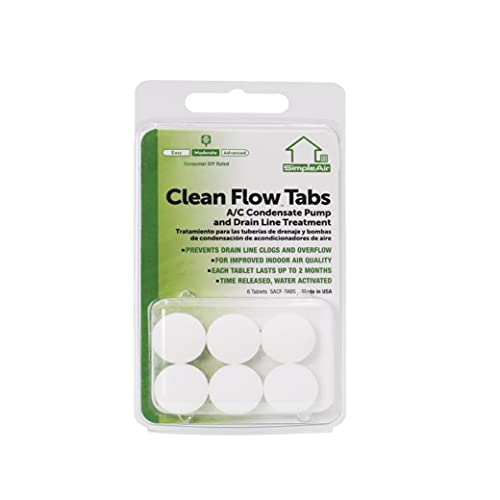
Pan treatment tablets
Optional slow-dissolving tablets that inhibit algae and bacterial growth between cleanings.
Step-by-Step: How to Clean the AC Drain Pan
Follow this sequence for a thorough and safe cleaning. If your system uses a sealed pan that cannot be removed, clean it in place following the same logic.
- Turn off the system. Switch the thermostat to OFF and cut power to the indoor air handler at the breaker panel. This prevents the blower from running and the coil from producing more condensation while you work.
- Locate and access the drain pan. Remove the air handler access panel. The pan sits directly beneath the evaporator coil. Use a flashlight to inspect for standing water, slime, rust, or debris.
- Remove standing water. Use a wet/dry vacuum or a sponge and towels to empty the pan. If the pan is removable and lightweight, you may lift it out carefully — but avoid disconnecting the drain fitting.
- Clear the drain line opening. Check the drain port for clogs. A wet/dry vacuum applied to the end of the drain line (outside the home) can often pull out blockages. Do not force a wire through the line from the pan side, as this can damage the fitting.
- Scrub the pan surfaces. Apply mild detergent or a vinegar-water solution and scrub all interior surfaces with a soft-bristle brush. Pay attention to corners, seams, and the area around the drain opening where biofilm collects.
- Rinse and dry thoroughly. Wipe away residue with a damp cloth, then dry the pan completely with a clean cloth. A dry pan discourages immediate regrowth and allows you to inspect for cracks or rust.
- Treat and reassemble. Optionally place an algae-inhibiting pan tablet in the pan according to the product instructions. Reinstall the pan and access panel, then restore power and test the system for proper drainage.
For problems that go beyond simple cleaning, such as persistent clogs or damaged pans, our AC not cooling troubleshooting guide and AC unit on but not blowing air guide can help you narrow down the cause.
Preventing Mold and Algae Growth Between Cleanings
Cleaning is only half the job. The following habits dramatically reduce the chance of the pan becoming a recurring problem:
- Schedule regular cleanings. Every three to six months is a practical baseline; in humid climates or during heavy cooling seasons, inspect monthly.
- Keep the condensate line clear. A slow drain keeps water standing in the pan longer. Flush the line periodically with water or vinegar.
- Replace air filters on time. A dirty filter reduces airflow, causing the coil to frost and drip more water. See our guidance on air filters for AC vents.
- Use pan treatment tablets. These slow-release tablets help inhibit biological growth, especially during humid months.
- Check for proper slope. The pan and drain line should slope toward the drain opening; standing water indicates a leveling problem.
- Inspect after heavy storms. High humidity and heavy rain can stress the drainage system and reveal issues early.
If you notice persistent dampness or musty smells despite cleaning, review our AC smells bad solution guide for additional diagnostics.
When to Call a Professional
DIY cleaning handles routine maintenance well, but some situations require a licensed HVAC technician:
- The pan is cracked, rusted through, or permanently deformed
- The drain line is repeatedly clogging despite cleaning
- Water is leaking from the air handler onto ceilings or floors
- The evaporator coil is heavily fouled or frozen
- There is visible mold growth beyond the pan area
- The system is not draining at all, even after flushing
A technician can inspect the coil, check refrigerant charge, and confirm that the condensate system is functioning correctly. If you need help finding qualified service, see our AC repair company guide and our guide on when to call an HVAC technician.
Drain Pan Cleaning Frequency at a Glance
| Home Environment | Recommended Frequency | Best For |
|---|---|---|
| Dry, low-humidity climate | Every 6 months | Routine seasonal maintenance |
| Average humidity, typical home | Every 3–4 months | Balanced preventive care |
| Humid climate or coastal area | Monthly inspection, clean every 1–2 months | High-moisture environments |
| Homes with pets or heavy dust | Every 2–3 months | Filter and pan hygiene |
Frequently Asked Questions
How often should I clean my AC drain pan?
Most homes benefit from cleaning every three to six months. In humid climates, homes with pets, or systems running continuously in summer, monthly inspection with cleaning every one to two months is more appropriate.
Can I clean the drain pan without removing it?
Yes. Many pans are fixed in place, and they can be cleaned in situ with a wet/dry vacuum, soft brush, and mild detergent. Remove the pan only if it is designed for removal and you can do so without stressing the drain fitting.
What causes water to stand in the drain pan?
Standing water usually indicates a clogged condensate line, a pan that is not properly sloped, or a drain opening blocked by biofilm. Clearing the line and confirming the pan slope typically resolves the issue.
Is bleach safe for cleaning the drain pan?
Diluted bleach can be used sparingly on metal pans to kill mold, but it is corrosive and can damage some plastics and rubber fittings. Vinegar is a gentler, widely recommended alternative for routine cleaning. Never mix bleach with vinegar or other acidic cleaners.
What are the signs that the drain pan needs professional attention?
Cracks, rust-through, persistent leaks, repeated clogs, and visible mold beyond the pan all warrant a professional inspection. Prompt service prevents water damage and keeps the system operating efficiently.
Does a dirty drain pan affect cooling performance?
Indirectly, yes. A clogged pan or drain line can trigger safety switches that shut off the system, and the associated moisture problems reduce indoor air quality. Keeping the pan clean supports reliable operation.
Keep Your Cooling System Healthy Year-Round
Pair drain pan cleaning with regular filter changes, coil cleaning, and seasonal inspections. Explore our recommended air conditioners below to find a system that is easier to maintain and built for long-term reliability.
VIEW RECOMMENDED UNITS