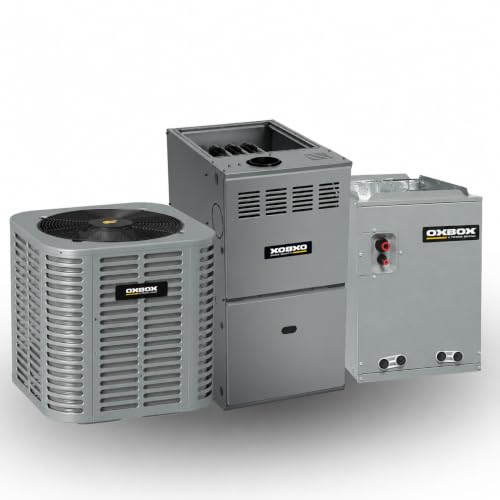
3 Ton Furnace and AC: The Complete Homeowner's Guide
Everything you need to know about choosing, sizing, and installing a 3 ton furnace and AC combo system for your home
START READINGThinking about a 3 ton furnace and AC system? This comprehensive guide walks you through capacity, efficiency ratings, installation considerations, and how to match the right system to your home. You will learn what a 3 ton unit actually means, whether it suits your square footage, and which features matter most for long-term comfort and energy performance.
What Does a 3 Ton Furnace and AC System Mean?
A "3 ton" rating refers to the cooling capacity of the air conditioner, not the weight of the equipment. One ton of cooling equals 12,000 BTU per hour (BTU/h). Therefore, a 3 ton air conditioner delivers approximately 36,000 BTU/h of cooling output. This capacity is designed for homes in the range of roughly 1,800 to 2,400 square feet, depending on climate, insulation quality, window area, and ceiling height.
The "furnace" component is the heating side of the system. A 3 ton furnace and AC package typically pairs a 3 ton condenser and evaporator coil with a gas furnace rated between 60,000 and 100,000 BTU/h input, depending on the climate zone and home construction. This combination gives you year-round comfort from a single integrated system.
For homes that need both heating and cooling, a matched 3 ton AC unit with gas furnace is one of the most common configurations in North American residential HVAC. The furnace handles winter heating while the air conditioner manages summer cooling, sharing the same ductwork and blower assembly.
Is a 3 Ton System Right for Your Home?
Sizing is the single most important decision when selecting a furnace and AC combination. A 3 ton system is generally appropriate for a home with the following characteristics:
- Living area between 1,800 and 2,400 square feet
- Moderate climate with average summer temperatures
- Standard ceiling height of 8 to 9 feet
- Adequate insulation and energy-efficient windows
- Two to four bedrooms with a typical open floor plan
Homes in hotter climates or with poor insulation may need a larger unit, while well-sealed homes with shaded windows may perform well with a smaller system. An oversized system cycles on and off too frequently, which reduces efficiency and shortens equipment life. An undersized system runs constantly and struggles to maintain comfortable temperatures during peak heat. Always insist on a Manual J load calculation before finalizing a 3 ton furnace and AC installation.
If you are still determining your ideal capacity, review our broader 30,000–36,000 BTU AC guide, which covers the range that includes 3 ton systems.
Efficiency Ratings That Matter
The cooling side of a 3 ton furnace and AC system is rated by SEER2 (Seasonal Energy Efficiency Ratio), while the heating side uses AFUE (Annual Fuel Utilization Efficiency). Modern minimum standards require SEER2 ratings of around 14.3 for split systems in most regions. Higher-efficiency models reach SEER2 values in the 16 to 20 range, which can significantly reduce summer energy consumption.
Furnaces are rated by AFUE, with standard models around 80% and high-efficiency condensing furnaces reaching 90–98%. A high-efficiency furnace recovers more heat from combustion gases, but it also requires different venting and condensate management. Understanding energy efficiency ratings like SEER, EER, and HSPF helps you compare systems on equal footing.
For many homeowners, the mid-tier efficiency range offers a solid balance between upfront equipment tier and long-term energy performance. Premium and top-tier systems cost more initially but may deliver lower monthly utility usage over the system's lifespan.
Components of a 3 Ton Furnace and AC Package
A complete system includes several matched components that must work together for reliable performance:
| Component | Function | Key Consideration |
|---|---|---|
| Condenser (outdoor unit) | Releases heat from the home | Look for durable construction and weather-resistant coating |
| Evaporator coil | Absorbs heat indoors | Must be matched to condenser capacity |
| Gas furnace | Provides winter heating | Choose AFUE rating based on climate and long-term goals |
| Ductwork | Distributes conditioned air | Proper sizing and sealing are critical |
| Thermostat | Controls temperature | A thermostat that controls heat and cool is essential |
Gas Furnace vs. Heat Pump: Which Pairing Is Better?
A traditional furnace and AC system uses a gas furnace for heating and a separate air conditioner for cooling. An alternative is a heat pump, which provides both heating and cooling by reversing the refrigerant cycle. A 3 ton heat pump split system can be highly efficient in moderate climates, while a gas furnace excels in regions with very cold winters.
Some homeowners choose a dual-fuel setup, pairing a heat pump with a gas furnace for backup heating during extreme cold. This hybrid approach can maximize efficiency across seasons. However, the added complexity means higher upfront equipment tier and more involved installation.
If you are comparing furnace brands, our overview of furnace companies provides context on manufacturer positioning and product lines.
Installation Considerations for a 3 Ton System
Proper installation determines whether your 3 ton furnace and AC system performs to its rated efficiency. Key factors include:
- Duct sizing: The duct system must handle the airflow required by a 3 ton system, typically around 1,200 CFM. Undersized ducts cause high static pressure and reduce efficiency.
- Refrigerant line length: Long line sets can reduce capacity if not properly accounted for during design.
- Electrical service: A 3 ton system may require a dedicated circuit and proper breaker sizing. Verify panel capacity before installation.
- Condensate management: High-efficiency furnaces produce condensate that must be routed to a drain or pump.
- Venting: Standard 80% furnaces use metal flue venting, while 90%+ condensing furnaces use PVC venting.
Choosing a qualified HVAC contractor is just as important as selecting the right equipment. Our guide to air conditioner companies can help you understand what to look for in a service provider.
Maintenance Tips to Extend System Life
Regular maintenance keeps a 3 ton furnace and AC system running efficiently and helps prevent premature failure. Recommended tasks include:
- Replace or clean air filters every one to three months
- Schedule professional inspections before cooling and heating seasons
- Keep the outdoor condenser unit clear of debris and vegetation
- Check condensate drain lines for clogs
- Inspect and clean evaporator coils periodically
- Verify thermostat settings and calibration
Neglecting maintenance can lead to refrigerant leaks, frozen coils, and compressor failures that require major repairs. An annual service plan is usually worthwhile for the long-term health of the system.
Common Signs Your Existing System Needs Replacement
If you already have a 3 ton furnace and AC system, watch for these indicators that it may be time for an upgrade:
- Frequent repairs and rising service calls
- Uneven cooling or heating between rooms
- Unusual noises from the furnace or condenser
- Higher energy usage compared to previous seasons
- Refrigerant leaks that recur
- System age beyond 15 years for AC or 20 years for furnace
When replacement becomes necessary, consider whether upgrading to a higher-efficiency model or switching to a different configuration makes sense for your long-term goals. Our article on most reliable central air conditioning systems can help you compare brands and product lines.
Frequently Asked Questions
How many square feet does a 3 ton AC cool?
A 3 ton air conditioner typically cools between 1,800 and 2,400 square feet, depending on climate, insulation, window area, and occupancy. A Manual J load calculation provides the most accurate sizing for your specific home.
What size furnace pairs with a 3 ton AC?
A 3 ton AC usually pairs with a gas furnace rated between 60,000 and 100,000 BTU/h input. The exact furnace size depends on climate zone, home insulation, and heating load requirements.
Is a 3 ton furnace and AC system energy efficient?
Efficiency depends on the specific SEER2 and AFUE ratings of the equipment. Mid-range systems typically offer solid efficiency, while premium and top-tier models deliver higher ratings and lower energy use over time.
How long does a 3 ton furnace and AC system last?
With proper maintenance, a 3 ton air conditioner typically lasts 15 to 20 years, while a gas furnace can last 20 to 25 years. Regular servicing and timely filter changes extend equipment life.
Should I replace my furnace and AC at the same time?
If both units are aging and approaching the end of their service life, replacing them together is often the most practical approach. A matched system ensures optimal efficiency and compatibility, and you avoid paying for labor twice.
What is the difference between a 3 ton AC and a 3 ton heat pump?
A 3 ton AC provides cooling only and relies on a separate furnace for heating. A 3 ton heat pump provides both heating and cooling by reversing the refrigerant cycle, making it a year-round solution in moderate climates.
Ready to compare options? Explore the recommended products below to see top-rated 3 ton furnace and AC systems, and check availability through our trusted affiliate partner. Learn first, understand your needs, then choose the right product.