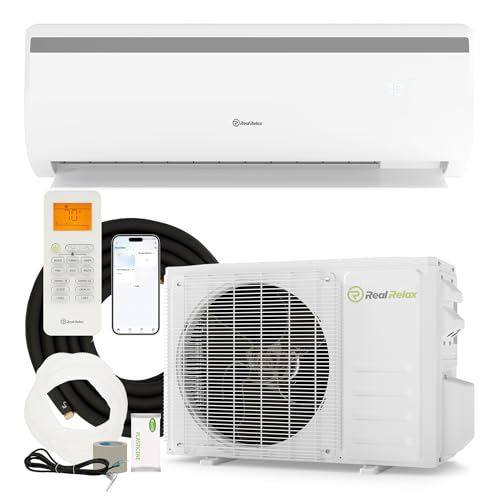
3 Ton Heat Pump Split System for Sale: The Complete Buyer's Guide
If you are shopping for a 3 ton heat pump split system for sale, this page gives you everything you need to choose confidently: sizing math, efficiency tiers, package contents, installation requirements, and the questions to ask before you order. No guesswork, no pressure — just clear, practical guidance.
Why a 3 ton heat pump is a popular match: At 36,000 BTU, a 3 ton split heat pump sits in the sweet spot for many single-family homes. It is large enough to handle open living areas and multi-zone ductwork, yet compact enough to stay efficient in moderate climates.
What this guide solves: Most buyers arrive here knowing they want a heat pump split system, but they are unsure whether 3 tons is the right capacity, which efficiency tier is worthwhile, and what actually ships inside a package. We answer those questions in order so you can move from research to checkout with clarity.
What Exactly Is a 3 Ton Heat Pump Split System?
A split system heat pump is a two-part HVAC setup. The outdoor unit — the condenser — houses the compressor and the outdoor coil. The indoor unit — an air handler or an evaporator coil paired with a furnace — moves conditioned air through your ductwork. The two halves are connected by refrigerant lines, which is why the system is called "split."
The "3 ton" label describes cooling capacity, not weight. One ton of cooling equals 12,000 BTU per hour, so a 3 ton unit delivers 36,000 BTU/h of cooling. Because it is a heat pump rather than a straight air conditioner, the same system reverses the refrigerant cycle in winter to heat your home. That dual function is what makes a 3 ton AC unit with gas furnace a different product category altogether — that setup relies on a furnace for heat, while a heat pump handles both seasons on its own.
In practical terms, a 3 ton heat pump split system is a whole-home solution. It is ducted, centrally controlled, and designed for year-round comfort. If you have been comparing it to ductless options, the 24000 BTU mini split air conditioner heat pump covers smaller zones and is a useful reference for understanding how capacity scales down in ductless formats.
Is 3 Tons the Right Size for Your Home?
Capacity is the single most consequential decision in this purchase. An undersized heat pump runs constantly and never fully satisfies the thermostat. An oversized one short-cycles, struggles to remove humidity, and puts extra wear on the compressor. Both outcomes undermine comfort and efficiency.
As a rough orientation, a 3 ton heat pump typically serves homes in the 1,500 to 2,100 square foot range. That range shifts with climate zone, ceiling height, window glazing, insulation quality, and how many people occupy the space. A tight, well-insulated home in a mild climate may land at the lower end. An older home with single-pane windows in a hot, humid region may push the upper end or even require more capacity.
The only reliable method is a Manual J load calculation, which accounts for square footage, orientation, insulation, infiltration, and internal heat gains. Many contractors provide this as part of a quote. If you want to understand the underlying math before speaking with anyone, start with our guide on how to size an air conditioner, then cross-check with the BTU calculator by room size for a quick sanity check.
Efficiency Tiers: How to Compare 3 Ton Heat Pumps Without Chasing Numbers
Instead of comparing raw specifications line by line, group models into market tiers. This keeps the decision structured and avoids getting lost in marginal differences. The table below uses a consistent classification system you can apply across brands.
| Tier | Typical SEER2 Range | Compressor Style | Best For | What to Expect |
|---|---|---|---|---|
| Essential Tier | 14.3 – 15.5 SEER2 | Single-stage | Mild climates, moderate runtime, straightforward retrofits | Solid build, fewer smart features, dependable performance within its class |
| Balanced Tier | 16 – 18 SEER2 | Two-stage | Most U.S. homes, mixed climates, buyers wanting quieter operation | Better humidity control, smoother temperature delivery, well-specified for the category |
| Premium Tier | 18 – 20 SEER2 | Inverter / variable-speed | Hot or cold extremes, homes with zoning, long-term ownership plans | Quiet outdoor operation, tighter temperature stability, competitive within its class |
| Top-Tier | 20+ SEER2 | Fully variable inverter | High-performance homes, rebate-driven purchases, maximum seasonal efficiency | Heavy-duty engineering, premium materials, good value for its tier over a long horizon |
Tier placement matters more than any single number because it reflects how the system behaves in real conditions. A balanced-tier two-stage unit often feels more comfortable than an entry-level single-stage unit even when both carry similar headline ratings, because staging reduces temperature swings. For a deeper explanation of the metrics themselves, see our breakdown of energy efficiency ratings: SEER, EER, and HSPF.
What Ships Inside a 3 Ton Heat Pump Split System Package
Packages vary by retailer and brand, but most complete listings include the following core components. Read the product description carefully — some listings sell the outdoor condenser alone.
- Outdoor heat pump condenser: The 3 ton, 36,000 BTU unit containing the compressor, outdoor coil, fan, and reversing valve.
- Indoor air handler or evaporator coil: Either a standalone air handler or a cased coil designed to sit on a furnace. Verify the match — mismatched components void efficiency ratings and warranties.
- Refrigerant line set: Copper tubing that connects indoor and outdoor units. Line length must be verified against the manufacturer's maximum allowable run.
- Thermostat: Some packages include a standard or programmable thermostat; smart thermostats are often optional. If you want app-based control, look for listings that mention it or plan to add one separately. Our guide on AC with Wi-Fi and smart control explains what to look for.
- Supplemental heat strips (optional): In colder climates, electric heat strips provide backup heat during defrost cycles or extreme cold snaps.
Installation Requirements You Should Confirm Before Buying
A heat pump is not a plug-and-play appliance. Installation involves electrical work, refrigerant handling, ductwork verification, and often a permit. Understanding these requirements before checkout prevents surprises on delivery day.
Electrical Capacity
A 3 ton heat pump typically requires a dedicated 240V circuit with a breaker sized to the unit's nameplate. Confirm your panel has available capacity and that wiring is correctly gauged. Our article on amps and breaker size for AC walks through the calculation.
Ductwork Condition
Existing ducts must be sized for 36,000 BTU of airflow and free of significant leaks. Poorly sealed ducts can waste a large share of the system's output. Review our guide on ductwork design and how to seal air ducts before installation.
Outdoor Placement
The condenser needs clearance for airflow, a level pad, and protection from snow accumulation. Placement affects efficiency and noise. See our recommendations on AC indoor and outdoor placement.
Permits and Licensing
Most jurisdictions require a mechanical permit for heat pump replacement. Refrigerant handling requires EPA Section 608 certification. Learn more in our guide on whether you need a permit for AC installation.
Because of these requirements, most buyers pair an online purchase with a licensed local installer. If you are unsure how to vet a contractor, our article on how to choose an HVAC contractor covers licensing, insurance, and quote comparison.
Your Pre-Purchase Checklist for a 3 Ton Heat Pump Split System
Run through these items in order. Each one closes a gap that commonly causes post-purchase frustration.
- Confirm capacity with a load calculation. Do not order based on square footage alone. A Manual J report is the foundation of the entire decision.
- Choose your efficiency tier deliberately. Match the tier to your climate severity, how long you plan to stay in the home, and whether local rebates reward higher SEER2 ratings. Our guide on HVAC tax credits and rebates explains how incentives interact with tier selection.
- Verify the package contents. Confirm the listing includes the indoor unit, line set, and thermostat — or budget to source them separately.
- Check AHRI matching. Ensure the condenser and indoor unit are a certified pair so the rated efficiency holds.
- Confirm electrical readiness. Have an electrician verify panel capacity and circuit requirements before the unit arrives.
- Line up installation. Secure a licensed contractor and confirm permit requirements in your area.
- Read the warranty terms. Understand what registration is required and whether online purchases are covered. Our AC warranty explained article breaks down common clauses.
How a 3 Ton Heat Pump Compares to Other Options
Buyers often evaluate a 3 ton heat pump alongside a few alternatives. Understanding the trade-offs sharpens your decision.
Versus a central AC plus furnace: A 3 ton AC unit with gas furnace separates cooling and heating into two systems. It can be the right call where natural gas is available and winters are severe, but it requires two pieces of equipment and two maintenance schedules. A heat pump consolidates both functions into one system.
Versus a 3 ton AC with heat pump installed: Some buyers compare a package deal that includes installation against a standalone online purchase. The 5 ton AC unit with heat pump installed page illustrates how installed packages are structured at a larger capacity, which helps you interpret what "installed" actually includes.
Versus smaller capacities: If your load calculation comes back below 36,000 BTU, consider a 2 or 2.5 ton system instead. The 24000 BTU air conditioner page covers the 2 ton class in detail, and the 30000–36000 BTU AC category page explains how the 2.5 and 3 ton range is organized.
Versus ductless: Ductless mini-splits avoid duct losses and allow zone-by-zone control, but they require multiple indoor heads for whole-home coverage. The 36000 BTU mini split page is the closest ductless equivalent to a 3 ton ducted system and is worth reading if you are weighing the two formats.
Frequently Asked Questions About 3 Ton Heat Pump Split Systems
How many square feet does a 3 ton heat pump cool?
A 3 ton heat pump (36,000 BTU) is typically sized for homes between 1,500 and 2,100 square feet, depending on climate zone, insulation, window area, and ceiling height. A proper Manual J load calculation is the only reliable way to confirm the exact capacity your home needs.
What does a 3 ton heat pump split system include?
A complete package usually includes an outdoor heat pump condenser, an indoor air handler or evaporator coil, a line set, and often a thermostat. Some packages ship with auxiliary electric heat strips for colder climates. Always verify the contents in the product listing.
Can a 3 ton heat pump both heat and cool a home?
Yes. A heat pump split system reverses the refrigerant cycle to provide cooling in summer and heating in winter. Modern inverter and variable-speed models maintain efficiency across a wide outdoor temperature range, and many work well down to 5°F or lower with supplemental heat.
Is a 3 ton heat pump too big for my house?
An oversized heat pump short-cycles, struggles to dehumidify, and wears out components faster. If your home is under roughly 1,400 square feet in a mild climate, a 2 or 2.5 ton system may be the better match. Always confirm with a load calculation before ordering.
What SEER2 rating should a 3 ton heat pump have?
For most U.S. regions, the DOE minimum for a split heat pump is 14.3 SEER2. Mid-range models reach 16 to 18 SEER2, while top-tier inverter systems exceed 20 SEER2. Higher SEER2 ratings generally mean lower long-term energy use and better eligibility for tax credits and rebates.
Do I need a permit to install a 3 ton heat pump?
Most jurisdictions require a mechanical permit for heat pump replacement or new installation. Requirements vary by state and municipality. Check with your local building department before scheduling installation, and confirm that your contractor will pull the permit on your behalf.
Ready to Compare 3 Ton Heat Pump Options?
You now have the framework: confirm capacity, choose a tier, verify package contents, and line up installation. The next step is to explore current listings and compare features side by side.
Explore Available Options