3 Ton Mini Split: The Complete Guide for Large Spaces
Understand sizing, efficiency, installation requirements, and the key factors to evaluate before choosing a 3-ton ductless system for your home or commercial space.
Quick overview: A 3-ton mini split delivers 36,000 BTU of cooling capacity, making it suitable for large open areas such as open-plan living spaces, great rooms, or small commercial zones. This guide covers what makes a 3-ton ductless system different, how to evaluate whether it fits your space, and what to look for when comparing models across the essential, balanced, and premium tiers.
What Is a 3 Ton Mini Split?
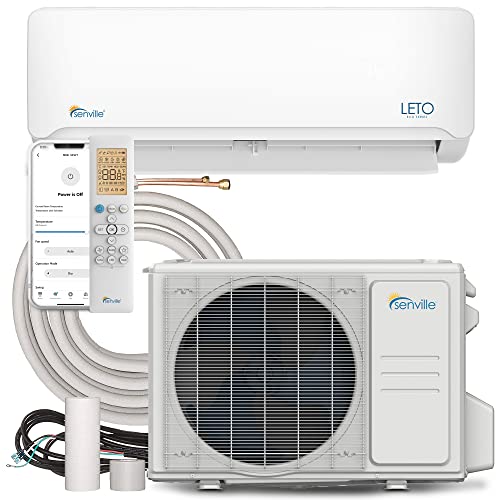
A 3-ton mini split is a ductless air conditioning system rated at 36,000 BTU per hour of cooling output. Unlike central air systems that rely on extensive ductwork, a mini split pairs an outdoor condenser with one or more indoor air handlers connected only by refrigerant lines and a communication cable. This design allows for zone-specific comfort, quieter operation, and often higher energy efficiency compared to ducted systems of similar capacity.
The "3-ton" designation is a common shorthand in the HVAC industry. It refers to the cooling capacity, not the physical weight of the equipment. Systems in this capacity class are typically used in spaces that exceed the practical range of smaller 1-ton or 2-ton mini splits, while remaining smaller than full commercial-grade units. If you are still exploring capacity options, you may want to compare this with a 24,000 BTU mini split to understand the step-up in performance and application.
A 3-ton ductless unit is an important consideration for homeowners and facility managers who need robust cooling in a defined zone without the complexity of retrofitting ducts. These systems are available in single-zone and multi-zone configurations, and many modern models include heat pump functionality for year-round climate control.
Who Should Consider a 3 Ton Mini Split?
Not every home needs a 3-ton system. Understanding whether this capacity class matches your space is the first step toward a smart decision. The following scenarios typically justify a 3-ton mini split:
- Open-plan living areas: A great room, combined kitchen and living space, or loft with high ceilings often requires more cooling capacity than a single-zone small unit can provide.
- Large single zones: A spacious master suite, a finished basement, or a sunroom with significant solar gain may fall into the 3-ton range.
- Small commercial spaces: Boutique retail stores, small offices, or studio spaces often benefit from a ductless system that can be installed without disrupting the building structure.
- Homes without ductwork: Older homes or additions that lack ducts can be cooled efficiently with a 3-ton mini split, avoiding the expense and disruption of duct installation.
- Multi-zone setups: In some multi-zone configurations, a 3-ton outdoor unit can support several indoor heads, each serving a different room.
If your space is closer to 1,000 square feet or less, a 3-ton system would likely be oversized, leading to short cycling and reduced dehumidification. For smaller areas, exploring a 12,000–14,000 BTU air conditioner or a 24,000 BTU cooling area guide is a more appropriate starting point.
How Many Square Feet Does a 3 Ton Mini Split Cool?
As a general rule of thumb, a 3-ton (36,000 BTU) mini split is sized for areas between roughly 1,500 and 2,000 square feet, depending on climate, insulation, ceiling height, window area, and occupancy. However, this is only a rough starting point. A proper sizing evaluation should account for the following factors:
| Factor | Impact on Sizing |
|---|---|
| Ceiling height | Higher ceilings increase the volume of air to be conditioned, requiring more capacity. |
| Insulation quality | Poor insulation allows heat gain, potentially requiring a larger system or improved envelope measures. |
| Window area and orientation | Large south- or west-facing windows add significant solar load. |
| Occupancy | More people generate more heat, affecting the cooling load. |
| Appliance load | Kitchens, home offices with equipment, and laundry areas add internal heat gains. |
| Climate zone | Hotter climates demand more capacity to maintain comfortable indoor temperatures. |
For a more precise estimate, a Manual J load calculation performed by a qualified HVAC professional is the recommended approach. This calculation considers the specific characteristics of your home and provides a reliable capacity target. For a broader understanding of how capacity relates to room size, the air conditioner sizing guide is a useful reference.
Single-Zone vs Multi-Zone 3 Ton Mini Split
A 3-ton mini split can be configured in two primary ways. The choice between single-zone and multi-zone depends on the layout of your space and how you want to control comfort.
Single-Zone Configuration
In a single-zone setup, one outdoor condenser connects to one indoor air handler. This is ideal for a large open area where a single point of cooling distribution can effectively condition the entire space. Single-zone systems are simpler to install and often more efficient because there is no distribution loss between zones. They are a strong choice for great rooms, open-plan layouts, and large commercial spaces with a single primary area.
Multi-Zone Configuration
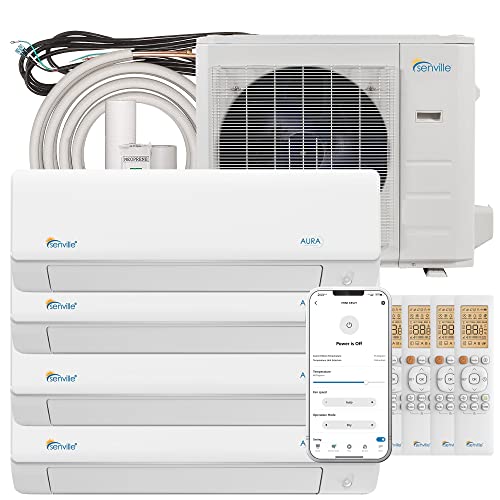
A multi-zone 3-ton system connects one outdoor unit to two or more indoor air handlers, each serving a separate room or zone. This allows individual temperature control in each zone, which can improve comfort and energy efficiency when different areas have different usage patterns. However, multi-zone systems require more complex installation, and the outdoor unit must be sized to handle the combined load of all indoor units. If you are considering a multi-zone approach, it is worth reviewing the ductless mini-split AC guide for a broader overview of how these systems work.
Efficiency Ratings to Evaluate
Efficiency is one of the most important factors when comparing 3-ton mini split models. Higher efficiency typically translates to lower energy consumption over the life of the system, which is a meaningful consideration for a unit of this capacity. The key ratings to understand are:
- SEER2: The updated Seasonal Energy Efficiency Ratio used in the United States. Higher SEER2 values indicate greater cooling efficiency over a typical cooling season. For a 3-ton system, even a modest difference in SEER2 can have a noticeable impact on annual energy use.
- EER2: The Energy Efficiency Ratio measured at a specific test condition. EER2 is useful for comparing performance on the hottest days when the system runs at full capacity.
- HSPF2: The Heating Seasonal Performance Factor, relevant if the mini split includes a heat pump function. Higher HSPF2 values indicate more efficient heating performance.
For a deeper explanation of these ratings, see the guides on SEER ratings and SEER vs SEER2 standards. When comparing 3-ton mini splits, look for models that meet or exceed ENERGY STAR thresholds, as these represent a strong baseline for efficiency in this capacity class.
Installation Considerations for a 3 Ton Mini Split
Installing a 3-ton mini split is more involved than installing a smaller window unit or portable air conditioner. The following factors should be part of your planning:
- Electrical requirements: A 3-ton system typically requires a dedicated 240V circuit with an appropriately sized breaker. Verifying your electrical panel capacity before installation is essential. The 110V vs 240V AC guide provides useful context on voltage requirements.
- Indoor and outdoor placement: The indoor air handler should be positioned for optimal air distribution, while the outdoor condenser needs adequate clearance for airflow and service access. Placement considerations are discussed in more detail in the AC indoor and outdoor placement guide.
- Line set length and routing: The refrigerant line set connects the indoor and outdoor units. Longer runs may require additional refrigerant charge and careful routing to maintain efficiency. The refrigerant line set guide explains length considerations.
- Permits and codes: Many jurisdictions require a permit for HVAC installation. Checking local requirements before work begins helps avoid delays. The AC permit guide offers a helpful starting point.
- Professional installation: Because a 3-ton system involves refrigerant handling and electrical work, professional installation is strongly recommended. The HVAC contractor selection guide can help you evaluate installers.
Features That Matter in a 3 Ton Mini Split
Beyond capacity and efficiency, several features can significantly affect your day-to-day experience with a 3-ton mini split. These features often distinguish entry-level models from mid-range and premium tier options:
| Feature | Why It Matters | Typical Tier |
|---|---|---|
| Inverter compressor | Modulates speed for precise temperature control and improved efficiency. | Mid-range and above |
| Heat pump function | Provides heating in cooler months, making the system a year-round solution. | Common in mid-range and premium |
| Wi-Fi and smart control | Allows remote control via smartphone and integration with smart home systems. | Mid-range and premium |
| Self-cleaning function | Reduces moisture buildup and helps maintain indoor air quality. | Premium tier |
| Quiet operation | Lower decibel levels are important in bedrooms and open living areas. | Varies by model |
| Multi-zone capability | Enables conditioning of multiple rooms from a single outdoor unit. | Depends on configuration |
When comparing models, consider which features align with your priorities. A mid-range 3-ton mini split often balances efficiency and features well, while premium models may include advanced filtration, more sophisticated smart controls, and quieter operation. For a broader look at feature-focused comparisons, see the guide on AC with Wi-Fi and smart control.
Maintenance for Long-Term Performance
Regular maintenance helps a 3-ton mini split retain its efficiency and reliability over time. Key maintenance tasks include:
- Cleaning or replacing filters: Clogged filters reduce airflow and efficiency. Check filters monthly during heavy use and clean or replace as needed. The AC filter cleaning guide provides step-by-step instructions.
- Cleaning coils: Both the evaporator and condenser coils should be cleaned periodically to maintain heat transfer efficiency. The guides on cleaning evaporator coils and cleaning condenser coils cover the process.
- Checking refrigerant levels: Low refrigerant can indicate a leak and reduce cooling performance. Refrigerant work should be handled by a licensed technician.
- Seasonal inspections: A professional inspection before the cooling season can catch issues early. The seasonal AC checklist is a practical reference.
If you notice performance issues such as the AC not cooling or water leaking from the unit, addressing them promptly can prevent more significant problems.
3 Ton Mini Split vs Other Cooling Options
Understanding how a 3-ton mini split compares to other cooling solutions helps clarify its role in the market:
- vs Central AC: A central air system uses ductwork to distribute cooled air throughout a home. A 3-ton mini split avoids duct losses and offers zone control but may not cool an entire home as evenly without multiple indoor units. The central air conditioning guide covers the trade-offs.
- vs Window AC: Window units are practical for individual rooms but are not designed for whole-area cooling at the 3-ton level. A 3-ton mini split offers superior efficiency, quieter operation, and better aesthetics for large spaces.
- vs Portable AC: Portable air conditioners are temporary solutions and are generally not available at 3-ton capacity. For permanent, high-capacity cooling, a mini split is the more suitable choice.
- vs Other Mini Split Capacities: A 3-ton system sits above the 2-ton class and below larger commercial systems. If your space is smaller, a 24,000 BTU mini split may be more appropriate; if larger, a multi-zone configuration or a larger system may be needed.
Common Mistakes to Avoid
Choosing and installing a 3-ton mini split involves several decisions where mistakes can be costly. Keep the following pitfalls in mind:
- Oversizing the system: A unit that is too large will short cycle, leading to uneven temperatures, poor dehumidification, and unnecessary wear. Always base sizing on a proper load calculation.
- Undersizing the system: A unit that is too small will struggle to maintain comfortable temperatures during peak heat, running continuously and consuming more energy.
- Ignoring insulation and air sealing: Even a well-sized system will underperform if the building envelope allows significant heat gain. Addressing insulation and air leaks improves comfort and efficiency.
- Skipping professional installation: Improper installation can void warranties, reduce efficiency, and lead to premature failure. A licensed HVAC contractor is essential for a system of this capacity.
- Neglecting maintenance: Regular filter cleaning and periodic professional service are necessary to keep the system operating efficiently over its lifespan.
Frequently Asked Questions
Is a 3 ton mini split suitable for a 2,000 square foot home?
It can be, depending on climate, insulation, and layout. A 3-ton system is often a reasonable starting point for 1,500–2,000 square feet, but a Manual J load calculation is the recommended way to confirm the right capacity for your specific home.
Can a 3 ton mini split heat and cool?
Many 3-ton mini splits include heat pump functionality, allowing them to provide both cooling and heating. If heating performance is important in your climate, check the HSPF2 rating and confirm the model's operating temperature range.
How many indoor units can a 3 ton mini split support?
In a multi-zone configuration, a 3-ton outdoor unit can support multiple indoor air handlers, though the total connected capacity must be within the manufacturer's specified range. The number of zones depends on the model and the load of each connected indoor unit.
What SEER2 rating should I look for in a 3 ton mini split?
Higher SEER2 ratings indicate greater efficiency. Look for models that meet or exceed ENERGY STAR thresholds for this capacity class. A qualified HVAC contractor can help you compare the long-term efficiency implications of different ratings.
Does a 3 ton mini split require a special electrical circuit?
Yes, most 3-ton mini splits require a dedicated 240V circuit. An electrician or HVAC professional should verify your electrical panel capacity and install the appropriate circuit before the system is commissioned.
How long does a 3 ton mini split last?
With proper installation and regular maintenance, a quality 3-ton mini split can provide many years of service. Lifespan depends on usage, climate, maintenance quality, and the durability of components. Following the manufacturer's maintenance schedule is key to longevity.
Ready to Compare 3 Ton Mini Split Options?
Explore recommended models and evaluate features, efficiency ratings, and configuration options to find the right fit for your space.
View Recommended Models