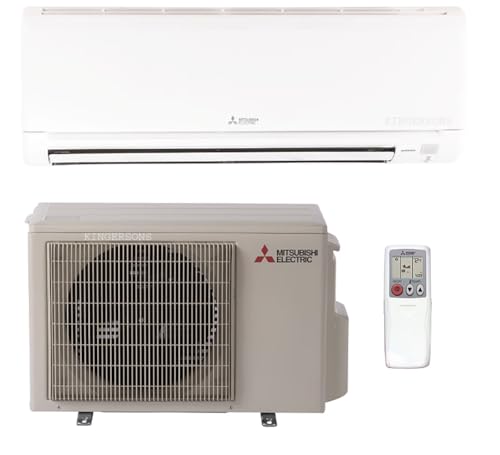
9000 BTU Cooling Area: How Much Space Can It Comfortably Cool?
A 9000 BTU air conditioner is one of the most popular capacities for bedrooms, home offices, and small living spaces. This guide explains the realistic cooling area, the factors that change coverage, and how to match a 9000 BTU unit to your room before you buy.
Quick answer: A 9000 BTU air conditioner typically cools a room of roughly 350 to 450 square feet under average conditions. Rooms with high ceilings, large sun-facing windows, weak insulation, or multiple occupants may need more capacity, while well-insulated, shaded rooms can perform comfortably at the lower end of that range.
9000 BTU Cooling Area at a Glance
Cooling capacity is measured in British Thermal Units (BTU) per hour. A 9000 BTU unit removes about 9000 BTUs of heat from a room every hour, which is enough to maintain comfortable temperatures in a defined space when heat gain is moderate. The table below summarizes typical coverage by room type so you can quickly judge whether this capacity fits your situation.
| Room Type | Typical Size Range | 9000 BTU Fit | Notes |
|---|---|---|---|
| Small bedroom | 100–200 sq ft | More than enough | Short run cycles may reduce efficiency in very small rooms; consider a lower capacity or inverter model. |
| Standard bedroom | 200–350 sq ft | Excellent fit | The most common use case for 9000 BTU units. |
| Primary bedroom | 350–450 sq ft | Good fit | Check sun exposure and ceiling height; add capacity for large windows. |
| Home office | 150–300 sq ft | Strong fit | Computers and monitors add heat; keep the unit away from direct equipment exhaust. |
| Studio / open living | 300–450 sq ft | Adequate | Open plans with kitchens generate more heat; consider one zone per area. |
| Living room (large) | 450+ sq ft | Usually insufficient | Step up to 12,000 BTU or higher for consistent comfort. |
The numbers above assume a standard ceiling height of about 8 feet and moderate climate conditions. They are a useful starting point, not a fixed rule. The next section explains the variables that shift real-world coverage up or down.
Factors That Change Real Coverage
Two rooms of the same square footage can need very different cooling capacities. Use the following factors to adjust your estimate before choosing a model.
1. Ceiling Height
Standard sizing assumes around 8-foot ceilings. If your ceiling is 10 feet or higher, the room contains significantly more air volume. As a practical adjustment, increase the required capacity by roughly 10% for every additional foot above 8 feet, or calculate by cubic feet instead of square feet.
2. Sun Exposure and Windows
Rooms with large south- or west-facing windows absorb substantial solar heat. Single-pane glass, unshaded windows, and skylights all push the heat load upward. Conversely, shaded rooms with energy-efficient glazing often cool comfortably at the lower end of the 9000 BTU range.
3. Insulation and Air Sealing
Well-insulated walls, sealed windows, and a properly weather-stripped door keep cooled air inside. Older homes with drafty windows or uninsulated walls lose cooling quickly, which can make a 9000 BTU unit feel underpowered even in a modest room.
4. Occupants and Heat Sources
Each person adds roughly 400 BTUs per hour of body heat. Kitchens, home gyms, and rooms with multiple computers or entertainment systems generate additional heat. If more than two people regularly occupy the room, or if heat-producing equipment runs continuously, plan accordingly.
5. Climate and Outdoor Temperature
A 9000 BTU unit performs differently in a mild coastal climate than in a hot, humid region. In very hot climates, the compressor runs longer and the effective cooling area shrinks. In moderate climates, the same unit may comfortably cover the upper end of the range.
Important: If your room sits near the boundary of the coverage range — for example, 430 to 450 square feet with sun exposure — consider stepping up to a 12,000 BTU unit instead of pushing a 9000 BTU model to its limit. An oversized unit is easier to manage than an undersized one that never reaches the set temperature.
9000 BTU by AC Type
Capacity is only one part of the decision. The type of air conditioner determines how that capacity is delivered, how efficiently it runs, and how much installation work is involved. Here is how 9000 BTU units perform across the main categories.
9000 BTU Mini Split
Best for bedrooms, home offices, and additions without ductwork. Inverter-driven mini splits modulate compressor speed, which delivers steadier temperatures and strong efficiency across long cooling seasons. Quiet indoor operation makes them a strong fit for sleeping areas.
9000 BTU Window AC
A practical choice for single rooms where a window installation is possible. Window units at this capacity cool efficiently and are straightforward to install, but they block part of the window and produce more indoor noise than a mini split.
9000 BTU Portable AC
Useful for renters or rooms where window or wall installation is not permitted. Portable units need exhaust venting through a window or wall, and their effective cooling is slightly lower than window or mini split units of the same rating because of duct heat gain.
9000 BTU Through-the-Wall
A permanent solution for rooms where window space is limited. Through-the-wall units offer a cleaner look and free up the window, but they require wall modification and are best planned before construction or renovation.
If you are still weighing form factors, the guide to the 9000 BTU mini split explains how ductless systems compare with window and portable options, while the 9000 BTU ductless mini split with heat pump covers year-round heating and cooling in one unit.
Too Big or Too Small? Why Sizing Matters
Choosing by square footage alone is a common mistake. Both oversized and undersized units create problems that affect comfort and energy use.
When the unit is too small
- The compressor runs continuously without reaching the set temperature on hot days.
- The room feels humid because the unit cannot remove moisture effectively during long, partial-load operation.
- Wear on the compressor increases, which can shorten the unit's service life.
- Energy consumption rises because the system never reaches a stable cycling pattern.
When the unit is too large
- The room cools quickly but the compressor short-cycles, turning on and off repeatedly.
- Short cycles remove less humidity, leaving the room feeling cool but clammy.
- Frequent starts and stops put stress on electrical components and the compressor.
- Temperature swings become noticeable because the unit cannot modulate output.
Inverter models reduce the risk of short cycling because they can run at partial capacity. Fixed-speed models are more sensitive to sizing errors, so matching capacity carefully matters more with those units. For a deeper look at how capacity and room size interact, see the 8000 BTU air conditioner room size guide and compare how the next capacity step behaves.
Selection Checklist Before You Buy
Use this checklist to confirm that a 9000 BTU unit is the right fit for your space. Each point corresponds to a decision that affects comfort and long-term performance.
- Measure the room in square feet. Multiply length by width. If the result falls between 350 and 450 sq ft, 9000 BTU is a reasonable starting point.
- Check ceiling height. Above 8 feet, adjust capacity upward or calculate by cubic volume.
- Count windows and note their orientation. South- and west-facing rooms with large glass areas need more capacity.
- Assess insulation and drafts. Older windows and uninsulated walls reduce effective coverage.
- Identify heat sources. Kitchens, home gyms, and rooms with multiple electronics generate extra heat.
- Decide on AC type. Mini split for quiet, efficient long-term use; window for straightforward installation; portable for rental flexibility.
- Confirm electrical requirements. Most 9000 BTU units run on 115V, but check the product specification before installation.
- Look for inverter technology if the unit will run for long hours. Variable-speed compressors maintain temperature more steadily and use energy more efficiently.
- Check the SEER2 rating if efficiency is a priority. Higher ratings generally indicate better performance per unit of electricity.
- Plan the installation location. Indoor and outdoor placement affects airflow, noise, and drainage.
For rooms just above the 9000 BTU range, the 12,000–14,000 BTU AC category is the natural next step. If your room is smaller and you want to compare options at the lower end, the 8000 BTU room size breakdown provides a useful reference point.
Installation and Placement Tips
Even a correctly sized unit underperforms if it is installed in the wrong location. These placement principles apply across window, portable, and mini split systems.
Airflow and obstructions
Keep the indoor air outlet clear of curtains, furniture, and shelving. Blocked airflow causes the unit to sense a false temperature and can lead to short cycling or uneven cooling. For outdoor units, maintain at least two feet of clearance around the condenser for proper heat rejection.
Sun and shade
Shading the outdoor condenser or the window unit from direct sun improves efficiency. A shaded condenser rejects heat more effectively, which reduces compressor workload during peak afternoon hours.
Sealing the installation
Window and through-the-wall units must be sealed around the frame to prevent outside air from entering. Portable units need a secure window kit so exhaust air does not leak back into the room. Poor sealing is one of the most common reasons a properly sized unit feels weak.
Drainage
Condensate must drain properly. Window units typically drain to the exterior, while portable units require manual emptying or a continuous drain hose. Mini splits use a condensate line that must slope correctly to avoid water backup.
If you are comparing installation effort across categories, the 9000 BTU window air conditioner with heat page covers the window-unit approach, while ductless options are detailed in the mini split overview.
Efficiency and Long-Term Use
A 9000 BTU air conditioner is often used for many hours per day during the cooling season, so efficiency affects both energy use and comfort over time. Two specifications matter most.
Inverter vs fixed-speed
Inverter compressors adjust speed continuously instead of cycling on and off. In a bedroom or office where the unit runs for long stretches, this produces steadier temperatures, quieter operation, and better humidity control. Fixed-speed units are simpler and typically sit in the entry-level tier, but they rely on correct sizing to avoid short cycling.
SEER2 and energy performance
SEER2 is the current efficiency metric for air conditioners. A higher SEER2 rating indicates that the unit delivers more cooling per unit of electricity under standardized test conditions. For units used daily, the difference in annual energy use between efficiency tiers is meaningful. If efficiency is a priority, look for models with higher SEER2 ratings and features like eco mode or programmable timers.
Practical tip: Pair your 9000 BTU unit with a ceiling fan and a programmable schedule. Running the fan alongside the AC lets you set a slightly higher thermostat temperature without losing comfort, which reduces compressor run time. Shading windows during peak sun hours also lowers the heat load the unit must handle.
For complementary maintenance advice, the AC maintenance guide covers filter cleaning, coil care, and seasonal checks that keep a 9000 BTU unit performing at its rated capacity.
Frequently Asked Questions
What is the cooling area for a 9000 BTU air conditioner?
Is 9000 BTU enough for a bedroom?
What size room will a 9000 BTU mini split cool?
Does a 9000 BTU AC use a lot of electricity?
Can a 9000 BTU air conditioner cool two rooms?
Should I choose a higher capacity unit to be safe?
Ready to Compare 9000 BTU Air Conditioners?
Now that you know the realistic cooling area for a 9000 BTU unit, you can evaluate models by type, efficiency, and installation requirements with confidence. Browse recommended units below or explore related guides to refine your choice.
View Recommended UnitsRecommended 9000 BTU Air Conditioners
⚠️ AFFILIATE DISCLOSURE: This website contains affiliate links. As an Amazon Associate, we earn from qualifying purchases. If you make a purchase through these links, we may receive a small commission at no additional cost to you. Read our full affiliate policy.

Garvee 9000 BTU Mini Split AC w/Remote Control19 SEER2 Cools Up to 450 Sq. Ft,Ductless Inverter Mini Split System w/0.75 Ton Heat Pump Pre-Charged & Installation Kit, Ultra-Quiet
Check price on Amazon
Midea 9,000 BTU ASHRAE Portable Air Conditioner, Cools up to 250 Sq. Ft. | 6,000 BTU SACC Portable AC, Smart APP & Remote Control, with Dehumidifier & Fan mode, Window Kit, Easy-to-use and Install
Check price on Amazon
Gree R32 9,000 BTU 38 SEER SAPPHIRE Wall Mount Ductless Mini Split Air Conditioner Heat Pump 208/230V
Check price on Amazon
Hisense Smart SACC 8,000 BTU Cool / 9,000 BTU Heat - Dual Hose Portable Air Conditioner with Heat Pump, 550 sq.ft., 4 modes (Cool, Heat, Fan, Dehumidifier), White - AP55023HR1GD
Check price on Amazon