AC Dampers: The Complete Guide to Airflow Control and Zoning
Understand how AC dampers regulate airflow, improve energy efficiency, and enable room-by-room comfort through smart HVAC zoning
START LEARNINGWhy AC Dampers Matter: Your air conditioner may be perfectly sized, yet some rooms feel like an icebox while others stay warm. The culprit is often airflow distribution, not cooling capacity. AC dampers are the small but powerful components inside your ductwork that decide where conditioned air goes and how much reaches each room. Understanding them is essential before investing in zoning, duct upgrades, or a new HVAC system.
What Is an AC Damper?
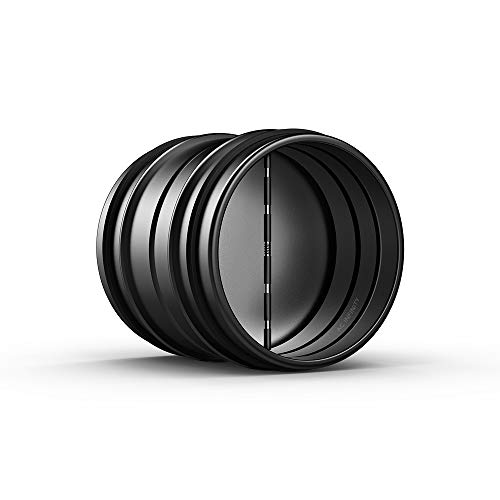
An AC damper is a mechanical valve installed inside the ductwork of a heating, ventilation, and air conditioning system. Its purpose is simple in concept but powerful in practice: it opens, closes, or partially restricts the passage of air to control how much conditioned air reaches a given area.
Think of dampers as traffic signals for your duct system. Without them, air follows the path of least resistance, which often means the rooms closest to the air handler get the most airflow while distant rooms starve. A properly placed damper restores balance by forcing air to travel where it is needed.
Dampers appear in both residential and commercial HVAC systems. In homes, they are most commonly associated with zoned air conditioning, where a single system serves multiple areas with different comfort requirements. In commercial buildings, larger damper assemblies also regulate fresh-air intake and exhaust, but the residential focus here is on supply-air balancing and zone control.
Key point: Dampers do not cool air. They direct it. The cooling itself happens at the evaporator coil. A damper only decides how much of that cooled air enters each branch of ductwork.
If your home has hot and cold spots, a stuck or poorly adjusted damper is one of the first things an HVAC technician will check. For a broader look at airflow problems, see our guide on why an air conditioner runs but fails to cool.
Types of AC Dampers
Dampers come in several designs, each suited to different duct sizes, control strategies, and installation constraints. The most common categories are described below.
Blade Dampers
A single flat blade rotates on a shaft to open or close the duct. Blade dampers are the most recognizable type found in residential branch ducts. They are simple, robust, and easy to adjust by hand.
Butterfly Dampers
Two circular blades pivot toward each other, similar to a butterfly valve in plumbing. These are often used in round ductwork and offer good sealing characteristics when fully closed.
Louver Dampers
Multiple horizontal or vertical slats rotate together. Louver designs are common at fresh-air intakes and in larger commercial ducts where precise modulation is needed.
Guillotine Dampers
A flat plate slides across the duct opening. Guillotine dampers are typically found in larger rectangular ducts and industrial applications where full shutoff is required.
Pressure-Relief Dampers
These bypass dampers open automatically when static pressure in the duct rises too high, protecting the blower and preventing noise. They are especially relevant in zoned systems where closing several zone dampers can create excess back pressure.
Fire and Smoke Dampers
Though not used for comfort control, fire dampers and smoke dampers are code-required safety devices that close automatically during a fire to prevent the spread of flames and smoke through ductwork. They are distinct from comfort dampers and are inspected separately.
For residential comfort balancing, blade and butterfly dampers dominate. Motorized versions of these same designs are used in automated zoning systems, which we cover next.
Manual vs Motorized Dampers
The most consequential decision for a homeowner is whether to rely on manual dampers or invest in motorized, automatically controlled dampers. Both have legitimate roles, and the right choice depends on how much control you want and how often comfort needs change.
| Feature | Manual Dampers | Motorized Dampers |
|---|---|---|
| Adjustment method | Hand lever on the duct | Electric actuator driven by thermostat or zone controller |
| Control granularity | Set once, stays fixed until manually changed | Dynamic, responds to temperature calls in real time |
| Best for | Seasonal balancing, single-zone homes, starter tier setups | Multi-zone homes, room-by-room comfort, smart HVAC integration |
| Complexity | Essential tier, easy to understand and adjust | Mid-tier to high-end tier, requires controller and wiring |
| Maintenance | Minimal; check lever and blade movement | Actuator inspection, controller diagnostics, occasional replacement |
| Compatibility | Works with any forced-air system | Requires compatible zoning panel or smart thermostat ecosystem |
When Manual Dampers Make Sense
Manual dampers are a solid choice for homeowners who want to correct seasonal imbalances once or twice a year. For example, closing dampers to a finished basement in summer and opening them in winter is a classic use case. They are also the default in many existing homes where ductwork was balanced at installation and has not been revisited since.
The limitation is that manual dampers cannot adapt to changing conditions. If a room is unoccupied, the damper stays open unless someone physically closes it, wasting conditioned air.
When Motorized Dampers Make Sense
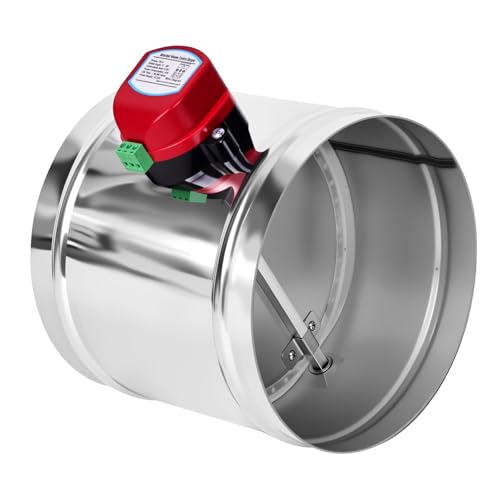
Motorized dampers shine in homes with distinct zones: upstairs versus downstairs, bedrooms versus living areas, or a home office used only during the day. Paired with a zone controller and separate thermostats, they automatically close off zones that have reached setpoint and redirect airflow to zones that still need cooling.
This automation is the backbone of zoned air conditioning and zoned HVAC systems. If you are exploring mini-split zoning as an alternative, see zone cooling with mini-split systems.
Practical tip: Even in a motorized zone system, manual dampers are sometimes installed on individual branches for fine-tuning after the automatic zones are set. The two approaches can coexist.
How Dampers Enable HVAC Zoning
Zoning divides a home into separate comfort areas, each with its own thermostat and damper control. The dampers are the physical mechanism that makes zoning possible. Without them, a zone controller would have no way to act on temperature differences between areas.
Components of a Zoned Damper System
- Zone thermostats: One per zone, each reporting temperature and calling for cooling or heating independently.
- Zone controller panel: The brain that receives thermostat signals and decides which dampers to open or close.
- Motorized zone dampers: Installed in each supply branch serving a zone, they open or close on command.
- Bypass damper: Relieves excess static pressure when multiple zone dampers close at once, protecting the blower and preventing noise.
How the Sequence Works
When the upstairs thermostat calls for cooling, the zone controller opens the upstairs damper and may close or leave partially open the downstairs damper. The air handler and condenser run as normal, but the cooled air is directed primarily to the zone that needs it. Once the upstairs thermostat is satisfied, the controller adjusts dampers accordingly.
This sequence reduces the common problem of overcooling one area to satisfy another. For related duct and pressure topics, see our guide on wrapping ductwork and AC ductwork replacement considerations.
Design Considerations
Zoning is not simply a matter of adding dampers. The duct system must be sized to handle reduced airflow when zones close. A bypass damper is often necessary. And the equipment itself must tolerate variable airflow, which is why variable-speed air handlers pair well with zoning. If the system is not designed for zoning, adding dampers can create more problems than it solves.
Dampers and Energy Efficiency
Dampers influence efficiency in two distinct ways: by reducing the volume of conditioned air delivered to unused spaces, and by improving the balance of the system so it runs closer to its design parameters.
Reducing Waste in Unused Rooms
If a guest room, formal dining room, or basement is rarely occupied, continuously cooling it wastes energy. Closing the damper to that branch reduces the cooling load the system must meet. In a zoned system, this happens automatically. With manual dampers, it requires a deliberate seasonal adjustment.
Improving System Balance
An unbalanced system often runs longer than necessary because one stubborn room never reaches setpoint. By redirecting airflow to that room, dampers can shorten run times and reduce cycling. This is the same principle behind an air conditioner running constantly without cooling effectively.
Caution: Closing too many dampers at once can raise static pressure and reduce airflow across the evaporator coil, leading to frozen coils and compressor stress. Always leave a minimum number of branches open or install a bypass damper. See our guide on frozen coils for symptoms of restricted airflow.
Dampers are not a substitute for proper insulation, air sealing, or equipment sizing. They are a distribution tool. Their efficiency benefit is real but secondary to the fundamentals of building envelope and HVAC design.
Installation and Placement
Where a damper is installed matters as much as which type is chosen. Poor placement can make a damper ineffective or create noise and pressure problems.
Typical Placement Points
- Branch takeoffs: The most common location, just after a supply branch leaves the main trunk. This allows individual room control.
- Zone trunks: On the main duct serving an entire zone, used in zoned systems to control a group of rooms together.
- Main trunk: Occasionally used for overall system balancing, though less common in residential setups.
- Bypass duct: A dedicated damper that opens to relieve pressure when zone dampers close.
Installation Requirements
Dampers must be accessible for adjustment or service. A manual damper buried behind drywall is useless. Motorized dampers need low-voltage wiring to the zone controller and should be positioned so the actuator can be reached for diagnosis or replacement.
For motorized installations, the actuator orientation and linkage must match the damper manufacturer's specification. Incorrect linkage can prevent full closure or cause the actuator to stall. If you are evaluating whether a project requires professional help, our guide on AC actuator replacement illustrates the kind of service work involved.
Permits and Codes
Adding motorized zoning to an existing system may require a permit depending on local code. Fire and smoke dampers are strictly regulated and must be installed and inspected by qualified professionals. Comfort dampers are less regulated, but any modification to ductwork should follow local mechanical code.
Troubleshooting Common Damper Issues
Damper problems often masquerade as equipment failures. Before assuming the AC is broken, check the dampers.
Symptoms and Likely Causes
- One room never cools: Damper may be stuck closed, disconnected from its actuator, or the lever may have been moved accidentally.
- Room too cold while others are warm: Damper may be stuck open or the system is unbalanced.
- Whistling or whooshing noise: A damper partially closed can create turbulence and noise. Check for a damper that is neither fully open nor fully closed.
- Zone thermostat not responding: Actuator may have failed, wiring may be loose, or the zone controller may need resetting.
- Frozen evaporator coil: Too many dampers closed, reducing airflow below safe levels.
Diagnostic Steps
For manual dampers, locate the lever on the duct and verify its position. Parallel to the duct usually means open; perpendicular means closed. For motorized dampers, listen for actuator movement when the thermostat calls. If no movement occurs, check the wiring at the zone panel and the actuator itself.
If the damper moves but the room still does not cool, the problem may be elsewhere: blocked registers, crushed duct, or refrigerant issues. Our guides on an air conditioner on but not blowing cold air and AC not blowing cold air in the house cover the broader diagnostic path.
Maintenance Tips
Dampers are low-maintenance components, but neglect can lead to stuck blades, failed actuators, and comfort complaints that are easy to prevent.
- Inspect seasonally: At the start of cooling and heating seasons, check that accessible manual dampers move freely.
- Listen during thermostat calls: Motorized dampers should open and close quietly. Grinding or clicking suggests actuator wear.
- Keep ducts clean: Debris can jam damper blades. Regular filter changes and occasional duct inspection help. See our guide on AC unit filters.
- Check actuator wiring: Loose low-voltage connections are a common cause of zone failure.
- During annual service: Ask the technician to verify damper operation and bypass function if you have a zoned system. Our guide on air conditioner service and maintenance covers what a thorough visit includes.
Long-term investment perspective: A motorized zone damper that is properly maintained can last many years. Actuators are the wear item and are replaceable without removing the damper body in most designs.
What to Look For When Choosing Dampers
Whether you are replacing a failed damper or planning a new zoning installation, the selection criteria below help you compare options within each tier.
Selection Criteria
- Duct shape and size: Round, rectangular, or oval. Dampers must match the duct cross-section and be sized to the exact diameter or dimensions.
- Blade material: Galvanized steel is standard. High-grade steel or stainless options offer better corrosion resistance in humid environments.
- Sealing quality: Look for gasketed blades if tight shutoff matters, especially in zoned systems where leakage undermines zone separation.
- Actuator compatibility: Motorized dampers must match the voltage and control signal of your zone panel (commonly 24V AC).
- Accessibility features: Manual levers should be reachable. Actuators should be serviceable without cutting ductwork.
- Noise characteristics: Premium dampers with reinforced blades and tight tolerances tend to be quieter at partial openings.
Tier Guidance
Entry-level manual dampers are entirely adequate for basic seasonal balancing. Mid-range motorized dampers with standard actuators serve most residential zoning needs. Top-tier and commercial-grade dampers offer tighter seals, heavier actuators, and better performance in large or high-static systems. The right tier depends on the system, not on a desire to over-specify.
If you are weighing damper upgrades against other duct improvements, our guide on wrapping ductwork explains how insulation and sealing complement airflow control.
Ready to Take Control of Your Home's Airflow?
Explore our recommended AC dampers and zoning components below to find the right fit for your duct system and comfort goals.
Frequently Asked Questions
What is an AC damper?
An AC damper is a movable plate or blade inside the ductwork that regulates the volume of conditioned air flowing into a specific room or zone. It can be adjusted manually or driven by a motorized actuator controlled by a thermostat or zone controller.
What is the difference between manual and motorized dampers?
Manual dampers are adjusted by hand using a lever on the duct and stay in a fixed position until someone changes them. Motorized dampers are equipped with an actuator that opens or closes them automatically based on thermostat calls, enabling true zoned comfort control.
Can AC dampers improve energy efficiency?
Yes. By directing conditioned air only to occupied zones and closing off unused rooms, dampers reduce the load on the system, shorten run times, and can lower energy consumption compared with cooling every room equally.
How do I know if my damper is open or closed?
Manual dampers usually have a visible lever or handle aligned with the duct. When the handle is parallel to the duct, the damper is open; when perpendicular, it is closed. Motorized dampers often have an indicator on the actuator or can be checked through the zone controller status.
Do dampers need maintenance?
Dampers benefit from periodic inspection. Check that blades move freely, actuators respond to thermostat signals, and there is no debris or corrosion. During annual HVAC service, a technician can verify damper operation and lubricate moving parts where applicable.
Continue learning: If your damper investigation is part of a larger comfort problem, explore our guides on zoned HVAC systems, compressor cycling, and AC on but house not cooling.