
AC Ductwork Replacement: What to Expect & How to Plan
Understand the duct replacement process, materials, efficiency gains, and the decision points that matter before you commit to a new duct system.
EXPLORE THE PROCESSDuctwork is the circulatory system of a central air conditioner. When ducts leak, sag, or are undersized, even a well-maintained condenser struggles to deliver comfortable air. A growing number of homeowners researching AC ductwork replacement are not shopping for a new outdoor unit at all — they are trying to solve uneven cooling, dusty rooms, and rising energy usage that trace back to aging duct runs. This guide explains what the project actually involves, how to evaluate whether replacement is the right move, and how to plan a durable system that performs for decades.
Planning principle: Ductwork replacement is a design project, not a parts swap. The best outcomes come from measuring airflow requirements first, then selecting materials and routing that match the home — not from simply copying the existing layout.
Signs Your Ductwork May Need Replacement
Not every duct problem requires a full tear-out. Sealing and targeted repairs often extend the life of a system for years. Replacement becomes the stronger option when structural integrity is compromised across multiple runs. Watch for these indicators:
- Visible deterioration: crushed flex duct, torn insulation jackets, disconnected joints, or rusted galvanized sections.
- Persistent dust: dust trails near supply registers often point to leaks pulling attic or crawlspace air into the stream.
- Uneven temperatures: rooms far from the air handler stay warm while nearby rooms overcool — a classic sign of pressure loss and poor balancing.
- Whistling or rattling: noise at registers can indicate undersized ducts or loose internal liners.
- Rising energy usage: a system that runs longer to reach setpoint may be losing conditioned air before it arrives.
- Age and material history: older duct board or unsealed metal systems built before modern sealing standards often warrant a full evaluation.
If you are already troubleshooting airflow symptoms, our guides on why an AC is on but the house is not cooling and an AC running but not lowering temperature help separate equipment faults from distribution problems.
The Ductwork Replacement Process Step by Step
A professional replacement follows a predictable sequence. Understanding it helps you ask better questions and spot shortcuts.
- Assessment and load review: the contractor measures the home, reviews the existing equipment capacity, and may perform a room-by-room load calculation to confirm airflow targets.
- Duct design: trunk and branch sizing, register locations, and return paths are mapped. Good design minimizes bends and keeps static pressure within equipment limits.
- Removal and access: old ducts are removed through attic, crawlspace, or ceiling openings. Some drywall patching may be required depending on routing changes.
- Installation: new ducts are hung, sealed at every joint with mastic or approved tape, and insulated to local code minimums.
- Balancing and testing: airflow is measured at each register, dampers are adjusted, and a leakage or pressure test confirms the system performs as designed.
- Cleanup and walkthrough: debris is removed and the homeowner receives documentation of the layout and test results.
If your project also involves equipment-side components, related guides on air conditioner plenums and AC dampers explain how those parts integrate with a new duct layout.
Duct Materials Compared
Material choice drives durability, noise, and long-term performance. The table below uses a consistent tier framework so you can compare options without relying on fluctuating figures.
| Material | Market Tier | Best For | Notes |
|---|---|---|---|
| Insulated flexible duct | Entry-level | Tight retrofits, short runs | Fast to install; must be pulled taut and kept free of sharp bends to preserve airflow. |
| Sealed galvanized steel | High-end tier | Long trunk runs, whole-home systems | Durable construction with a solid build; requires external insulation in unconditioned spaces. |
| Duct board | Mid-tier | Rectangular runs with limited clearance | Integrated insulation and low noise; needs careful sealing at all cut edges. |
| Pre-insulated rigid panels | Premium | High-performance new builds | Excellent thermal performance; professional-grade fabrication is essential for tight joints. |
Regardless of material, sealing quality matters more than the product label. A mid-tier system installed with meticulous joint sealing will outperform a premium material installed carelessly. For existing systems that only need tightening, our duct wrapping guide covers insulation upgrades that can complement partial replacement.
What Determines the Scope of a Duct Replacement Project
Homeowners often ask what drives the overall project size. Because every home is different, the most useful answer is a breakdown of the variables that contractors evaluate:
- Home size and number of zones: a single-story ranch with a compact trunk line is a smaller project than a two-story home with separate zones.
- Accessibility: open attic space and tall crawlspaces speed up work; finished ceilings and tight chases add labor and patching.
- Duct routing: relocating registers or adding returns changes the material count and design effort.
- Material selection: entry-level flex and high-end sealed steel sit at different points in the project budget spectrum — see the tier table above.
- Code requirements: insulation R-values, fire-rated materials, and sealing standards vary by jurisdiction and affect material quantities.
- Equipment compatibility: if the air handler is near the end of its service life, coordinating both projects can reduce overall disruption.
For households evaluating whether to repair or replace related components, our overview of compressor repair considerations and compressor replacement helps frame the equipment side of the decision. If zoning is part of the plan, zoned HVAC systems and zone cooling with mini-splits explain alternatives worth comparing.
Efficiency Gains and Long-Term Value
A properly sealed and insulated duct system reduces the amount of conditioned air lost before it reaches living spaces. That translates into shorter run times and more consistent room temperatures. Key efficiency levers include:
- Joint sealing: mastic and approved foil tapes at every connection eliminate the largest leakage points.
- Insulation continuity: gaps in insulation create condensation and energy loss, especially in unconditioned attics.
- Static pressure management: smooth transitions and correctly sized branches keep the blower within its design envelope.
- Return air adequacy: undersized returns starve the system and increase noise; a new design should size returns deliberately.
Think of duct replacement as a long-term investment in the home’s comfort infrastructure. It is often more efficient in the long run than repeatedly patching a failing system. Homeowners comparing broader upgrades may also review high-efficiency heat pump configurations and ENERGY STAR certified equipment to align duct design with future equipment plans.
Choosing the Right Contractor
Ductwork quality depends heavily on installation discipline. When evaluating bids, look beyond the headline scope:
- Ask for a written duct design with register airflow targets.
- Confirm the contractor will perform a post-installation leakage or pressure test.
- Verify licensing, insurance, and experience with your home’s construction type.
- Request references from projects with similar layout challenges.
- Clarify what drywall patching and cleanup are included.
Our guide on finding air conditioner installers in your area and air conditioning companies near your location offers a framework for shortlisting candidates.
Repair, Partial Replacement, or Full Replacement?
Many homes fall into a middle ground where sealing and partial replacement solve the problem. Use this simple decision path:
- Isolated leaks and disconnected joints: targeted sealing and re-hanging usually suffice.
- One failing branch in an otherwise sound system: partial replacement of that run is often the balanced tier choice.
- Widespread deterioration, undersized trunk lines, or repeated balancing failures: full replacement delivers the most predictable result.
- Adding zones or finishing a basement: redesign the system rather than extending an aging layout.
Related troubleshooting resources include air conditioner running but not cooling and AC not blowing cold air in the house, which help confirm whether the root cause is distribution or equipment.
How to Prepare for Installation Day
Preparation keeps the project on schedule and protects your home:
- Clear attic or crawlspace access paths and remove stored items near work areas.
- Plan for temporary airflow interruptions — schedule around heat-sensitive household members or pets.
- Protect floors and furnishings along the contractor’s transport route.
- Confirm the schedule for drywall patching and painting if openings are required.
- Ask for a final walkthrough with airflow measurements before signing off.
Frequently Asked Questions
How do I know if my AC ductwork needs replacement?
Common signs include visible tears or disconnected joints, excessive dust, uneven room temperatures, whistling noises, and rising energy usage. A professional duct inspection can confirm whether sealing or full replacement is the better path.
How long does ductwork replacement take?
A straightforward single-zone replacement may take one to three days, while a whole-home project with new trunk lines and zoning can take several days to a week. Accessibility and home layout are the biggest variables.
Can I replace ductwork without replacing the AC unit?
Yes. Ductwork and equipment are separate systems. Replacing ducts alone is common when the air handler and condenser are still in good condition, though a contractor will verify compatibility and airflow requirements.
What duct material is best for residential AC systems?
Sealed and insulated rigid galvanized steel is the most durable option, while flexible insulated duct is common in tight spaces. The best choice depends on routing, ceiling clearance, and local code requirements.
Ready to Compare Duct Options?
Explore recommended air conditioners and duct-related components to align your duct project with the right equipment for your home.
CHECK AVAILABILITYRecommended Ductwork & AC Components
⚠️ AFFILIATE DISCLOSURE: This website contains affiliate links. As an Amazon Associate, we earn from qualifying purchases. If you make a purchase through these links, we may receive a small commission at no additional cost to you. Read our full affiliate policy.

16x20x4 AC Furnace Air Filter Replacement - FC100A1003 HVAC Furnace Filters Merv 11 Filter Media, AC Filter with Homequip Disposal Bag, 2-Pack (Actual Size: 15.94 x 19.75 x 4.38 Inches)
Check price on Amazon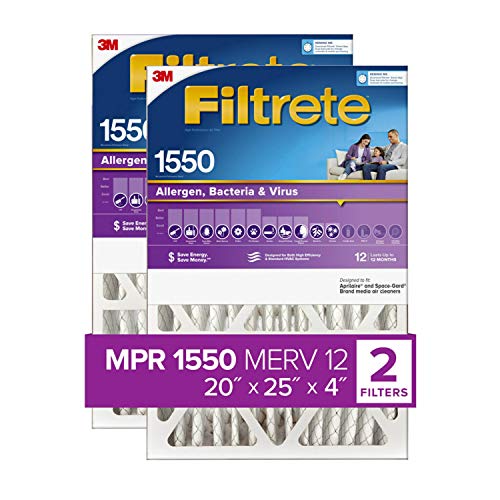
Filtrete 20x25x4, AC Furnace Air Filter, MPR 1550 DP, Healthy Living Ultra Allergen Deep Pleat, 2-Pack (Actual 19.88 x 24.63 x 4.31)
Check price on Amazon
MAYASAF 700203 HVAC Blower Motor Assembly fit for 07-17 Ford Edge, for Honda Accord/CR-V/Odyssey/Pilot, for Dodge Journey, for Jeep Wrangler, for Chrysler Sebring
Check price on Amazon
The Real Cost of Cheap AC Quotes: Why Low Prices Often Lead to Comfort Problems and Repairs (Practical HVAC Guides for Homeowners)
Check price on Amazon