AC Plumbing: The Complete Guide to Condensate Drainage
Discover how the plumbing side of your air conditioning system works. Learn about drain lines, traps, pumps, and maintenance to prevent water damage and keep cooling efficient.
EXPLORE THE GUIDEThe Basics of AC Plumbing
Air conditioning does more than cool the air—it also removes moisture. As warm, humid air passes over the cold evaporator coil, water vapor condenses into liquid. This condensate must be safely directed away from your home. That is where AC plumbing comes in. It is the network of pipes, fittings, and accessories that collect and dispose of this water.
While often overlooked, a properly designed and maintained AC plumbing system is critical. A clogged or improperly installed drain line can cause water damage to ceilings, walls, and floors, and can even lead to mold growth. Understanding how it works helps you spot problems early and appreciate the importance of regular maintenance. For a deeper look at the cooling cycle, see our guide to the AC refrigerant cycle.
The plumbing portion typically includes the drain pan, the primary drain line, a P-trap, and sometimes a secondary drain line or a condensate pump. Each component plays a role in ensuring water exits the system reliably.
Key Components of an AC Drain System
A complete AC plumbing setup consists of several parts working together. Understanding each one helps you identify issues and communicate effectively with technicians.
1. Drain Pan
Located beneath the indoor evaporator coil, the drain pan catches condensate as it drips off the coil. Pans are typically made of plastic or metal and must be sloped toward the drain outlet to prevent standing water. A rusted or cracked pan is a common source of leaks.
2. Primary Drain Line
This is the main pipe that carries water from the drain pan to a suitable disposal point, such as a floor drain, a sink, or the exterior of the house. It is usually made of PVC and must have a continuous downward slope to allow gravity flow.
3. P-Trap
A U-shaped fitting that holds a small amount of water to create a seal. This prevents sewer gases and odors from entering the airstream. The trap also helps maintain proper drainage by creating a siphon effect.
4. Secondary Drain Line (Optional but Recommended)
Many building codes require a secondary drain line or a float switch as a backup in case the primary line clogs. This provides an alternate path for water or shuts off the system before overflow occurs.
5. Condensate Pump
When gravity drainage is not possible—such as in basements or attics without a nearby drain—a condensate pump collects water and pumps it to a remote location. Pumps require periodic cleaning and are common in high-efficiency systems.
| Component | Function | Common Issues |
|---|---|---|
| Drain Pan | Collects condensate from the coil | Cracks, rust, overflow due to clogs |
| Primary Drain Line | Carries water away by gravity | Clogs from algae and debris, improper slope |
| P-Trap | Seals out odors and aids drainage | Dry trap, debris buildup |
| Secondary Drain | Backup path or float switch | Blocked, float switch failure |
| Condensate Pump | Lifts water when gravity drainage is impossible | Pump failure, clogged inlet, electrical issues |
Materials and Pipe Sizes
The most common material for AC drain lines is PVC (polyvinyl chloride) due to its durability, smooth interior, and ease of installation. Other materials like CPVC or flexible tubing may be used in specific situations. The size of the pipe is typically 3/4-inch inside diameter, though 1-inch pipe is sometimes used for larger systems or long runs to reduce the risk of clogging.
When selecting materials, consider:
- Code compliance: Local building codes may specify pipe material and size.
- Accessibility: Install cleanouts or unions to allow for easy maintenance.
- Insulation: In humid environments, insulating the drain line can prevent sweating and secondary water damage.
For those looking to understand the overall efficiency of their system, our article on window AC energy efficiency ratings provides useful context on how drainage affects performance.
Installation and Routing Best Practices
Correct installation is key to a reliable AC plumbing system. Whether you are installing a new unit or replacing a drain line, follow these guidelines:
- Maintain a steady slope: The drain line should slope downward at a minimum of 1/8 inch per foot toward the disposal point. Avoid sags or uphill sections that trap water.
- Install a P-trap: The trap should be located close to the drain pan and be deep enough to hold water. Ensure it is accessible for cleaning.
- Use proper fittings: Minimize the number of elbows to reduce clog points. Use long-radius elbows where turns are necessary.
- Provide a cleanout: Install a threaded cap or union at a low point to allow for flushing and inspection.
- Route away from the foundation: The discharge point should direct water away from the house to prevent pooling and foundation damage.
- Insulate in humid areas: To prevent condensation on the outside of the pipe, wrap it with insulation in unconditioned spaces.
Pro Tip: If your system is in an attic, consider installing a secondary drain pan with a float switch. This simple addition can save you from costly water damage if the primary line clogs. For related maintenance, see our AC maintenance guide.
Maintenance and Clog Prevention
Regular maintenance of the AC plumbing system is essential to prevent clogs and water damage. Here are practical steps you can take:
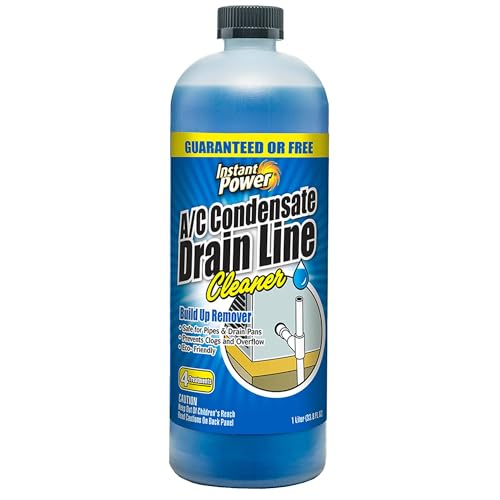
- Flush the drain line: Pour a cup of distilled white vinegar down the drain line every month during cooling season to inhibit algae growth. For severe clogs, use a wet/dry vacuum to suction the line from the exterior end.
- Check the drain pan: Inspect for rust, cracks, or standing water. Clean any debris that accumulates.
- Test the float switch: If you have a float switch, lift it to ensure it shuts off the system.
- Schedule professional maintenance: A technician can clear stubborn clogs and inspect the entire drain system. Our AC tune-up guide covers what to expect.
If you notice water leaks or unusual noises, address them promptly. Our guide to AC leaking water solutions can help you diagnose common issues.
Troubleshooting Common AC Plumbing Issues
Even with regular maintenance, problems can arise. Here are some common issues and what they might indicate:
- Water pooling around the indoor unit: Often a sign of a clogged drain line or a cracked drain pan. Check the pan for debris and flush the line.
- Ice buildup on the evaporator coil: Can be caused by low refrigerant or restricted airflow, which can also affect condensate production. See our article on frozen coils solutions.
- Musty odors: May indicate algae or mold growth in the drain line or pan. A thorough cleaning is needed.
- Condensate pump not working: Check for power, clogs, or a stuck float. If the pump fails, replace it promptly to avoid water damage.
For a broader overview of troubleshooting, our guide to things to check when AC is not cooling can be a helpful resource.
Want to upgrade your AC system's efficiency and reliability? Explore our recommended products below.
VIEW RECOMMENDED PRODUCTSFrequently Asked Questions
What is AC plumbing and why is it important?
AC plumbing refers to the network of pipes and fittings that manage condensate water produced during cooling. It includes the drain pan, condensate line, trap, and sometimes a pump. Proper plumbing prevents water damage and keeps the system running efficiently.
What size PVC pipe is used for an AC drain line?
Most residential AC drain lines use 3/4-inch PVC pipe, though some systems use 1-inch pipe for larger units. The size must match the drain pan outlet and meet local code requirements.
Why does my AC drain line keep clogging?
Clogs are usually caused by algae growth, dust, and debris that accumulate in the condensate line. Regular flushing with vinegar or a professional cleaning can prevent blockages.
Do I need a condensate pump for my AC?
A condensate pump is needed when gravity cannot carry water to a drain, such as in basements or attics without a floor drain. Pumps are common in high-efficiency systems and add convenience but require maintenance.
Keep Learning
Understanding the plumbing is just one part of maintaining a healthy AC system. These related guides can help you further: