Air Conditioning Evacuation Pump: What You Need to Know
Understand why vacuuming is a critical step in AC installation, how an evacuation pump works, and what to look for when choosing one for professional or serious DIY use.
START LEARNINGWhy this guide matters: If you are researching an air conditioning evacuation pump, you are likely involved in AC installation, repair, or service. What you need now is a clear understanding of why evacuation is essential, how pumps differ in capability, and what features separate an entry-level pump from a professional-grade unit. This guide gives you that foundation so you can choose with confidence.
What Is an Air Conditioning Evacuation Pump?
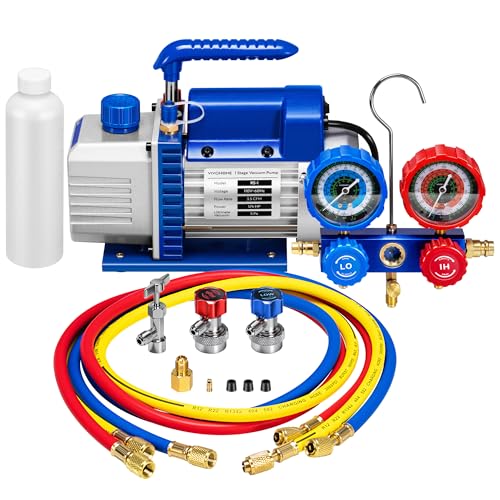
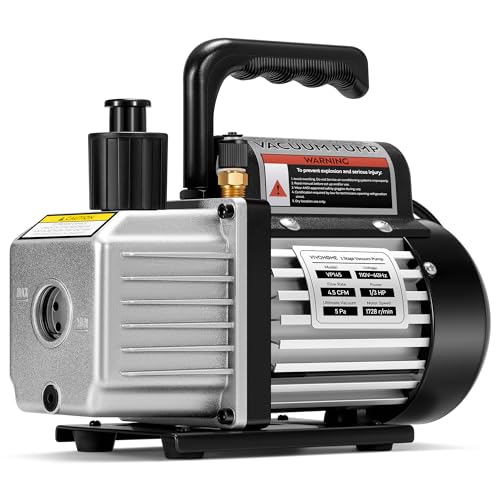
An air conditioning evacuation pump, often simply called a vacuum pump, is a device that removes air and moisture from an AC system's refrigerant lines and components. Before refrigerant is introduced into a new or repaired system, the entire circuit must be evacuated to a deep vacuum. This step removes non-condensable gases and moisture that would otherwise damage the compressor, reduce efficiency, and cause long-term reliability problems.
The pump itself creates a vacuum by pulling air molecules out of the system through a hose connection. Quality pumps can reach deep vacuum levels and are designed to run for extended periods without overheating. The evacuation process is one of the most important steps in any installation, and skipping it or performing it poorly is one of the most common causes of premature system failure.
If you want to understand where evacuation fits into the broader refrigerant process, the AC refrigerant cycle guide explains each stage in plain language. The recharging freon in air conditioner overview also covers the sequence of service steps that follow evacuation.
Why Evacuation Is Essential
Evacuation is not optional. Air and moisture in a refrigerant system cause several well-documented problems, and understanding them helps you appreciate why the pump matters so much.
Removes Moisture
Moisture reacts with refrigerant and oil to form acids that corrode components and can lead to compressor failure over time.
Removes Non-Condensables
Air in the system raises discharge pressure and reduces cooling performance, forcing the compressor to work harder.
Supports Leak Detection
A proper vacuum test confirms the system holds pressure and helps catch leaks before refrigerant is introduced.
The air conditioning gas overview explains how refrigerant interacts with the system and why purity matters. If evacuation is skipped, the consequences often show up later as symptoms like an AC compressor running but not cooling, which can be traced back to contamination or moisture-related damage.
How an Evacuation Pump Works
Most AC evacuation pumps are rotary vane designs. Inside the pump, a rotating eccentric rotor with sliding vanes traps air from the inlet and pushes it toward the exhaust. This creates a continuous pumping action that pulls the system down toward vacuum.
Two-stage pumps are common in HVAC service. The second stage improves the achievable vacuum level and reduces the time required to reach deep vacuum. For most residential AC work, a two-stage pump is the standard recommendation because it performs better when there is residual moisture in the system.
The pump connects to the system through service hoses and a manifold gauge set. During evacuation, valves are opened to allow the pump to pull on both the high and low sides of the system simultaneously. A vacuum gauge or micron gauge is used to confirm that the target vacuum level has been reached and held.
Features to Consider When Choosing a Pump
Pumps vary in capability, build quality, and features. The table below summarizes what matters most when comparing options, organized by tier rather than by any specific figure.
| Tier | Typical Characteristics | Best For |
|---|---|---|
| Entry-Level Tier | Single-stage design, basic motor, standard fittings | Occasional use and simple residential tasks |
| Mid-Range Tier | Two-stage design, improved cooling, durable construction | Regular residential and light commercial service |
| Professional-Grade Tier | Two-stage, heavy-duty motor, reinforced housing, longer duty cycles | Frequent professional use and larger systems |
| Commercial-Grade Tier | High-capacity, extended runtime, robust components | Commercial installations and continuous service work |
Flow Rate and Vacuum Depth
Two key specifications to compare are flow rate and achievable vacuum. Flow rate determines how quickly the pump can pull air out of the system, while the achievable vacuum determines how deep it can go. Larger systems and longer line sets benefit from higher flow rates, while moisture removal depends on reaching and holding a deep vacuum.
Motor and Duty Cycle
The motor should be rated for the duration of your typical evacuation. Professional-grade pumps are built to run for extended periods without overheating. If you regularly perform installations, a pump rated for continuous duty is a worthwhile investment.
Build Quality and Portability
Durable construction, reinforced housings, and secure fittings all contribute to long-term reliability. Portability matters if the pump will be moved frequently between job sites. A solid build with a weather-resistant coating on external components extends service life in demanding environments.
Oil Management
Vacuum pumps use oil to seal and lubricate internal components. Oil condition affects achievable vacuum, so pumps that make oil changes easier are more convenient to maintain. Some models include features that help prevent oil backflow into the system, which is a common cause of contamination.
The Evacuation Process in Practice
While the exact sequence depends on the system, the general process follows a consistent pattern. Understanding it helps you use the pump correctly and avoid common errors.
- Connect and verify: Connect the pump, manifold gauges, and service hoses. Confirm all connections are tight.
- Open valves: Open both high and low side valves on the manifold so the pump pulls on the entire system.
- Start the pump: Turn on the pump and monitor the vacuum level with a micron gauge.
- Reach target vacuum: Pull down to the target vacuum level and continue running to remove residual moisture.
- Isolate and hold: Close the manifold valves, stop the pump, and hold the vacuum to confirm the system is leak-free.
- Charge the system: Introduce refrigerant only after the vacuum holds steady.
Each of these steps is critical. A rushed evacuation or a system that fails the hold test is a warning sign that should be investigated before proceeding. If you notice issues during service, the things to check when AC is not cooling overview provides a useful checklist for diagnosing related problems.
Common Mistakes to Avoid
Even with a capable pump, these mistakes can undermine the evacuation process and compromise the system.
- Skipping evacuation entirely: Some installers shortcut this step. It always causes problems later.
- Using contaminated oil: Old or moisture-laden pump oil reduces achievable vacuum.
- Ignoring the hold test: A vacuum that does not hold indicates a leak or moisture problem.
- Rushing the process: Deep vacuum takes time, especially when moisture is present.
- Neglecting hoses and fittings: Leaky hoses or worn seals prevent the pump from doing its job.
If evacuation issues are suspected after service, symptoms such as an AC blowing air but not cooling the house can result. The AC electrical problems overview is also useful when troubleshooting interconnected symptoms.
Safety and Refrigerant Handling
Evacuation and refrigerant work involve pressurized systems and refrigerants that require careful handling. Always follow EPA regulations for refrigerant handling, and use appropriate personal protective equipment. Refrigerant should never be vented to the atmosphere during service.
The air conditioning evacuation pump overview here assumes you are aware of these responsibilities. If you are new to refrigerant work, review the regulations before starting any project, and consider working with a licensed technician for tasks that involve refrigerant handling.
Related Considerations
A few adjacent topics come up frequently during installation and service projects and are worth reviewing alongside pump selection.
- Related tools: The automotive air conditioning vacuum pump overview is useful for readers working across automotive and residential systems.
- Service context: The heating and air conditioning service companies guide explains how professional service providers approach installation and maintenance.
- Maintenance planning: The AC maintenance plan overview covers what a structured service schedule typically includes.
- Wider context: The AC air conditioning overview places evacuation within the broader AC service picture.
Frequently Asked Questions
Is an evacuation pump required for every AC installation?
Yes. Any new installation or repair that opens the refrigerant circuit must be evacuated before charging. Skipping evacuation leads to moisture and air contamination that damages the system over time.
What is the difference between single-stage and two-stage pumps?
Two-stage pumps use two pumping stages to reach deeper vacuum levels and remove moisture more effectively. For most residential AC work, a two-stage pump is the standard choice.
How long should evacuation take?
Duration depends on system size, hose length, and moisture content. The process should continue until the target vacuum is reached and held, not for a fixed number of minutes.
Can I use the same pump for automotive and residential AC?
In principle, yes, though fittings and hoses differ. Automotive systems use different service ports, so adapters may be needed. The automotive air conditioning vacuum pump overview explains those differences.
How often should pump oil be changed?
Oil should be changed whenever it becomes cloudy or contaminated, and more frequently during heavy use. Clean oil is essential for reaching and maintaining deep vacuum.
Ready to Compare Evacuation Pumps?
Review recommended air conditioning evacuation pumps, then check availability and features that match your service needs.
EXPLORE OPTIONS