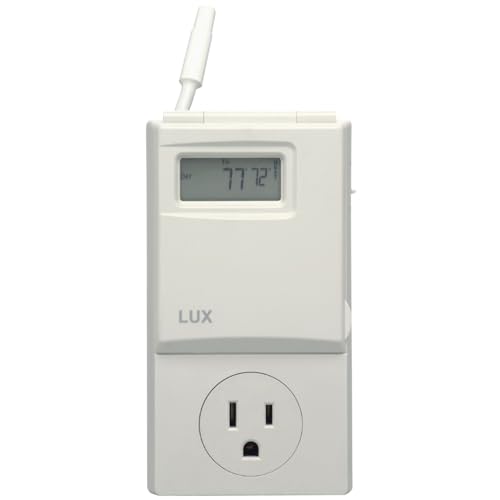
AC Thermostat Replacement: What to Expect and How to Choose
A thermostat is the control center of your cooling system. When it fails or falls behind modern standards, your comfort and energy use both suffer. This guide explains the factors that shape thermostat replacement cost, the different tiers available, and how to make a confident decision.
Why this guide matters: Most homeowners research thermostat replacement only after the old unit stops responding. Understanding the cost drivers, thermostat categories, and installation considerations ahead of time helps you avoid rushed decisions and choose a model that fits your system, your home, and your long-term energy goals.
What Influences AC Thermostat Replacement Cost?
The overall outlay for replacing a thermostat is shaped by several variables. The thermostat itself is only one part of the picture — the type of system it controls, the wiring complexity, and the features you select all play a role. Here is a breakdown of the main factors:
- Thermostat category: Entry-level non-programmable models sit at the low end, while mid-range programmable and high-end smart thermostats command more of the total outlay. The tier you choose is the single largest variable.
- System compatibility: Standard single-stage systems use simple low-voltage wiring. Heat pumps, multi-stage systems, and dual-fuel setups require thermostats with additional terminals and configuration, which can increase both the unit tier and the labor involved.
- Wiring and installation complexity: A direct swap of a like-for-like thermostat is straightforward. Adding a C-wire (common wire) for a smart thermostat, relocating the thermostat, or correcting legacy wiring adds time and materials.
- Labor rates: Professional installation labor varies by region and contractor. A simple swap typically takes under an hour; complex installations can take two to three hours.
- Additional components: Some installations require a power adapter, a new backplate, or a zone control board. These accessories contribute to the total.
For a broader look at how thermostat options compare across the market, see our guide to AC thermostats available for sale, which covers feature differences between tiers.
Thermostat Tiers: A Practical Comparison
Instead of focusing on specific figures, it helps to understand thermostats by tier. The table below organizes the main categories by their position in the market and the type of user they suit best.
| Tier | Category | Best For | Key Characteristics |
|---|---|---|---|
| Entry-Level | Non-programmable manual thermostat | Basic single-stage systems, rentals, simple setups | Dial or slider control, no scheduling, minimal wiring, durable construction |
| Mid-Range | Programmable thermostat | Homeowners who want daily scheduling without smart features | 7-day or 5-2 scheduling, backlit display, basic hold modes, straightforward installation |
| High-End Tier | Smart thermostat (Wi-Fi) | Connected homes, remote monitoring, energy-conscious users | App control, learning algorithms, geofencing, usage reports, C-wire often required |
| Top-Tier | Premium smart thermostat with zoning support | Multi-zone homes, heat pump systems, advanced HVAC setups | Multi-stage and dual-fuel support, remote sensors, integration with home automation platforms |
| Professional-Grade | Commercial or contractor-grade thermostat | Light commercial spaces, office suites, multi-unit buildings | Heavy-duty build, locking covers, remote sensor compatibility, robust terminal blocks |
If your space is a commercial setting, our office building AC guide covers how thermostat choices interact with larger cooling loads and zoning strategies.
Installation: What Drives the Labor Portion
Installation labor is often the most misunderstood part of thermostat replacement. A like-for-like swap is quick, but several scenarios add complexity:
- C-wire requirement: Smart thermostats need a continuous power source. If your system lacks a C-wire, the installer may run a new wire or use a power adapter kit.
- System type: Heat pumps, two-stage compressors, and dual-fuel systems require thermostats configured for auxiliary and emergency heat, which takes additional setup time.
- Thermostat relocation: Moving the thermostat to a better location for temperature sensing involves patching old wiring paths and running new wire.
- Old or non-standard wiring: Legacy systems sometimes use non-standard color coding or missing terminals, which requires diagnosis before installation.
- Zoning systems: If your home uses motorized dampers and multiple thermostats, the panel wiring and zone controller configuration add time. Our guide to air conditioning registers can help you understand how airflow interacts with zoned control.
Practical tip: Before buying a smart thermostat, check the number of wires at your current thermostat. Four wires typically indicate no C-wire; five wires usually include one. If you are unsure, a short diagnostic visit from a technician is a worthwhile investment before you commit to a model.
Signs It's Time to Replace Your Thermostat
Thermostats rarely fail dramatically. More often, they degrade gradually, and homeowners adapt to the inconvenience without realizing the thermostat is the cause. Watch for these signals:
- The display is blank, flickering, or shows inconsistent readings.
- The system short-cycles — turning on and off more frequently than it should.
- Room temperature does not match the setpoint, even after calibration attempts.
- The thermostat does not respond to button presses or app commands.
- You cannot schedule or program the thermostat, or schedules reset unexpectedly.
- The thermostat feels warm to the touch or shows signs of internal damage.
- Your system runs constantly without reaching the target temperature.
If your AC is running but not cooling properly, the thermostat may be only part of the story. Our troubleshooting guide on central air conditioner stopped cooling walks through the diagnostic sequence.
How to Choose the Right Thermostat for Your System
The right thermostat depends on three things: your HVAC system type, your daily routine, and how much control you want. Here is a simple decision framework:
Step 1: Identify your system type
Check the model number of your air handler or furnace, or look at the terminal labels on your current thermostat. Single-stage systems (R, W, Y, G) work with almost any thermostat. Heat pumps add O/B and auxiliary heat terminals. Multi-stage systems add Y2 and W2. Dual-fuel systems require thermostats that support fossil fuel backup.
Step 2: Match features to your routine
If your household follows a predictable schedule, a programmable thermostat delivers solid efficiency for its tier. If your schedule varies or you want remote control, a smart thermostat's geofencing and app control justify the higher tier. For rentals or simple setups, an entry-level manual thermostat is often the most reliable choice.
Step 3: Plan for installation
Confirm whether your chosen model requires a C-wire, and decide whether you will install it yourself or hire a professional. If you are also evaluating broader system upgrades, our overview of HVAC system options puts thermostat choices in context with equipment tiers.
Ready to Explore Thermostat Options?
Compare features, tiers, and compatibility across the most widely used thermostat categories before you decide.
Explore Thermostat OptionsFrequently Asked Questions
How long does a thermostat replacement take?
A like-for-like swap typically takes 30 to 60 minutes for a professional. Installing a smart thermostat with a new C-wire or relocating the unit can take two to three hours. DIY installation is feasible for straightforward swaps but requires care with low-voltage wiring.
Can I replace my thermostat myself?
Yes, for simple single-stage systems with matching wiring. The key steps are turning off power at the breaker, labeling wires before removal, and matching terminal labels on the new unit. If your system is a heat pump, multi-stage, or dual-fuel setup, professional installation is strongly recommended to avoid misconfiguration.
What is a C-wire, and do I need one?
A C-wire (common wire) provides continuous low-voltage power to a thermostat. Smart thermostats typically require one. If your current thermostat has only four wires, you likely do not have a C-wire. Options include running a new wire, using a power adapter kit, or choosing a smart thermostat that includes an adapter in the box.
Will a new thermostat lower my energy use?
A programmable or smart thermostat can reduce energy use by optimizing schedules and avoiding unnecessary cooling when the home is empty. The savings depend on your routine, climate, and how well the thermostat is configured. The thermostat itself does not change system efficiency — it changes how consistently and intelligently the system runs.
How do I know if my thermostat is compatible with my AC?
Check the terminal labels on your existing thermostat and the model number of your air handler. Compare those with the compatibility list for the thermostat you are considering. Most manufacturers publish a compatibility checker. When in doubt, a brief consultation with an HVAC technician prevents mismatches.
Should I repair or replace a malfunctioning thermostat?
Thermostats are generally not repaired — they are replaced. Entry-level and mid-range models are usually replaced outright when they fail. For high-end smart thermostats, check the warranty first; some manufacturers offer replacement units for defects within the warranty period.
If your investigation points to larger system issues rather than the thermostat alone, our guides on central air conditioner system considerations and air conditioning unit repair can help you weigh the next step.