Central Air Conditioner System Cost: What Every Homeowner Should Know
Understand the real investment behind a central AC system — from equipment tiers and installation factors to efficiency ratings and long-term value.
Explore Cost FactorsIn This Guide
Central Air Conditioner System Overview
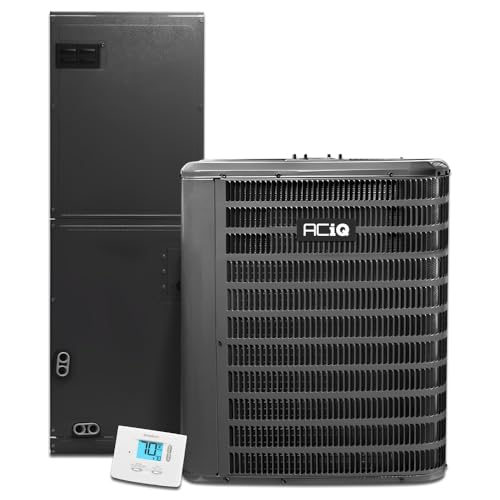
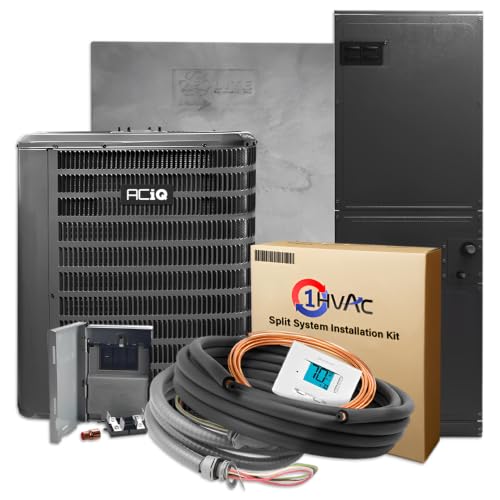
A central air conditioner system is a whole-home cooling solution that distributes conditioned air through a network of ducts. Unlike window or portable units, a central system consists of several key components that work together: an outdoor condenser unit, an indoor evaporator coil (often paired with a furnace or air handler), refrigerant lines, a thermostat, and the ductwork that carries cooled air to each room. Understanding these components helps explain why the overall investment varies so widely between homes.
When homeowners research central AC, they often focus on the outdoor unit alone. However, the total system includes the indoor air handler, the coil, the thermostat, and potentially duct modifications. This is why a complete central air conditioner system evaluation is more complex than comparing a single product. For a deeper breakdown of how these components interact, see our guide on the central air conditioning system.
There are also different system configurations. A split system pairs an outdoor condenser with an indoor unit, while a packaged system houses all components in a single outdoor cabinet. Some homeowners choose a central air conditioner and heating unit combination for year-round comfort. The configuration you choose directly influences the overall project scope and the factors that determine your investment.
Key Cost Factors for Central AC Systems
Several variables determine the overall investment for a central air conditioner system. Understanding these factors helps you evaluate quotes accurately and avoid surprises.
Home Size & Cooling Load
The square footage of your home is the starting point. A larger home requires a higher-capacity system, which typically falls into a higher tier. Proper sizing via Manual J load calculation ensures you don't overpay for excess capacity or sacrifice comfort. Learn more about sizing for a 1,000 sq ft house or systems for 2,400 sq ft homes.
System Tier & Efficiency
Entry-level systems meet basic efficiency standards, while premium and high-end tier systems offer higher SEER2 ratings, variable-speed compressors, and quieter operation. The tier you select affects both the initial investment and long-term energy use. Our SEER rating guide explains how efficiency translates to operational savings.
Ductwork Condition
If your home already has ductwork, the project scope is smaller. Homes without ducts or with damaged ducts require additional work. The difference between installing a system with existing ductwork versus a full new installation is significant. See installation with existing ductwork for details.
Labor & Regional Rates
Installation labor varies by region, contractor availability, and project complexity. Areas with higher labor rates or stricter permitting requirements will see higher installation components. Always obtain multiple quotes and verify contractor credentials.
Electrical & Permit Requirements
Older homes may need electrical panel upgrades to support a modern central AC system. Permits and inspections add to the project scope. These requirements vary by municipality and should be confirmed before installation begins.
Thermostat & Controls
Basic thermostats are included in most installations, but smart thermostats and zoning controls add capability and complexity. A central air conditioner thermostat upgrade can improve comfort and efficiency.
Central AC System Tier Comparison
To help you evaluate options without focusing on specific figures, here is a comparison of central AC systems by market tier. This framework uses universal quality descriptors that remain relevant regardless of market fluctuations.
| Tier | Typical Characteristics | Best For |
|---|---|---|
| Entry-Level | Single-stage compressor, standard SEER2 rating, basic thermostat compatibility, essential features | Homeowners seeking reliable cooling with straightforward installation and minimal complexity |
| Mid-Range | Two-stage or single-stage with higher SEER2, improved sound insulation, better humidity control | Households wanting a balance of efficiency and comfort with moderate upfront investment |
| Premium | Variable-speed compressor, high SEER2 rating, quiet operation, advanced humidity management, smart thermostat ready | Homeowners prioritizing long-term efficiency, quiet performance, and enhanced comfort |
| High-End / Top-Tier | Top SEER2 ratings, fully variable-speed operation, premium materials, advanced zoning compatibility, superior warranty coverage | Luxury homes or homeowners making a long-term investment in maximum efficiency and comfort |
These tiers are relative to the central AC market and help you frame conversations with contractors. A mid-tier system typically offers smoother operation than an entry-level unit, while a premium system provides the quietest and most efficient performance. For a broader view of system types, explore our central air conditioning system overview.
Efficiency Ratings and Long-Term Value
Efficiency is one of the most impactful factors in the overall value of a central AC system. A system with a higher SEER2 rating generally requires a larger initial investment but delivers lower energy consumption over its lifespan. The U.S. Department of Energy sets minimum efficiency standards, and ENERGY STAR certified systems exceed those minimums.
When comparing systems, consider the total cost of ownership rather than the initial outlay alone. A high-efficiency system may be a worthwhile long-term investment if you plan to stay in your home for many years. Conversely, an entry-level system may be a solid choice for a rental property or a home you plan to sell soon. Our detailed guide on SEER ratings explains how to interpret these numbers and apply them to your situation.
It's also important to consider the interaction between efficiency and sizing. An oversized system will short-cycle, reducing efficiency and comfort regardless of its rating. Proper sizing is covered in our AC sizing guide.
Installation Considerations That Affect Your Project
The installation process itself introduces several variables that influence the overall scope and investment. Understanding these can help you prepare and ask the right questions.
Existing Ductwork
If your home has usable ductwork, the installation can typically proceed more efficiently. However, ductwork may need sealing, insulation, or resizing. Homes without ducts require a different approach, and some homeowners choose ductless systems instead. Our article on installation with existing ductwork provides a closer look at what to expect.
Refrigerant Lines and Placement
The distance between the outdoor condenser and indoor air handler affects the length of refrigerant lines required. Placement decisions also influence efficiency and noise. Your contractor should discuss optimal placement during the site assessment.
Permits and Inspections
Most municipalities require permits for HVAC installations. Permit fees and inspection scheduling add to the project timeline. A reputable contractor will handle permitting as part of the service, but the associated requirements are part of your overall project scope.
Choosing a Contractor
The contractor you choose impacts both the quality of installation and the overall project experience. Seek licensed, insured professionals with verifiable references. Our guide on choosing an HVAC contractor offers a checklist to help you evaluate options.
Replacement vs. Repair: Making the Right Decision
When an existing central AC system fails, homeowners face a pivotal decision: repair the current unit or replace it with a new system. Several factors influence this choice:
- Age of the system: Systems nearing the end of their expected lifespan (typically 15–20 years) are often better candidates for replacement, especially if repairs become frequent.
- Frequency of repairs: Repeated breakdowns signal declining reliability. A system requiring multiple repairs in a short period may not be a sound long-term investment.
- Efficiency improvements: A new high-efficiency system can reduce ongoing energy consumption, making replacement a more attractive long-term investment.
- Refrigerant type: Older systems using phased-out refrigerants face rising service complexity. Transitioning to a modern system may be more practical.
Our article on central air conditioner replacement walks through the decision process in greater detail, including signs that replacement is the more prudent path. For homeowners facing a failing system, understanding common cooling problems can help clarify whether the issue is minor or systemic.
Frequently Asked Questions
What is the typical lifespan of a central air conditioner system?
How do I know what size central AC system my home needs?
Is a higher SEER2 rating always worth the extra investment?
Can I install a central AC system myself?
How long does a central AC installation take?
What maintenance does a central AC system require?
Ready to Explore Central AC Options?
Now that you understand the factors that influence the overall investment, you can evaluate systems and contractor quotes with confidence. Browse recommended central air conditioners and compare features, efficiency tiers, and suitability for your home.
View Recommended SystemsFor additional context on related topics, you may find our guides on central AC not blowing cold air and central AC stopped cooling helpful for troubleshooting common issues.