Air Conditioner Compressor Price: A Complete Guide
Understand the real factors behind air conditioner compressor price, from replacement tiers and labor to failure signs and smart decision-making. Learn what to expect before you commit.
Explore Compressor TiersWhat This Guide Covers
Role of the Compressor in an AC System
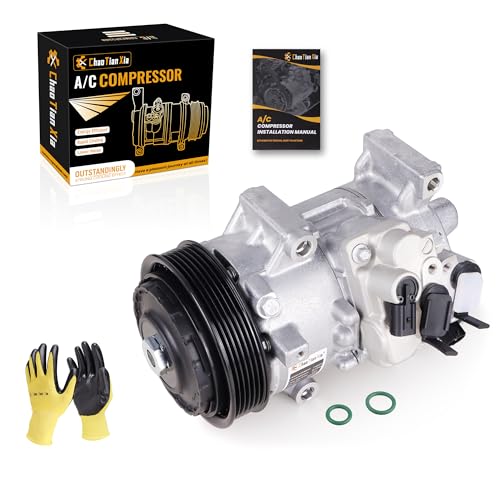
The compressor is the pump that circulates refrigerant between the indoor evaporator coil and the outdoor condenser coil. Without it, the cooling cycle stops entirely. It compresses low-pressure refrigerant gas into high-pressure gas, allowing heat to be released outdoors and cool air to be delivered indoors.
Because the compressor operates under continuous mechanical load, it is the single most stressed component in a split or central air conditioning system. This is why compressor-related issues dominate HVAC service calls and why understanding the air conditioner compressor price landscape is essential for any homeowner facing a major repair decision.
- Scroll compressors are the most common in modern residential AC units, known for quieter operation and fewer moving parts.
- Reciprocating compressors appear in older systems and some entry-level models, using piston-driven action.
- Rotary compressors are often found in ductless mini-split and window units, valued for compact size.
- Inverter-driven compressors vary speed continuously and are typical of premium, high-efficiency systems.
Factors That Influence Compressor Tiers
No two compressor replacements are identical. The tier a replacement falls into depends on several technical and logistical variables. Understanding these helps you evaluate quotes fairly and avoid being over-sold or under-served.
- System capacity (BTU/tonnage): Larger systems require more powerful compressors, which naturally sit in higher tiers.
- Refrigerant type: Systems using R-410A or newer R-32/R-454B refrigerants may require specific compressor compatibility.
- Compressor technology: Standard single-speed scroll compressors sit at the entry and mid tiers; inverter and variable-speed compressors occupy premium tiers.
- Brand and model compatibility: OEM-matched compressors command higher tiers than universal aftermarket options.
- Labor complexity: Accessibility, line-set length, electrical work, and refrigerant recovery all affect the total project tier.
- Warranty coverage: Compressors still under manufacturer warranty may reduce the parts portion dramatically.
- Regional labor norms: Urban markets tend to carry higher labor tier than rural ones, independent of equipment.
Compressor Market Tiers Explained
To make comparison easier and to avoid attaching volatile figures, this guide uses a tier-based classification. Each tier reflects the relative market position of the compressor and the service package, not a fixed number. Tiers remain stable over time and across regions.
Essential Tier
Standard single-speed scroll compressors for common residential split systems. Often remanufactured or universal-fit options. Solid build for straightforward replacements.
Balanced Tier
New OEM-matched scroll compressors with standard efficiency ratings. Durable construction and reliable performance for most single-family homes.
Top-Tier
High-efficiency inverter or variable-speed compressors matched to premium systems. Feature-rich for its class, with extended warranty options and quieter operation.
| Tier | Typical Technology | Best For | Relative Durability |
|---|---|---|---|
| Essential Tier | Single-speed scroll, remanufactured or universal | Aging systems nearing end of life | Standard |
| Balanced Tier | New OEM single-speed scroll | Most residential replacements | Durable construction |
| Top-Tier | Inverter / variable-speed, high-efficiency | Premium systems and efficiency-focused homes | Heavy-duty, extended service life |
Signs Your Compressor Needs Attention
Catching compressor trouble early can save you from a full replacement. Watch for these symptoms and act quickly — ignoring them often escalates the repair tier.
- Warm air from vents: The system runs but never reaches the set temperature. This can indicate the compressor is not engaging. See related troubleshooting in AC not blowing cold air.
- Frequent cycling: The compressor turns on and off repeatedly — a pattern known as short cycling. More detail is available in compressor cycles on and off.
- Loud noises: Grinding, buzzing, or clanking from the outdoor unit often points to internal compressor wear.
- Tripped breakers: A failing compressor can draw excessive current and trip the circuit breaker repeatedly.
- Outdoor fan running, no cooling: If the fan spins but the compressor stays silent, the compressor may have failed to start. See compressor running but fan not working for a related scenario.
- Visible oil or refrigerant leaks: Oil residue around compressor fittings may signal seal failure.
Replace Compressor vs Replace Whole Unit
This is the most consequential decision in the entire process. A compressor replacement is a major investment, and sometimes it makes more sense to replace the entire outdoor unit or the full system. Use the following decision framework.
- Consider replacement if: The system is under 10 years old, has a good maintenance history, and the rest of the components (coils, blower, ductwork) are in solid condition.
- Consider full system replacement if: The system is over 12 years old, uses older refrigerant, has had multiple repairs, or the energy efficiency is below modern standards.
- Consider a second opinion if: The diagnosis is unclear or the quote seems unusually high for the tier described.
For a broader look at repair decisions, the guide on compressor repair considerations covers the diagnostic side, while compressor replacement explores the full process. If you are weighing a full system change, the comparison in replace vs repair can help.
What the Replacement Process Involves
Knowing the steps helps you evaluate a technician's quote and timeline. A proper compressor replacement is not a quick swap — it involves refrigerant handling, electrical verification, and system testing.
- Diagnosis and confirmation: The technician confirms the compressor is the failed component, not a capacitor, contactor, or thermostat.
- Refrigerant recovery: All refrigerant is safely recovered per EPA regulations before any work begins.
- Electrical disconnect and removal: The old compressor is disconnected, unbolted, and removed from the outdoor unit.
- New compressor installation: The replacement is set, brazed into the line set, and wired according to manufacturer specifications.
- Vacuum and recharge: The system is evacuated to remove moisture and non-condensables, then recharged with the correct refrigerant charge.
- Testing and verification: The technician checks amp draw, pressures, superheat/subcooling, and temperature split before signing off.
Maintenance to Extend Compressor Life
Compressor longevity is largely a function of system hygiene and correct charge. These maintenance habits deliver the highest return on effort.
- Replace air filters regularly: Restricted airflow stresses the compressor. Follow the guidance in AC unit filter.
- Keep the outdoor coil clean: A dirty condenser coil raises head pressure and compressor load.
- Schedule annual tune-ups: Technicians check refrigerant charge, electrical connections, and capacitor health.
- Do not short-cycle the system: Avoid rapid on-off thermostat adjustments.
- Monitor for refrigerant leaks: Low charge is one of the most common causes of compressor failure. The overview in AC leak seal explains the early warning signs.
- Follow a preventive maintenance plan: A structured plan keeps the compressor within its designed operating envelope.
For a full maintenance routine, the guide on compressor maintenance walks through the seasonal checklist that protects the most critical component of your system.
Frequently Asked Questions
How long does an air conditioner compressor last?
A well-maintained compressor typically lasts 10 to 15 years, depending on usage, installation quality, and whether the system is kept clean and properly charged.
What are the signs that an AC compressor is failing?
Common signs include warm air from vents, frequent cycling, loud grinding or buzzing noises, tripped breakers, and the outdoor fan running while the compressor stays silent.
Is it better to replace the compressor or the whole AC unit?
If the system is older than 10 to 12 years and the compressor fails, replacing the entire unit is often a more sensible long-term investment than installing a new compressor in an aging system.
Does compressor replacement require a licensed technician?
Yes. Compressor replacement involves refrigerant handling, electrical work, and brazing, which require EPA certification and proper licensing. This is not a DIY task.
Can a compressor be repaired instead of replaced?
In rare cases, a failed start component (capacitor or relay) can be replaced without touching the compressor itself. However, once the compressor's internal mechanics fail, replacement is the standard path. The repair overview in compressor repair considerations explains the diagnostic boundary.
Compare Compressor Options With Confidence
You now understand the tier system, the failure signs, and the replacement process. The next step is to review available compressors and matching systems before requesting a professional quote.
View Compressor Options