In This Guide
What the Compressor Does
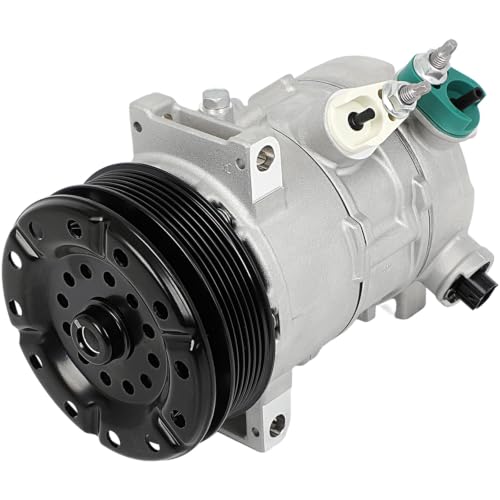
The compressor is the component that circulates refrigerant through your cooling system. It pressurizes the refrigerant so it can release heat outdoors and absorb heat indoors. Without a working compressor, an air conditioner can blow air, but that air will not be cooled.
Because the compressor runs under high pressure and handles the refrigerant charge, it is one of the most stressed parts of the system. That stress is why compressor failures are relatively common in older units and why the decision to replace it deserves careful thought. For a broader picture of the components involved, see our overview of the air conditioner condenser and air handler.
Signs Your Compressor Is Failing
Compressor problems rarely appear without warning. Watch for these indicators, especially if your system is more than a decade old:
- Warm air from the vents: The fan runs but the air is not cold. This overlaps with many other issues, so rule out simpler causes first — our guide on an air conditioner that is on but no cold air walks through them.
- Frequent cycling: The system turns on and off in short bursts. Our article on an air conditioner compressor cycling on and off explains possible causes.
- Loud or unusual noises: Clanking, grinding, or humming from the outdoor unit can signal internal compressor wear.
- Tripped breakers: A compressor drawing excessive current may trip the breaker repeatedly.
- Refrigerant leaks: Repeated low refrigerant often points to a compromised compressor or sealed system.
- System runs but does not cool: If the unit is running but not cooling after basic troubleshooting, the compressor becomes a prime suspect.
Not every symptom means replacement. Some issues stem from electrical components, capacitors, or refrigerant charge problems. A professional diagnosis is essential before committing to a major repair.
Repair vs Replacement: How to Decide
The choice between repairing and replacing a compressor depends on the unit's age, the system's overall condition, and whether the failure is isolated. Use the comparison below as a decision framework.
| Scenario | Typical Recommendation | Reasoning |
|---|---|---|
| Compressor failure in a young, well-maintained system | Replace the compressor | The rest of the system has remaining life; a targeted repair preserves your investment. |
| Compressor failure in an aging system with other wear | Replace the entire unit | A new compressor on a worn system often leads to repeat repairs in other components. |
| Failure caused by refrigerant contamination | Evaluate the whole system | Contamination can damage a new compressor if the cause is not fully addressed. |
| Repeated compressor failures | Investigate root cause first | Underlying electrical or refrigerant issues must be corrected before replacement makes sense. |
Many homeowners also compare the replacement against a full system upgrade. If the unit is nearing the end of its service life, a new system may offer better efficiency and a fresh warranty. Our air conditioner compressor repair cost reference covers how these options differ in scope.
The Replacement Process Step by Step
A competent technician follows a defined sequence to replace a compressor safely and correctly. Understanding the steps helps you ask the right questions and recognize a thorough job.
- Diagnosis and confirmation: Electrical testing, pressure readings, and visual inspection confirm the compressor is the failed component.
- Refrigerant recovery: The existing refrigerant is recovered per EPA regulations rather than vented. Learn more about air conditioning gas handling.
- System isolation: Power is disconnected and the compressor is isolated from the refrigerant lines.
- Removal: The failed compressor is removed, and the lines are inspected for contamination or debris.
- Flush and preparation: The system may be flushed to remove contaminants before the new compressor is installed.
- New compressor installation: The replacement is mounted, connected, and electrical components are verified.
- Vacuum and charging: The system is evacuated and recharged with the correct refrigerant amount. Our guide on an air conditioning evacuation pump explains why this step matters.
- Testing and verification: Pressures, temperatures, and electrical draw are checked to confirm proper operation.
If the compressor is part of a larger central system, the technician may also inspect related components such as the condensing unit and the air handler repair points to ensure no secondary issues remain.
Choosing the Right Compressor or System
When replacement is the path forward, you have two main directions: install a compatible compressor in the existing system, or upgrade to a new unit. Consider the following factors:
- Compatibility: The replacement compressor must match the system's refrigerant type and capacity. Mismatched components can shorten the unit's life.
- Efficiency tier: Entry-level compressors restore function, while mid-range and premium options may improve efficiency and durability. Match the tier to the rest of the system to avoid over- or under-specifying.
- Warranty: A new compressor may carry its own warranty. Confirm coverage and whether registration is required. Our AC warranty explained guide covers what to expect.
- System age: If the unit is near the end of its expected life, a new system may be the better long-term investment.
- Professional installation: The quality of installation affects how long the new compressor lasts. Choose a licensed contractor; our air conditioner installers in my area page can help.
Preventing Premature Compressor Failure
Many compressor failures are preventable with consistent care. The habits below protect the component and the system around it:
- Keep the filter clean: Restricted airflow strains the compressor. See our guide on the AC unit filter for a simple routine.
- Schedule annual maintenance: A tune-up catches small issues before they become expensive failures. Learn what is involved in air conditioner service and maintenance.
- Address leaks early: Low refrigerant forces the compressor to work harder. Our AC leak seal guide explains how leaks are managed.
- Protect against power surges: Surges can damage compressor windings. A properly sized electrical setup and surge protection help.
- Watch for short cycling: Frequent start-stop cycles wear the compressor. Our article on an air conditioner running constantly but not cooling covers related behavior.
If your system shows signs of trouble beyond the compressor, our common AC problems reference is a good place to map symptoms to likely causes before calling a technician.
Frequently Asked Questions
How long does a replacement compressor typically last?
A properly installed compressor can serve for many years when the rest of the system is healthy. The key factors are correct installation, correct refrigerant charge, and consistent maintenance. A compressor installed in a system with unresolved contamination or electrical issues may fail again sooner.
Can I replace the compressor myself?
Compressor replacement involves refrigerant handling, which is regulated by the EPA and requires certification. It also requires specialized tools and knowledge of electrical and refrigeration systems. This is not a do-it-yourself task.
Does a new compressor come with a warranty?
Many replacement compressors carry a manufacturer warranty, often separate from the original unit warranty. Confirm the terms, whether labor is included, and whether registration is required to activate full coverage.
How do I know if the compressor is truly the problem?
A licensed technician confirms the diagnosis through electrical testing and pressure readings. Symptoms like warm air or short cycling can have several causes, so professional diagnosis prevents unnecessary replacement.
Should I replace the whole unit instead of just the compressor?
It depends on system age, overall condition, and the cause of failure. A young, well-maintained system often benefits from a targeted compressor replacement, while an aging system with multiple wear points may be better served by a full replacement. Our compressor repair cost guide helps frame the comparison.