Air Conditioner Compressor Maintenance: The Complete Guide
Your compressor is the heart of the cooling system. Learn how to protect it with proper cleaning, electrical checks, refrigerant awareness, and seasonal care that extends equipment life and keeps cooling performance strong.
Start the Maintenance ChecklistWhy compressor maintenance matters: The compressor circulates refrigerant and drives the entire cooling cycle. When it is neglected, the system loses efficiency, cooling capacity drops, and repair needs escalate. This guide walks you through the maintenance tasks you can safely perform, the checks that require a licensed technician, and the warning signs you should never ignore. If you want the broader system context, review our guide on AC not cooling solutions to compare compressor symptoms with other common faults.
How the Compressor Fits Into Your AC System
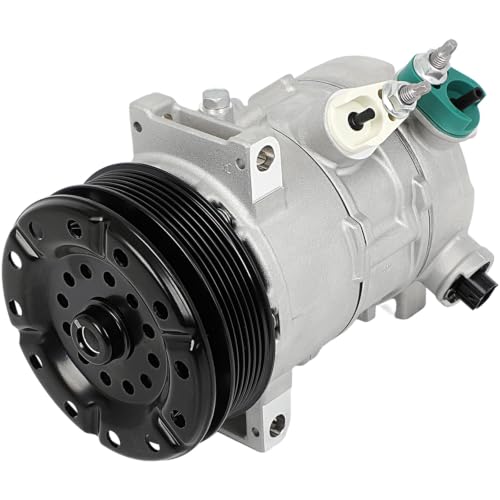
The compressor is located in the outdoor condenser unit on most split and central systems. It takes low-pressure refrigerant gas from the evaporator coil and compresses it into a high-pressure, high-temperature gas. That gas then moves through the condenser coil, where heat is released to the outdoors. From there, the refrigerant expands and returns to the indoor coil to absorb heat again.
Because the compressor runs under heavy mechanical and electrical load, it is the single most important component to protect. A well-maintained compressor can operate reliably for many years. A neglected one may short-cycle, overheat, or fail prematurely. For a deeper explanation of the full cycle, see our article on the air conditioner compressor replacement process, which outlines how technicians diagnose and replace failing units.
Core Maintenance Tasks You Can Do Safely
Homeowners can handle several tasks that directly reduce strain on the compressor. Always disconnect power at the breaker before touching the outdoor unit, and never open the sealed refrigerant circuit.
1. Replace or Clean Air Filters
Restricted airflow forces the compressor to work harder and can cause coil freeze-up. Clean reusable filters monthly during peak season and replace disposable filters on schedule. Read our guide on AC unit filters for selection and replacement intervals.
2. Clear the Outdoor Unit
Remove leaves, grass clippings, and debris from around the condenser. Keep at least two feet of clearance on all sides. A blocked coil cannot release heat, which raises compressor discharge pressure.
3. Rinse Condenser Coils
With power off, gently rinse the outdoor coils with a garden hose. Avoid high-pressure spray that can bend fins. Dirty coils are a leading cause of reduced cooling and compressor overload.
4. Inspect Electrical Connections Visually
Look for burnt wires, loose conduit, or insect nests near the contactor. Do not touch wiring inside the panel. If you see damage, schedule a technician immediately.
5. Keep the Drain Line Clear
A clogged condensate drain can trigger safety switches and shut the system down. Flush the line periodically. See our notes on an AC drain pan in the attic full of water for warning signs.
6. Listen and Observe
Unusual humming, grinding, or repeated short cycling often points to compressor stress. Compare symptoms using our guide on an air conditioner compressor cycling on and off.
Tasks That Require a Licensed Technician
Some maintenance items involve refrigerant, high voltage, or sealed components. These should only be handled by an EPA-certified HVAC professional.
- Refrigerant level checks: Low charge strains the compressor. A technician measures superheat and subcooling rather than simply "topping off" the system.
- Electrical testing: Capacitors, contactors, and compressor windings require meter testing and safe isolation procedures. Faulty start components are a common cause of compressor failure.
- Compressor amp draw: Measuring current draw against nameplate ratings reveals early wear. This is a core part of professional compressor maintenance.
- Oil and internal component inspection: Sealed compressors cannot be serviced in the field. Technicians assess oil condition indirectly and recommend replacement when needed.
Safety note: Refrigerant handling is regulated. Do not attempt to open the compressor circuit, add refrigerant, or bypass safety controls. Improper handling can cause injury, system damage, and legal penalties. Our article on AC electrical problems explains how electrical faults can mimic compressor failures.
Seasonal Maintenance Schedule
A consistent schedule prevents small issues from becoming major repair needs. The table below outlines a practical rhythm for compressor-focused care.
| Season / Timing | Homeowner Tasks | Professional Tasks |
|---|---|---|
| Spring (before cooling season) | Clean filters, clear outdoor unit, rinse coils, inspect drain line | Full system tune-up, refrigerant check, electrical inspection, amp draw test |
| Summer (peak use) | Check filters monthly, keep condenser clear, listen for unusual sounds | Address any performance complaints promptly |
| Fall (after cooling season) | Final filter change, clean debris from unit, cover if recommended | Post-season inspection if issues were noticed during summer |
| Winter | Keep unit clear of snow and ice, avoid operating in extreme cold | Schedule next spring service early |
Warning Signs of Compressor Trouble
Catching compressor problems early can prevent a full system failure. Watch for these symptoms and act quickly.
- Weak cooling: The system runs but does not reach the set temperature. This overlaps with many other faults, so review AC unit running but not blowing cold air before assuming a compressor issue.
- Short cycling: Frequent on-off cycles stress the compressor. Our guide on compressor cycling explains the common causes.
- Loud noises: Grinding, screeching, or heavy humming can indicate mechanical wear or electrical failure.
- Tripped breakers: Repeated breaker trips point to electrical faults that can damage the compressor.
- Warm air with the outdoor fan running: This combination often signals a compressor or refrigerant problem. Compare with outside fan not running scenarios.
Compressor Protection Habits That Pay Off
Beyond scheduled service, daily habits protect the compressor and improve system longevity.
- Set the thermostat to a moderate, consistent temperature rather than large swings.
- Use a programmable or smart thermostat to avoid unnecessary runtime. Our guide on 24V AC thermostats covers compatibility considerations.
- Keep return vents unobstructed to maintain airflow.
- Seal duct leaks so the compressor is not forced to compensate for lost cooling. See our notes on AC ductwork replacement for when sealing is not enough.
- Schedule service before problems appear, not after performance drops.
Want to compare systems and understand how compressor quality varies across product tiers? Review our compressor replacement overview before making a decision.
Explore Compressor Replacement DetailsWhen to Repair and When to Replace
The decision depends on compressor age, system condition, and the nature of the fault. A technician can measure compressor performance and compare it to the system's design specifications. In general, a failing compressor on an aging system may justify considering a full system replacement rather than a single-component repair. For a structured look at the repair path, read our guide on AC air conditioner repair.
Frequently Asked Questions
How often should an air conditioner compressor be serviced?
A professional compressor and system check is recommended once per year, ideally before the cooling season. Homeowners should perform filter cleaning and outdoor unit inspection monthly during heavy use.
What are the warning signs of compressor trouble?
Common signs include weak cooling, short cycling, loud humming or grinding, tripping breakers, and warm air from vents while the outdoor unit runs. These symptoms should be diagnosed by a licensed technician.
Can I clean the compressor coils myself?
Yes. With the power disconnected, you can gently rinse the outdoor condenser coils and remove debris. Never open the sealed compressor circuit or handle refrigerant without certification.
Does low refrigerant damage the compressor?
Yes. Low refrigerant reduces cooling and can cause the compressor to overheat. A technician should locate and repair the leak rather than simply adding refrigerant.
How long does an air conditioner compressor last?
With regular maintenance, a compressor can last many years as part of the overall system lifespan. Neglect, electrical faults, and refrigerant issues can shorten that significantly.
Final Takeaway
Compressor maintenance is a combination of simple homeowner habits and professional service. Clean filters, clear coils, a stable thermostat setting, and an annual technical inspection reduce strain and extend equipment life. When warning signs appear, act early and rely on a licensed technician for refrigerant and electrical work. For related troubleshooting guidance, explore our resources on AC unit fan spinning but no cold air and AC controllers.