Condensing Unit: The Complete Guide
Everything you need to know about the outdoor heart of your air conditioning system — how it works, what to look for, and how to keep it running efficiently for years.
START LEARNINGWhy the Condensing Unit Matters: The condensing unit is the outdoor portion of your split-system air conditioner and is responsible for releasing heat absorbed from your home. When homeowners research air conditioning systems, they often focus on the indoor components — but the condensing unit determines how effectively and efficiently the entire system performs. Understanding its role, components, and care requirements helps you make a confident, informed purchase.
What Is a Condensing Unit?
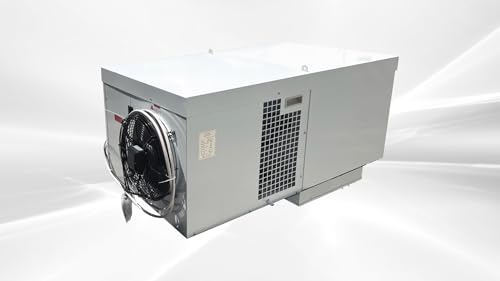
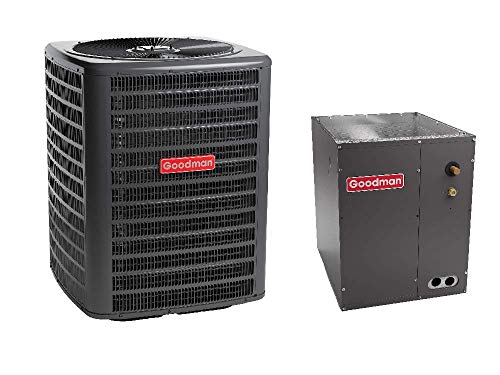
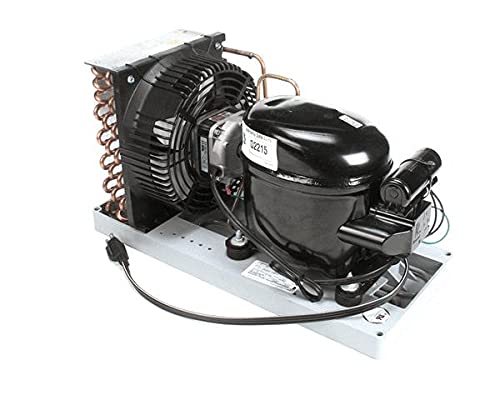
A condensing unit — also called an outdoor unit or condenser unit — is the large metal box that sits outside your home and forms half of a split-system air conditioner or heat pump. It contains the compressor, condenser coil, fan, and electrical controls. Its job is to release the heat that the indoor evaporator coil absorbs from your living space, completing the refrigerant cycle that cools your home.
During the cooling season, the condensing unit receives hot, high-pressure refrigerant gas from the compressor inside the unit itself. The outdoor fan pulls air across the condenser coil, and as the refrigerant releases heat to the outdoor air, it condenses into a liquid and travels back indoors to repeat the cycle. This process is central to how your HVAC refrigerant cycle works, and any inefficiency in the condensing unit directly reduces the cooling delivered indoors.
In a heat pump system, the condensing unit plays a dual role — in winter, the refrigerant flow reverses, and the outdoor coil absorbs heat from the outside air to warm your home. This is why heat pump outdoor units are sometimes called condensing units even though they perform both heating and cooling functions. To understand how the two system types differ, explore our comparison of HVAC heat pumps versus traditional air conditioners.
Key Components of a Condensing Unit
Although it looks like a simple box, the condensing unit contains several critical components that work together. Understanding each one helps you evaluate quality when shopping and recognize problems when they arise.
Compressor
The heart of the system. It pressurizes refrigerant gas so it can release heat outdoors. Compressor quality is the single biggest factor in unit durability and efficiency. Entry-level units typically use single-stage compressors, while premium and top-tier models use variable-speed or two-stage compressors for quieter, more efficient operation.
Condenser Coil
A network of copper tubing with aluminum fins that dissipates heat from the refrigerant. Coil design and fin density affect heat transfer efficiency. Premium units often use louvered fins and corrosion-resistant coatings for longer life in coastal or humid environments.
Outdoor Fan and Motor
Pulls outdoor air across the condenser coil. Fan blade design and motor type influence noise levels and energy use. High-end tier units often feature direct-drive ECM motors that run more efficiently and quietly than standard PSC motors.
Electrical Controls
Includes contactor, capacitor, and control board. These components manage compressor and fan operation. Solid-state control boards in newer units enable communication with smart thermostats and diagnostic features that simplify service.
Refrigerant Lines and Service Valves
The connection point between indoor and outdoor units. Service valves allow technicians to isolate the unit for repair without losing refrigerant. Quality valves and proper brazing are essential to prevent leaks — a leading cause of AC failure.
Cabinet and Base
The protective housing and mounting base. Durable construction with weather-resistant coating and a rust-proof finish extends the unit's life outdoors. Heavy-duty cabinets with good drainage help prevent corrosion and debris buildup.
Types of Condensing Units
Condensing units are classified by the compressor technology they use. This choice affects comfort, efficiency, and long-term reliability. When comparing options, consider how each type aligns with your climate and usage patterns.
| Type | How It Works | Best For |
|---|---|---|
| Single-Stage | Runs at full capacity or off, no modulation | Mild climates, starter-tier installations, simple systems |
| Two-Stage | Operates at full or partial capacity for better humidity control | Balanced tier, humid climates, homeowners wanting quieter operation |
| Variable-Speed (Inverter) | Modulates compressor speed continuously for precise temperature and efficiency | Top-tier comfort, extreme climates, long-term energy-conscious homes |
Single-stage units remain a solid choice for straightforward installations, but mid-range and high-end tier two-stage and variable-speed units deliver noticeably better comfort, especially in homes where humidity is a concern. The inverter technology used in variable-speed units allows the compressor to run at low speeds for longer periods, which reduces wear and keeps temperatures stable.
How to Choose the Right Condensing Unit
Selecting a condensing unit involves more than matching tonnage to square footage. The following factors should guide your decision:
- Correct sizing — The condensing unit must match the indoor evaporator coil and the home's cooling load. An oversized unit short-cycles, which wastes energy and fails to dehumidify properly. Undersized units run constantly and never satisfy the thermostat. A proper load calculation is essential — our HVAC design guide explains the methodology.
- Efficiency rating (SEER2) — Higher SEER2 ratings mean lower energy consumption over the system's life. For new installations, a SEER2 rating of 15 or higher is the practical baseline, with premium units exceeding 18. Read our explanation of SEER ratings to interpret the numbers accurately.
- Matched system components — The condensing unit must be matched with a compatible indoor coil and air handler. Mismatched components reduce efficiency and can void warranties. Always verify the AHRI match before purchase.
- Sound level — Outdoor units produce noise that can affect neighbors and outdoor living. Look for lower decibel ratings and consider placement away from bedroom windows and property lines.
- Durability features — Corrosion-resistant coatings, protected coils, and heavy-duty cabinets extend life, especially in coastal or humid regions. Premium materials make a measurable difference in longevity.
- Smart compatibility — Modern condensing units increasingly support communicating controls and smart thermostats, enabling better diagnostics and energy management. If you plan to add a smart thermostat, check compatibility first — our guide to smart thermostats without a C-wire covers common wiring considerations.
Installation and Placement Essentials
Proper installation of the condensing unit affects performance, efficiency, and lifespan. Key considerations include:
- Clearances — The unit needs adequate space for airflow on all sides. Blocked airflow reduces efficiency and strains the compressor. Maintain manufacturer-specified clearances and keep vegetation trimmed.
- Level mounting — The unit must sit on a level, stable pad. An unlevel base causes vibration, noise, and premature wear on the compressor.
- Electrical requirements — Condensing units typically require a dedicated 240V circuit with proper breaker sizing. Confirm your electrical panel can support the load — our guide on 110V vs 240V AC units explains the differences.
- Refrigerant line routing — Proper line sizing, insulation, and brazing prevent leaks and maintain efficiency. Improper installation is a leading cause of premature failure.
- Permits and professional installation — Most jurisdictions require a permit for HVAC replacement. Working with a licensed HVAC professional ensures code compliance and warranty validity. Our guide to choosing an HVAC contractor can help you vet installers.
For homeowners replacing an existing system, the scope of work may be smaller if ductwork and indoor components are in good condition. Our overview of central air installation with existing ductwork explains what to expect.
Maintenance for Long-Term Performance
Regular maintenance is the most effective way to protect your investment in a condensing unit. Neglected units lose efficiency quickly and fail years before their expected lifespan.
Seasonal Tasks
Before each cooling season, schedule a professional inspection that includes coil cleaning, refrigerant level verification, electrical connection checks, and compressor testing. Between professional visits, clear debris from around the unit, gently rinse the coil, and replace indoor air filters regularly. Our HVAC maintenance guide provides a complete checklist.
When to Call a Technician
If you notice reduced cooling, unusual noises, ice buildup on refrigerant lines, or the unit failing to start, seek professional service promptly. Ignoring early warning signs often leads to compressor failure — a repair that can approach the value of a new unit. Our overview of common AC problems helps you identify issues before they escalate.
Drainage and Coil Care
The indoor portion of the system relies on proper condensate drainage, which supports the condensing unit's efficiency by maintaining airflow. Learn about cleaning the AC drain to prevent water damage and indoor humidity issues that strain the entire system.
Filter Maintenance
Restricted indoor airflow forces the condensing unit to work harder, reducing efficiency and shortening compressor life. Regular cleaning of air conditioner filters is a simple habit that pays dividends across the whole system.
Frequently Asked Questions
What is the difference between a condensing unit and an air conditioner?
A condensing unit is one component of a complete air conditioning system. The full system includes the outdoor condensing unit and the indoor evaporator coil, air handler, and ductwork. In common usage, "air conditioner" refers to the entire system, while "condensing unit" specifically refers to the outdoor section containing the compressor and condenser coil.
How long does a condensing unit last?
With proper installation and regular maintenance, a condensing unit typically lasts 15–20 years. Lifespan depends on climate severity, usage patterns, maintenance quality, and unit tier. Premium units with corrosion-resistant construction and variable-speed compressors often reach the upper end of that range.
Can I replace just the condensing unit without the indoor coil?
In most cases, no. The condensing unit and indoor coil are designed as a matched system. Replacing only the outdoor unit with a mismatched indoor coil reduces efficiency, can void warranties, and may cause reliability problems. Best practice is to replace both components together when upgrading.
Why is my condensing unit making a loud noise?
Loud or unusual noises often indicate a mechanical issue — a failing fan motor, loose components, debris in the cabinet, or compressor wear. Persistent noise should be evaluated by a technician. Ignoring it can lead to more extensive damage and unexpected downtime.
How often should the condenser coil be cleaned?
Professional coil cleaning is recommended annually as part of spring maintenance. In dusty environments or coastal areas with salt air, more frequent cleaning may be needed. Homeowners can gently rinse the outdoor coil between professional visits to remove surface debris.
Is a variable-speed condensing unit worth the additional investment?
For many homeowners, yes. Variable-speed condensing units deliver better humidity control, quieter operation, and lower energy consumption over time. The higher upfront investment is often recovered through improved comfort and reduced energy usage across the unit's life. Consider your climate and comfort priorities when deciding.
Ready to Choose Your Condensing Unit?
You now understand the role, components, and selection criteria for condensing units. Explore recommended options below, or consult a licensed HVAC professional to confirm sizing and compatibility for your home.
EXPLORE OPTIONS