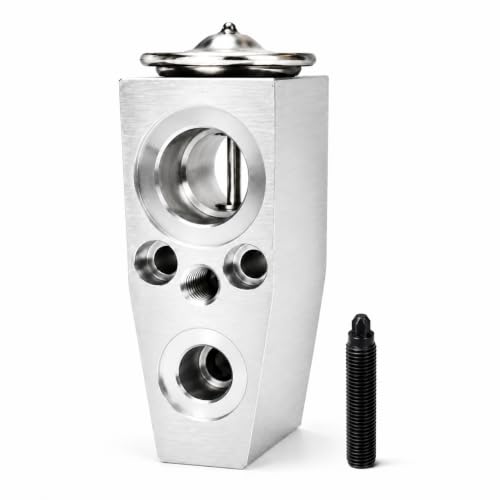
Air Conditioner Expansion Valve Replacement: What You Need to Know
If your AC is blowing warm air, frosting over, or struggling to cool, the expansion valve could be the culprit. This guide explains how the valve works, how to recognize failure, and what a replacement involves so you can decide your next step with confidence.
Quick orientation: The expansion valve is a small but critical component that regulates refrigerant flow into the evaporator coil. When it fails, cooling performance drops and the compressor can be stressed. Understanding the symptoms early helps you avoid bigger repairs.
What Is an AC Expansion Valve?
The expansion valve — often a thermostatic expansion valve (TXV) — sits between the condenser and the evaporator coil. Its job is to meter the exact amount of liquid refrigerant entering the evaporator while dropping the refrigerant pressure. This pressure drop causes the refrigerant to boil and absorb heat from your indoor air. Without proper metering, the system cannot cool efficiently.
There are two common types: the thermostatic expansion valve, which uses a sensing bulb to adjust flow based on evaporator temperature, and the electronic expansion valve (EEV), which is controlled by the system's circuit board. Both serve the same purpose, and both can fail. Modern inverter systems often use EEVs for precise control. If you are still comparing system types, our guide on inverter AC technology explains how these components fit into the bigger picture.
Symptoms of a Failing Expansion Valve
Expansion valve problems often mimic other AC issues, so a proper diagnosis matters. Watch for these signs:
- Insufficient cooling: The AC runs but the air is only mildly cool or warm. This is the most common complaint.
- Frost or ice buildup: Ice on the outdoor unit, refrigerant lines, or evaporator coil suggests the valve is over-restricting flow.
- Hissing or whistling: A stuck or partially blocked valve can create unusual noises as refrigerant passes through.
- Compressor stress: The compressor may run continuously, overheat, or trip its internal protector. Left unchecked, this can lead to compressor replacement.
- High head pressure: A valve stuck open can flood the evaporator and raise system pressures, reducing efficiency.
If you notice any of these, have a licensed technician perform a diagnostic. A faulty valve is not a DIY fix because it involves refrigerant handling and system evacuation.
Repair or Replace the Expansion Valve?
Some technicians attempt to clean or adjust a sticking valve, but most TXVs are sealed and not serviceable. Replacement is the standard approach when the valve is clogged with debris, stuck, or failed electronically. The good news is that the valve itself is a relatively small component compared to major parts. The overall service involves labor, refrigerant recovery and recharge, and system testing.
Before authorizing the work, ask the technician to confirm the diagnosis with pressure readings and superheat/subcooling measurements. Misdiagnosis is common, and you do not want to replace a valve when the real issue is a refrigerant leak or a failing transformer. A thorough diagnostic protects your investment.
What Affects the Scope of the Job
Every installation is different, and the effort required varies. The main factors include:
- System type: A split system with easy access to the evaporator coil is simpler than a packaged unit or a mini-split with concealed lines.
- Valve type: Electronic expansion valves may require additional diagnostics and calibration compared to mechanical TXVs.
- Refrigerant type: Systems using newer refrigerants may require specific handling procedures and equipment.
- Access and location: Coils located in attics, crawlspaces, or tight closets increase labor time.
- Additional repairs: If the technician finds a leak, a clogged filter drier, or damaged lines, those add to the job.
For a broader view of how individual component repairs fit into overall system upkeep, see our guide on air conditioning unit repair. It helps you weigh when a repair makes sense versus planning for a larger upgrade.
How the Replacement Process Works
A professional replacement typically follows these steps:
- The technician recovers the refrigerant from the system into a recovery machine.
- The faulty expansion valve is accessed and removed. On some systems, the valve is brazed in place; on others, it uses flare or threaded connections.
- A new valve of the correct capacity and refrigerant compatibility is installed.
- The system is evacuated with a vacuum pump to remove moisture and non-condensables.
- Refrigerant is recharged to the manufacturer's specified weight or according to superheat/subcooling targets.
- The system is tested for proper operation, and pressures and temperatures are verified.
This is not a job for untrained hands. Refrigerant handling is regulated, and improper installation can damage the compressor. If you are evaluating whether to repair or replace the whole system, our comparison on AC replace vs repair offers a practical framework.
Preventing Premature Valve Failure
Expansion valves rarely fail on their own. Debris, moisture, and acid in the system are common culprits. Regular maintenance — including filter changes and professional tune-ups — keeps the refrigerant circuit clean. If your system has had a compressor burnout, the valve should be replaced as part of the cleanup to prevent repeat failure. Our AC tune-up service guide explains what a proper maintenance visit includes.
Also, ensure the system is correctly charged. An undercharged or overcharged system stresses the valve and compressor. If you suspect a leak, address it before replacing the valve, otherwise the new part may fail again. Our article on AC coolant leaks covers the signs and repair options.
When to Call a Professional
Any symptom that points to the sealed refrigerant circuit warrants a licensed HVAC technician. DIY refrigerant work is unsafe and illegal in many jurisdictions without certification. A qualified pro will diagnose accurately, handle the refrigerant responsibly, and ensure the system is left in proper working order. If you are also considering a larger system upgrade, our overview of AC system replacement can help you plan.
Finally, keep records of the repair. If the valve fails again within the warranty period, documentation helps with a claim. And if the system is aging and facing multiple repairs, it may be time to evaluate a new unit. Our guide on replacing an air conditioner outlines the factors to consider.
Frequently Asked Questions
What are the signs of a failing AC expansion valve?
Common signs include insufficient cooling, frost or ice on the outdoor unit or refrigerant lines, hissing or whistling sounds from the valve, and the compressor running continuously without reaching the set temperature.
Can a faulty expansion valve be repaired instead of replaced?
In some cases, a valve may be cleaned or adjusted, but most modern thermostatic expansion valves are sealed units. Replacement is generally the more reliable long-term solution, especially when the valve is sticking or clogged with debris.
How long does an expansion valve replacement take?
A typical replacement takes between two and four hours for a qualified technician, including refrigerant recovery, valve replacement, evacuation, and recharge. Complex installations or difficult access can extend the time.