What Is an Air Conditioner Coolant Leak?
An air conditioner coolant leak occurs when refrigerant — the chemical fluid that absorbs heat from your indoor air and releases it outdoors — escapes from the sealed system. Your AC does not "use up" refrigerant the way a car consumes fuel. In a healthy system, the refrigerant charge remains constant for the life of the unit. If the level drops, refrigerant is escaping somewhere.
Modern systems use refrigerants such as R-410A or the newer R-32 and R-454B blends. These chemicals circulate under pressure between the indoor evaporator coil, the outdoor condenser coil, and the compressor. A leak can develop at any joint, coil, or valve in that closed loop. Understanding how an AC works helps you appreciate why a small leak has an outsized effect on performance.
Signs You Have a Coolant Leak
Refrigerant leaks rarely announce themselves with a single dramatic event. Instead, they produce a cluster of symptoms that worsen over time. Watch for these warning signs:
1. Weak or No Cooling
The most common symptom. Air from the vents feels lukewarm even when the thermostat calls for cooling, and the unit runs continuously without reaching the set temperature.
2. Hissing or Bubbling Sounds
A hissing noise near the indoor coil or line set often indicates pressurized gas escaping through a small crack. Bubbling can signal refrigerant boiling off at a leak point.
3. Ice Buildup on Coils
Low refrigerant causes the evaporator coil to drop below freezing, forming frost or ice on the indoor coil and sometimes the refrigerant lines.
4. Oily Residue on Connections
Refrigerant carries lubricating oil. A greasy, oily film around fittings, valves, or coil joints is a strong visual clue that a leak is present.
5. Higher Energy Consumption
A system low on charge must run longer to achieve the same cooling, driving up electricity usage noticeably compared with previous months.
6. Warm Air From Vents
When refrigerant is severely depleted, the system may blow air at room temperature or even warm air, similar to the symptoms covered in our central AC fan running but no air blowing guide.
Common Causes of Refrigerant Leaks
Leaks develop for several reasons, and identifying the root cause matters because it determines the repair approach:
- Vibration and mechanical wear. Years of operation loosen flare fittings and braze joints, opening microscopic gaps.
- Corrosion on coils. Formicary corrosion and rust pinholes are frequent culprits on copper evaporator and condenser coils.
- Poor installation practices. Improperly torqued fittings or inadequate vacuum during installation create leak-prone connections. Review our common installation mistakes to see what to avoid.
- Physical damage. Lawn equipment, pets, rodents, or accidental impact can puncture exposed line sets or coil tubing.
- Manufacturing defects. Occasional factory defects in coil brazing or valve seals appear within the warranty period.
- Age-related deterioration. Seals and O-rings harden and shrink over time, especially in systems over a decade old.
Why You Should Never Ignore a Coolant Leak
A refrigerant leak is not a problem that resolves itself. As the charge drops, the compressor works harder and runs hotter. Compressor lubrication depends on refrigerant flow, so a starved compressor can seize or burn out — one of the most costly failures in any HVAC system. If your system is already showing symptoms, our guide on air conditioner compressor repair explains what a failing compressor looks like.
How Technicians Detect and Repair Coolant Leaks
Professional leak detection is methodical. A technician will typically follow a sequence like this:
- Visual inspection of all accessible joints, coils, and valves for oil residue and corrosion.
- Electronic leak detection using a sensitive sniffer that responds to trace refrigerant gas.
- Pressure testing with dry nitrogen to confirm system integrity and isolate the leak zone.
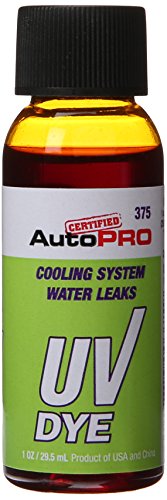
- UV dye testing where the leak is elusive; the dye glows under ultraviolet light at the escape point.
- Repair by brazing, replacing the faulty component (coil, valve, or line section), or re-flaring connections as appropriate.
- Evacuation and recharge to the manufacturer's specified charge, followed by performance verification.
In some cases, the leak originates in a component that is more economical to replace than repair. If the technician recommends replacing the expansion valve, our expansion valve replacement guide covers what that involves. For systems where the evaporator coil itself is leaking, coil replacement may be the only durable fix.
Repair vs. Replace: How to Decide
When a coolant leak is confirmed, homeowners face a decision: repair the leak or replace the system. The right choice depends on the system's age, the leak location, and the unit's overall condition. Use this tier-based framework to think it through:
| System Condition | Tier | Best For | Recommended Path |
|---|---|---|---|
| Under 8 years old, single accessible leak, otherwise healthy | Entry-level repair | Straightforward joint or valve leak | Targeted repair and recharge |
| 8–12 years old, leak in coil or multiple leak points | Mid-range decision | Systems nearing end of typical service life | Compare repair against replacement quotes |
| 12+ years old, recurring leaks, R-410A phase-out concerns | High-end replacement tier | Long-term reliability and efficiency | Plan a full system replacement |
| Compressor damaged by chronic low charge | Top-tier overhaul | Systems requiring major component work | Full replacement is usually the sounder investment |
If repair is the chosen path, ask the technician to document the leak location and the warranty coverage on the repair. Many manufacturers warrant parts for years, which can tilt the math toward repair. If replacement looks likely, review our replace vs. repair cost analysis for a structured comparison, and consider whether a maintenance contract would protect the new system.
Preventing Future Coolant Leaks
No system is immune to leaks, but consistent care dramatically lowers the risk:
- Schedule annual tune-ups. A professional AC tune-up service includes pressure checks that catch slow leaks early.
- Keep coils clean. Dirty coils accelerate corrosion; follow our filter cleaning routine and coil cleaning guidance.
- Protect the outdoor unit. Trim vegetation, secure the pad, and prevent lawn equipment from striking line sets.
- Watch for ice. Ice on the indoor coil is a red flag — shut the system down and call a technician rather than running it.
- Do not top off refrigerant. A system that needs "topping off" has a leak. Recharging without repair only delays the inevitable.
Frequently Asked Questions
How do I know if my AC is leaking coolant or just needs a cleaning?
Weak cooling and ice buildup overlap with dirty-filter symptoms, but a coolant leak usually adds oily residue, hissing sounds, or a system that never reaches the set temperature. A technician's pressure test gives a definitive answer.
Can a coolant leak fix itself?
No. Refrigerant escapes through a physical opening that will not close on its own. Sealants sold to consumers are not a permanent or recommended solution and can void warranties.
How long does a coolant leak repair take?
An accessible joint repair typically takes a few hours including evacuation and recharge. Coil replacements can take a full day or require a return visit for parts.
Does homeowners insurance cover coolant leaks?
Typically no. Standard policies cover sudden accidental damage, not mechanical failures or gradual refrigerant loss. Review your policy or ask your insurer directly.
What should I do right now if I smell refrigerant?
Turn the system off, ventilate the area by opening windows, avoid open flames, and contact a licensed HVAC technician. Refrigerant vapors are heavier than air and can displace oxygen in enclosed spaces.
Ready to Compare Replacement Options?
If your leaking system is nearing the end of its service life, explore our curated selection of air conditioners below to find the right fit for your home's size and needs.
VIEW RECOMMENDED UNITS