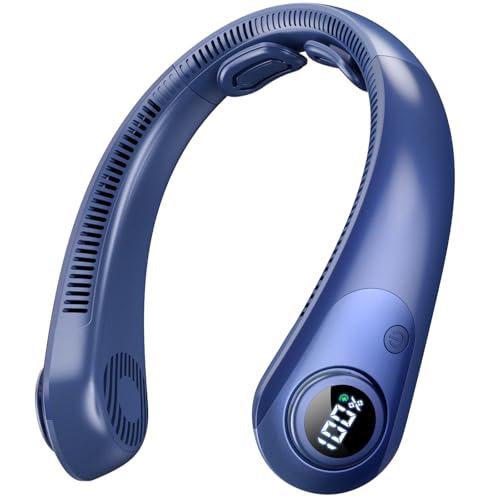
Air Conditioner for the Neck: Complete Personal Cooling Guide
Everything you need to know about wearable neck cooling devices, how they work, who benefits most, and how to choose the right personal air conditioner for the neck.
Why focus on the neck? The neck is one of the body's most efficient cooling points. A dedicated air conditioner for the neck targets this area directly, delivering concentrated airflow and cooling relief that feels immediate and localized. This guide explains the technology, the practical use cases, and how to select a device that fits your lifestyle.
What Is an Air Conditioner for the Neck?
An air conditioner for the neck is a compact, wearable personal cooling device designed to rest around the neck and deliver cool airflow directly to the skin. Unlike conventional room air conditioners, these devices are not meant to cool an entire space. Instead, they create a micro-climate around the wearer's neck and upper chest, which is where thermal discomfort is often felt most acutely.
Most neck air conditioners combine a small fan or blower with a semiconductor cooling plate, often called a Peltier element. The fan circulates air while the cooling plate lowers the temperature of the contact surface. Some models use evaporative cooling, while others rely purely on high-velocity airflow. The result is a portable, hands-free cooling experience suitable for commuting, outdoor work, travel, and indoor environments without adequate ventilation.
How Does a Neck Air Conditioner Work?
Understanding the mechanism helps you evaluate whether a neck cooler matches your expectations. There are three primary technologies used in modern neck air conditioners:
1. Semiconductor (Peltier) Cooling
A Peltier element creates a temperature difference when electrical current passes through it. One side becomes cool while the other releases heat. In a neck air conditioner, the cool side contacts the neck, and a fan dissipates heat away from the body. This technology delivers a noticeable cooling sensation, especially in dry environments. Premium and high-end tier models often use this method because it provides a more pronounced cold effect compared to fan-only designs.
2. Fan-Based Airflow Cooling
Fan-only neck devices circulate ambient air across the neck and face. They do not actively lower air temperature, but they accelerate evaporative cooling from the skin. These entry-level and mid-range devices are lightweight, energy-efficient, and reliable. They perform best in breezy or semi-outdoor settings and are a solid choice for users who prefer a simple, durable design without complex electronics.
3. Hybrid and Evaporative Systems
Hybrid neck air conditioners combine fan airflow with a cooling plate or a moisture-retaining pad. Some designs use a small water reservoir to enhance evaporative cooling. These mid-tier to high-end tier devices offer balanced performance and are particularly effective in hot, dry climates. However, they require more maintenance, such as refilling water or replacing cooling pads.
Important distinction: A neck air conditioner is a personal cooling device, not a replacement for a room air conditioner. It is designed for targeted relief and mobility. If you need to cool an entire room, refer to our guides on air conditioners for rooms without windows or explore floor-standing air conditioner options for broader coverage.
Who Should Consider a Neck Air Conditioner?
Neck cooling devices serve a distinct audience. They are not designed for everyone, but for specific situations they offer unmatched convenience:
- Commuters and travelers: People who spend time on public transport, in crowded stations, or in vehicles without strong air conditioning benefit from hands-free cooling.
- Outdoor workers and event attendees: Construction workers, gardeners, festival-goers, and sports spectators can stay comfortable during prolonged sun exposure.
- Office workers in warm environments: If your workplace has uneven cooling or you sit near heat-generating equipment, a neck air conditioner provides localized relief without disrupting colleagues.
- People with medical heat sensitivity: Individuals who experience discomfort in hot flashes or heat intolerance may find targeted neck cooling helpful, though medical advice should always be sought first.
- Home users in transitional seasons: When running a full air conditioning system feels excessive, a neck cooler offers a lightweight alternative.
If you are cooling a bedroom, living room, or apartment, a dedicated room unit is more appropriate. You can explore our resources on air conditioners for one-bedroom apartments or living room and kitchen cooling solutions for broader guidance.
Key Features to Evaluate Before Buying
When comparing neck air conditioners, focus on features that directly affect comfort, usability, and longevity. The table below summarizes the most important considerations.
| Feature | Why It Matters | Typical Tier |
|---|---|---|
| Cooling technology | Peltier plates provide active cooling; fan-only designs rely on airflow. Choose based on climate and desired intensity. | Entry-level to premium |
| Battery life | Longer runtime supports full workdays and outdoor sessions. Look for USB-C charging for convenience. | Mid-range to high-end tier |
| Weight and fit | A lighter device reduces neck strain during extended wear. Adjustable arms improve comfort across body types. | All tiers |
| Noise level | Quiet operation is essential for office and library use. Fan speed settings help balance airflow and sound. | Mid-range and above |
| Build quality | Durable construction and flexible materials prevent cracking and improve long-term reliability. | Premium and professional-grade |
| Airflow control | Multiple fan speeds and adjustable vents let you tailor cooling intensity to the environment. | Mid-tier to top-tier |
Types of Neck Air Conditioners
Wearable U-Shaped Neck Coolers
The most common design, these devices rest on the shoulders and curve around the neck. They typically feature dual fans or cooling plates and are designed for all-day wear. Entry-level models focus on airflow, while premium versions include active cooling plates and app connectivity.
Neckbands with Cooling Plates
These are slimmer, band-style devices that prioritize direct skin contact with a cooling surface. They are ideal for users who want a discreet profile under a collar or during meetings. Mid-range and high-end tier neckbands often include adjustable temperature settings.
Portable Neck Fans with Mist Function
Some hybrid devices add a fine mist to the airflow, enhancing evaporative cooling in dry heat. These are popular for outdoor sports and festivals. They require a water reservoir and more frequent cleaning, so they suit users who prioritize intense cooling over low maintenance.
How to Choose the Right Neck Air Conditioner
Selecting a neck air conditioner comes down to matching the device to your primary use case. Consider the following decision framework:
- For commuting and office use: Prioritize quiet operation, lightweight design, and a professional appearance. Fan-based mid-range models often strike the best balance.
- For outdoor work and sports: Look for durable construction, long battery life, and active cooling plates. High-end tier and professional-grade devices are built for sustained exposure.
- For travel and camping: Choose USB-C charging, compact storage, and a battery that lasts through a full day. Entry-level to mid-tier models with simple controls are practical and reliable.
- For heat-sensitive individuals: A device with a Peltier cooling plate and adjustable intensity provides more consistent relief than fan-only designs.
If you are also considering broader personal cooling options, our guide on portable air conditioners without window vents explains how larger personal units compare to wearable neck devices.
Maintenance and Care Tips
A neck air conditioner is a small electronic device, and proper care extends its lifespan:
- Clean the fan and vents regularly: Dust buildup reduces airflow and can cause overheating. Use a soft brush or compressed air.
- Wipe the cooling plate: Skin oils and sweat can reduce cooling efficiency. Use a slightly damp, lint-free cloth.
- Store properly: Keep the device in a dry place and avoid leaving it in direct sunlight or hot vehicles.
- Charge safely: Use the recommended charger and avoid overnight charging if the manufacturer advises against it.
- Check for wear: Flexible arms and hinges can loosen over time. Replace the device if the fit becomes unstable.
Neck Air Conditioner vs. Other Personal Cooling Methods
How does a neck air conditioner compare to handheld fans, cooling towels, and portable room units?
| Cooling Method | Best For | Limitations |
|---|---|---|
| Neck air conditioner | Hands-free, targeted cooling during commutes and outdoor activity | Does not cool a room; battery-dependent |
| Handheld fan | Quick relief and low initial outlay | Requires hand use; limited cooling intensity |
| Cooling towel | Outdoor sports and physical work | Needs re-wetting; temporary effect |
| Portable room AC | Cooling a defined space such as a bedroom or office | Bulkier; requires venting or drainage |
For users who need to cool a room without a window, our guide on air conditioner for a room without a window covers ventless and alternative solutions. For larger homes, see air conditioner for the house.
Frequently Asked Questions
Is a neck air conditioner as effective as a regular air conditioner?
No. A neck air conditioner provides localized, personal cooling. It is not designed to lower the temperature of a room. Its strength is portability and targeted relief, especially in situations where a full air conditioning system is unavailable or impractical.
Can I wear a neck air conditioner all day?
Most devices are designed for extended wear, but comfort depends on weight and fit. Choose a lightweight model with adjustable arms and take short breaks if you feel any neck strain. Battery life is typically the limiting factor for all-day use.
Do neck air conditioners work in humid climates?
Fan-based and Peltier devices work in humid conditions, though the cooling sensation may feel less intense because evaporative cooling from the skin is less effective. Evaporative or mist-based neck coolers are generally less effective in high humidity.
Are neck air conditioners safe for children and elderly users?
Many devices are suitable for older children and adults, but supervision is advised. Check the manufacturer's age recommendations. Elderly users or individuals with medical conditions should consult a healthcare professional before relying on personal cooling devices.
How do I clean a neck air conditioner?
Wipe the exterior and cooling plate with a damp cloth, clean the fan vents with a soft brush, and allow all components to dry completely before use. Avoid submerging electronic parts in water.