
Air Conditioner Is Not Cooling But The Fan Is Running? Here's What To Do
It's one of the most frustrating HVAC problems: you hear the fan blowing, but the air coming out of the vents is warm or room temperature. Before you panic and call a technician, use this guide to diagnose the issue yourself.
START TROUBLESHOOTINGThis specific symptom usually means the indoor blower motor is working, but the actual cooling process (the refrigeration cycle) is failing. The problem could be as simple as a dirty air filter or as serious as a failed compressor.
Top 10 Causes & DIY Fixes
Restricted airflow can freeze the evaporator coil, blocking cold air even though the fan keeps running. Check your filter and replace it if it's dirty.
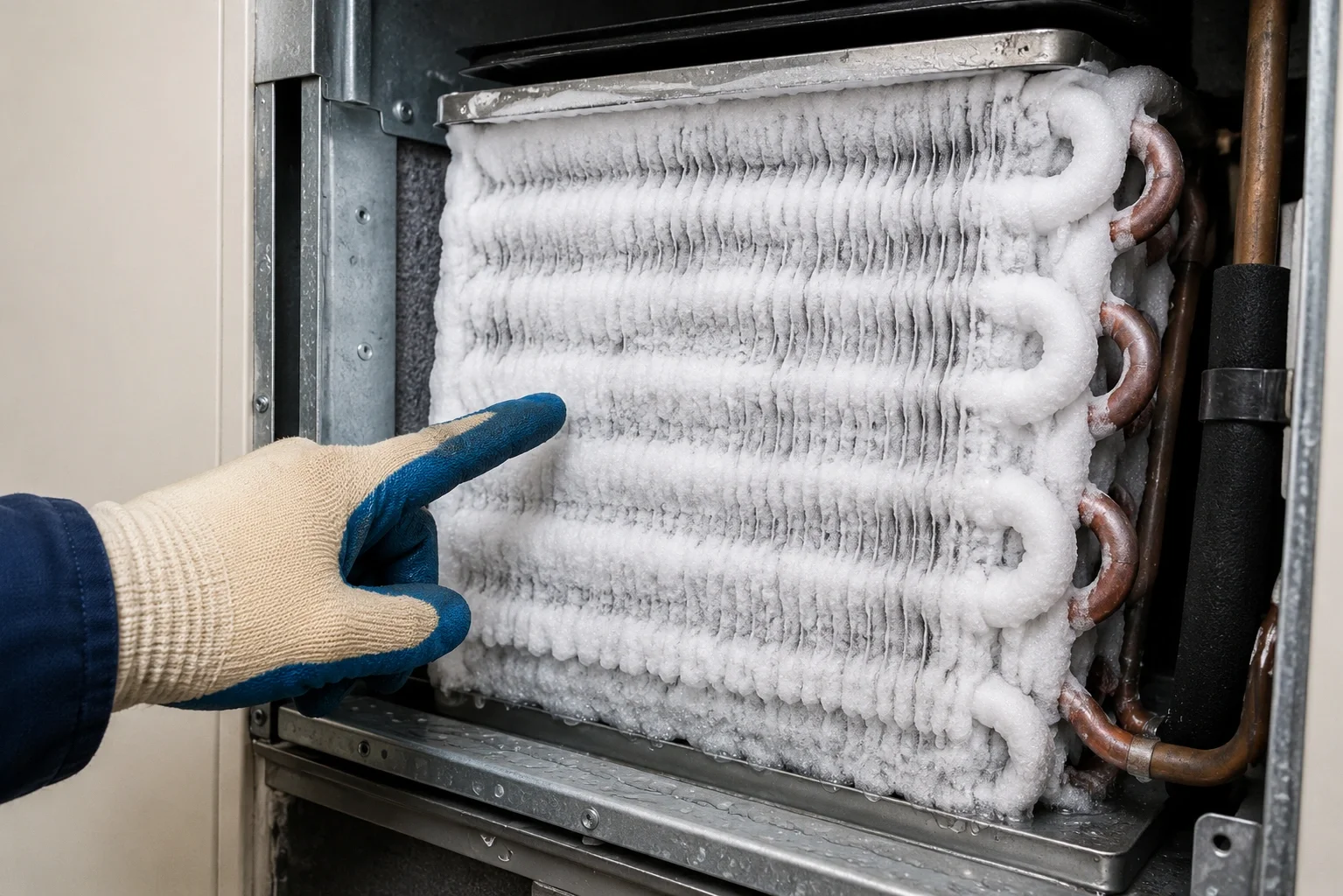
If you see ice on the indoor unit, turn the AC off immediately and run the fan only to defrost it. This is often linked to airflow issues or low refrigerant. See our guide on how to safely thaw a frozen coil.
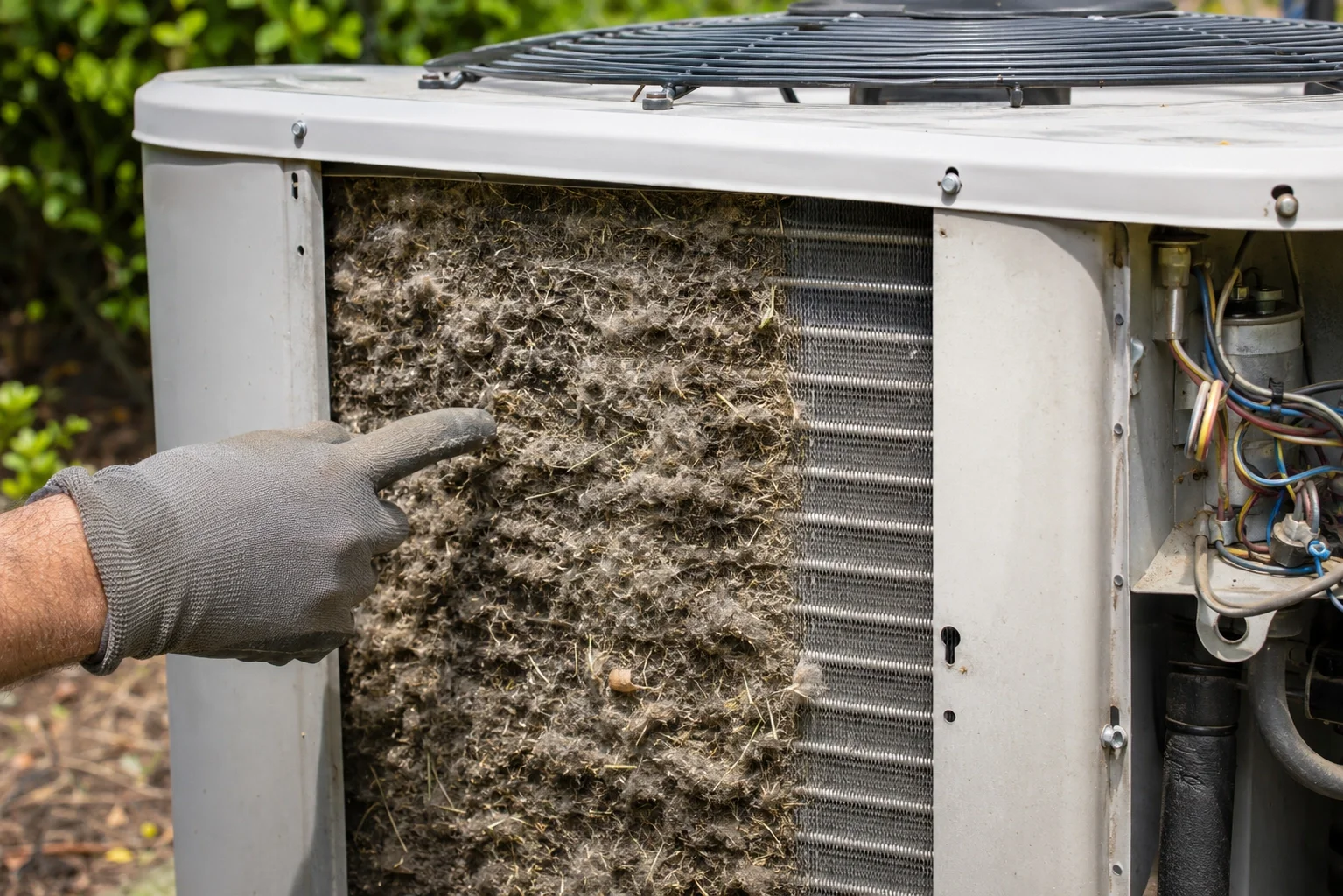
The outdoor unit needs to release heat. If the coils are covered in dirt, grass, or cottonwood, the system can't cool your home. Learn how to clean condenser coils safely.
Ensure the thermostat is set to "COOL" mode and the temperature is set lower than the current room temperature. A faulty thermostat might not be signaling the outdoor unit. Consider troubleshooting thermostat issues.
The outdoor unit's compressor and fan need a capacitor to start. If the fan outside is spinning but the compressor is silent, a bad capacitor is a likely culprit. This is a common HVAC repair issue.
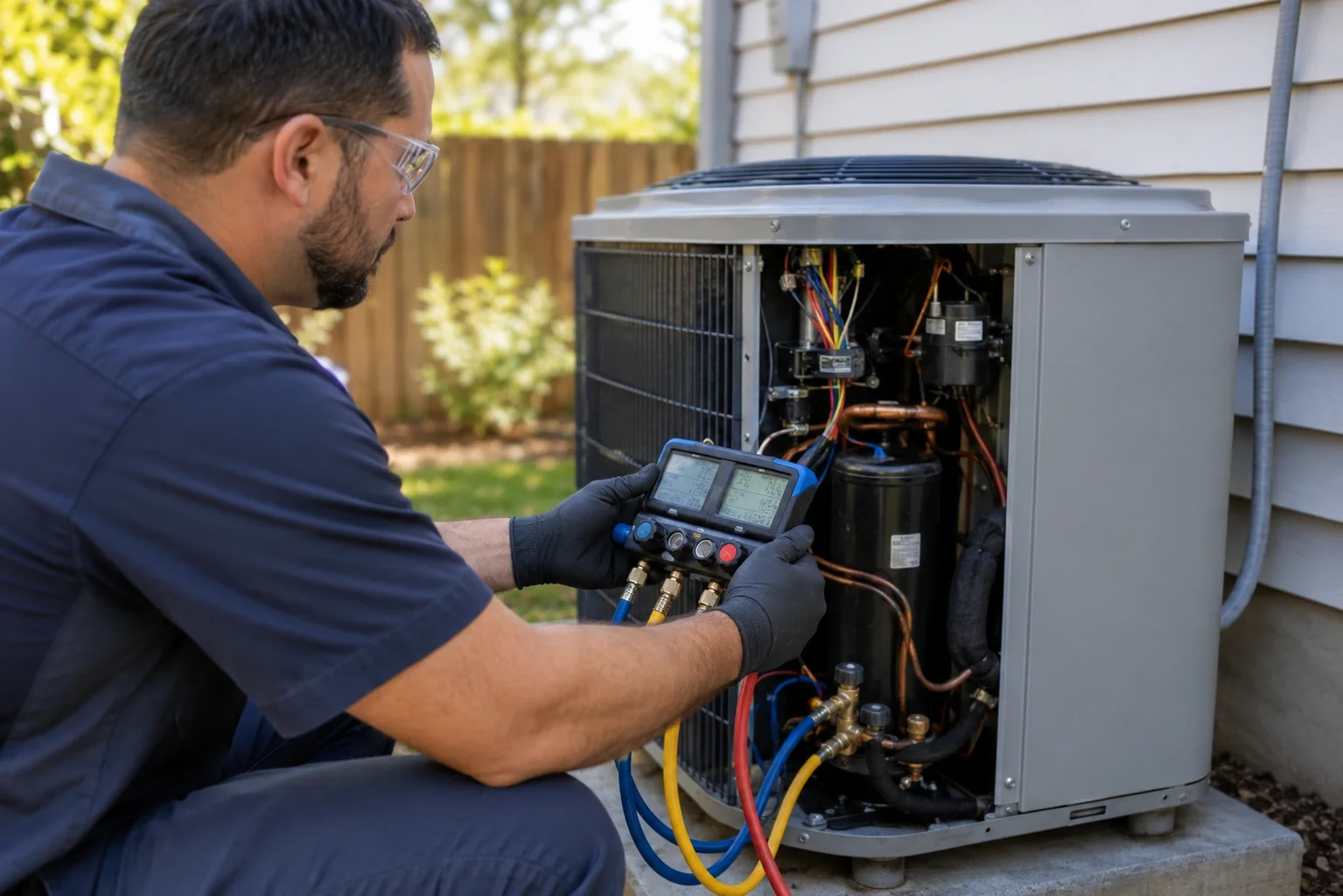
Air conditioners don't consume refrigerant. If it's low, you have a leak. This requires a professional to find and fix the leak, then recharge the system. Read about refrigerant leak repair.
Many outdoor units have a separate double-pole breaker. Check your electrical panel – if the breaker is tripped, the compressor won't run, but the indoor fan still can. Verify your AC's amperage and breaker size.
While less common for this symptom, a safety float switch may cut power to the compressor if the drain line is backed up, preventing water damage. Inspect the drain pan and clear any blockages.
If the compressor is dead, the system cannot pump refrigerant. This is often the end of the line for older units. In this case, you should compare the option of replacing the compressor versus the whole unit.
If it's a new problem on very hot days, your AC might simply be too small for your home. It will run continuously but never reach the set temperature. Find out what happens if your AC is too small.
What to Check First (3-Step Action Plan)
Go outside and look at the condensing unit. Is the large fan spinning? Do you hear the compressor humming? If the outdoor fan is not spinning at all, you have a power or capacitor issue. If it's spinning but the air blowing out of the top isn't hot, the compressor likely isn't starting.
Open the indoor air handler panel (turn the system off first!) and visually inspect the evaporator coils. If they are a block of ice, you must turn the AC to "OFF" and the fan to "ON" for several hours to defrost. A frozen coil is usually caused by a dirty filter or a refrigerant leak.
Even if it looks "okay," a slightly clogged filter can restrict enough airflow to drop the coil temperature below freezing. A standard 1-inch pleated filter should be replaced every 90 days, or even monthly during peak summer use. For maintenance tips, visit our AC filter cleaning guide.
When to Stop DIY and Call an HVAC Technician
While cleaning coils and changing filters are safe for most homeowners, certain issues require a licensed professional. A diagnostic service call typically falls in the mid-range tier for household repair expenses, but catching a small issue early can save you from a much larger premium-tier repair bill down the line.
- You suspect a refrigerant leak (hissing sounds, oily residue on lines). Handling refrigerants legally requires EPA certification.
- The compressor is making loud clanking, screeching, or buzzing sounds.
- You smell burning or see scorch marks near the air handler or outside unit.
- The system uses R-22 (Freon) and recharging it is no longer practical. You might need a condenser replacement or a full system upgrade.
If your AC is over 10 years old and the compressor has failed, it's often more economical in the long run to replace the entire system, especially with the new 2023 DOE efficiency standards. A new inverter-driven AC can cut your cooling bills by up to 40% compared to an old single-stage unit. Use our installation estimate guide to plan your budget for a new system, where entry-level systems sit at the lower end and premium high-efficiency systems command a higher tier depending on size and SEER2 rating.
Prevent Future Cooling Failures
Once you've solved the immediate crisis, protect your system from future breakdowns. Signing up for an annual AC maintenance plan—typically positioned in the mid-range tier for recurring home service expenses—includes the professional cleaning and inspection that prevent most of the issues on this list. Also, don't forget to check the placement of your outdoor unit—it needs at least 2 feet of clearance on all sides for proper airflow.


