Air Conditioner No Window Vent: Complete Cooling Guide
Discover how to cool a room without a window vent. Learn about portable ACs, ductless mini-splits, and alternative solutions for windowless spaces, basements, and interior rooms.
EXPLORE COOLING OPTIONSUnderstanding Your Cooling Challenge: Not every room has a window. Basements, interior offices, server rooms, and some apartments lack proper window access. This guide explains how an air conditioner can work without a traditional window vent, what alternatives exist, and how to choose the right solution for your specific space.
Why Traditional AC Units Need a Window Vent
Most window air conditioners and portable units rely on a vent kit that exhausts hot air outside. Without a window, these units cannot expel heat effectively, which means the room will not cool properly and the unit may overheat. This is why understanding ventless and ductless alternatives is essential for windowless rooms.
If you are dealing with a room that has no window at all, you may also find our guide on air conditioners for rooms without windows helpful. For apartment-specific situations, the apartment cooling guide covers additional constraints like landlord restrictions and shared walls.
Cooling Options Without a Window Vent
Ductless Mini-Split System
A ductless mini-split uses a small wall-mounted indoor unit connected to an outdoor compressor via a narrow conduit. It requires only a small hole in the wall (2–3 inches) rather than a full window. This is the most effective long-term solution for windowless rooms and offers excellent energy efficiency. Mid-range and premium tier models include inverter technology and heat pump capabilities.
Portable AC with Alternative Venting
Some portable air conditioners can be vented through a wall, a drop ceiling, or even a door gap using specialized kits. These are not truly ventless, but they do not require a window. Look for models with a dual-hose design for better efficiency. Entry-level units may struggle in larger rooms, while mid-range and high-end tier models perform better in medium-sized spaces.
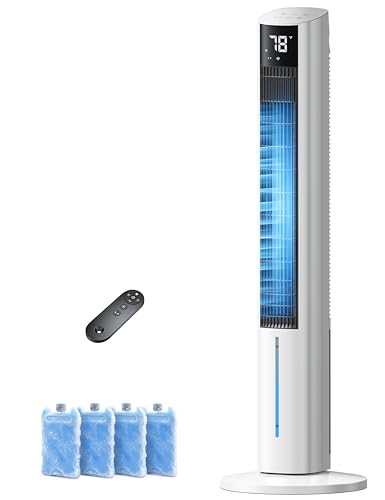
Evaporative Coolers (Swamp Coolers)
Evaporative coolers add moisture to the air and work best in dry climates. They do not require a window vent, but they are not true air conditioners and are ineffective in humid environments. This is an essential tier option for dry, well-ventilated spaces only.
Through-the-Wall AC
A through-the-wall unit is installed directly into an exterior wall. It does not need a window but does require cutting a permanent opening. This is a high-end tier solution for rooms with an accessible exterior wall and is common in hotels and older apartment buildings.
For rooms with very limited window access, such as narrow sliding windows or crank casement windows, specialized window kits and bracket systems may also be viable. Our guides on narrow sliding window ACs and crank casement window solutions explain these adaptations in detail.
Comparison of Ventless and Windowless Cooling Options
| Option | Tier | Best For | Vent Requirement |
|---|---|---|---|
| Ductless Mini-Split | Premium / High-End | Permanent cooling for interior rooms | Small wall hole (2–3 in) |
| Portable AC (Wall Vent Kit) | Mid-Range | Renters and temporary setups | Wall or ceiling vent |
| Through-the-Wall AC | High-End | Rooms with exterior wall access | Permanent wall opening |
| Evaporative Cooler | Essential | Dry climates, open spaces | None (but needs airflow) |
| Ducted Central System | Professional-Grade | Whole-home cooling with zoning | Ductwork throughout |
If you already have a central system but need targeted cooling for a windowless room, consider how condenser and air handler components work together. Proper zoning can redirect cool air to interior spaces without adding a new window unit.
Key Considerations Before You Choose
Room Size and BTU: For a windowless room, sizing is critical. Undersized units will run constantly and fail to cool the space. Use a BTU calculator based on square footage, ceiling height, and insulation. For rooms up to 150 sq ft, 5,000–6,000 BTU is typical; for 250–400 sq ft, look at 12,000–14,000 BTU.
Electrical Requirements: Mini-splits and through-the-wall units often require 240V circuits, while portable units typically run on 110V. Check your home's voltage compatibility before purchasing.
Installation Complexity: Ductless mini-splits require professional installation, while portable units are DIY-friendly. Through-the-wall units need wall modification and may require a permit. If you are in an apartment, check with your landlord before making permanent changes. Our guide on AC options for apartments covers these restrictions.
Noise and Maintenance: Mini-splits are generally quieter than portable units. Portable ACs require regular water drainage and filter cleaning. For maintenance tips, see our cooling fan guide and evaporator coil care articles.
Ready to Cool Your Windowless Room?
Explore our recommended air conditioners designed for spaces without traditional window vents. Compare features and find the right fit for your home or office.
VIEW RECOMMENDED UNITSFrequently Asked Questions
Can a portable air conditioner work without a window?
Not in the traditional sense. Portable ACs need to exhaust hot air somewhere. However, you can vent them through a wall, a drop ceiling, or a door gap using a vent kit. True ventless portable units do not exist for cooling purposes—evaporative coolers are a different category.
What is the best air conditioner for a room with no windows?
A ductless mini-split is generally the best solution. It requires only a small hole in the wall and provides efficient, quiet cooling. For renters, a portable AC with a wall vent kit is a practical alternative.
How do I vent a portable AC without a window?
You can use a wall vent kit, a ceiling vent, or a door frame adapter. These kits allow the exhaust hose to route hot air outside through a small opening. Make sure the vent is sealed properly to prevent hot air from re-entering the room.
Can I use a window AC unit without a window?
No. Window AC units require a window frame for support and to exhaust heat. For windowless rooms, choose a mini-split, through-the-wall unit, or portable AC with an alternative venting method.
Is a mini-split worth it for a single windowless room?
Yes, if you plan to stay in the space long-term. Mini-splits are efficient in the long run, quiet, and provide both cooling and heating. The initial investment is higher than a portable unit, but the performance and durability make it a worthwhile investment for permanent installations.
For more troubleshooting help with cooling issues, explore our guides on AC not cooling solutions and AC not blowing cold air.