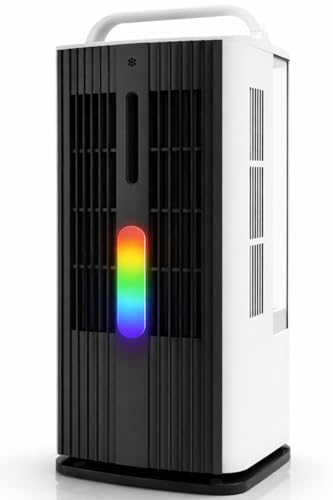
Air Conditioner Not Blowing Cold Enough Air
If your AC is running but the air coming out isn't as cold as it should be, you're not alone. This guide walks you through the most common causes, practical troubleshooting steps, and the point at which a professional technician should step in.
Quick summary: An air conditioner that isn't blowing cold enough air usually points to one of four categories — restricted airflow, a dirty or failing component, low refrigerant charge, or a problem with the outdoor unit. Most issues can be narrowed down with a simple checklist before any repair decision is made.
Common Causes of Weak AC Cooling
Understanding the root cause is the first step toward a lasting fix. The most frequent reasons an air conditioner is not blowing cold enough air fall into the following categories.
1 Clogged or Dirty Air Filter
A clogged filter restricts airflow across the evaporator coil, so the system cannot absorb heat efficiently. This is the most common and easiest fix. A dirty filter also forces the blower to work harder, reducing the volume of cold air reaching your rooms.
2 Low Refrigerant Charge
If the system has a refrigerant leak, cooling capacity drops gradually. The air may feel cool at the vent but not cold enough to cool the room. Low charge can also cause the evaporator coil to freeze, which further reduces cooling.
3 Dirty Condenser Coils
The outdoor condenser unit releases heat absorbed from your home. When its coils are covered in dust, leaves, or debris, heat transfer becomes inefficient and the system struggles to produce cold air indoors.
4 Frozen Evaporator Coil
A frozen coil blocks airflow entirely or partially. This is often caused by restricted airflow (dirty filter, closed vents) or low refrigerant. If you notice ice on the indoor coil or refrigerant lines, turn the system off and let it thaw before investigating further.
5 Faulty Blower Fan
If the blower fan is weak or failing, the system cannot push enough cold air through the ducts. You may hear the compressor running but feel only a faint breeze at the vents. This often requires a technician to diagnose the motor or capacitor.
6 Leaky or Blocked Ductwork
Duct leaks allow cold air to escape into unconditioned spaces such as attics or crawlspaces. Blocked or disconnected ducts can redirect cool air away from the rooms that need it most. A professional duct inspection can reveal these hidden losses.
7 Thermostat or Sensor Issues
A miscalibrated thermostat or a faulty temperature sensor can cause the system to cycle off too early, leaving the room warmer than the set point. Check the thermostat batteries and settings before assuming a mechanical failure.
8 Compressor or Electrical Problem
A compressor that is failing or a tripped breaker can prevent the system from cooling properly. If the outdoor unit isn't running at all while the indoor unit is on, this points to an electrical or compressor issue that requires professional attention.
Step-by-Step Troubleshooting
Before contacting a technician, work through the following steps in order. Most homeowners can complete the first five steps safely without specialized tools.
-
Replace or clean the air filter
Inspect the filter and clean or replace it if it looks gray or clogged. A clean filter restores airflow and is the fastest way to rule out a common cause. Check it again monthly during peak cooling season.
-
Confirm the thermostat settings
Make sure the thermostat is set to "cool" and the fan is set to "auto" rather than "on." A fan left running continuously will circulate air but may make the output feel less cold. Replace thermostat batteries if the display is dim.
-
Check all supply and return vents
Ensure no furniture, rugs, or curtains are blocking supply vents. Verify that at least 80% of the vents in the home are open. Closing too many vents can disrupt the system's static pressure and reduce overall cooling.
-
Inspect the outdoor condenser unit
Clear away leaves, grass clippings, and debris from around the condenser and air handler. Make sure the unit has at least two feet of clearance on all sides. Look for signs of ice buildup on the refrigerant lines.
-
Listen and observe the system
Turn the system on and listen. If you hear the indoor blower but the outdoor unit is silent, there may be an electrical issue. If both units run but the air is only slightly cool, low refrigerant or a dirty condenser coil is more likely.
-
Check the air temperature at the vent
Use a thermometer to measure the air at a supply vent close to the air handler, then compare it to the room temperature. A properly functioning system should deliver air roughly 15–20°F cooler than the return air. If the difference is smaller, cooling performance is reduced.
-
Inspect the condensate drain
A clogged condensate line can trigger a safety switch that shuts the system down. Look for standing water near the indoor unit or a drain pan that is overflowing. Clearing the drain is a simple fix but should be done carefully.
-
Reset the system
Turn the thermostat off, then switch the breaker for the AC off for about 30 minutes. Restore power and turn the system back on. This resets the control board and can resolve temporary lockouts caused by power fluctuations.
Symptom-to-Cause Reference Table
Use this table to narrow down the most likely cause based on what you are observing.
| What You Observe | Most Likely Cause | Next Step |
|---|---|---|
| Weak airflow from vents, air is slightly cool | Dirty filter or blocked vents | Replace filter, open vents |
| Outdoor unit not running, indoor fan running | Tripped breaker, capacitor, or compressor issue | Reset breaker, then call a technician |
| Ice on indoor coil or refrigerant lines | Low refrigerant or restricted airflow | Turn off system, thaw, then schedule service |
| Air feels cool at vent but room stays warm | Duct leaks, undersized system, or poor insulation | Inspect ducts, consider a load calculation |
| System runs constantly but never reaches set temperature | Low refrigerant, dirty condenser, or failing compressor | Professional diagnostic recommended |
| Strange noise or burning smell | Electrical fault or failing motor | Turn off system and call a technician immediately |
| Water pooling near indoor unit | Clogged condensate drain | Clear drain line, check drain pan |
Prevention and Maintenance Tips
Regular maintenance is the most reliable way to keep your air conditioner blowing consistently cold air. The following habits reduce the chance of a mid-season breakdown.
✓ Replace Filters Monthly
During peak summer use, a clean filter every 30 days protects airflow and helps the system maintain its rated cooling capacity. Homes with pets may need more frequent changes.
✓ Schedule Spring Tune-Ups
An annual professional inspection checks refrigerant levels, cleans coils, and verifies electrical connections before the cooling season begins. Catching small issues early prevents larger failures later.
✓ Keep the Outdoor Unit Clear
Trim vegetation and remove debris around the condenser unit. Good airflow around the outdoor coil is essential for efficient heat rejection.
✓ Seal Ducts and Insulate Lines
Leaky ducts waste cooling and can make rooms feel inconsistent. Sealing ducts and insulating refrigerant lines improves both comfort and efficiency in the long run.
When to Call a Professional
Some problems are safe to troubleshoot on your own. Others require licensed expertise. Call a qualified technician if any of the following apply:
| Category | Best For | Action Needed |
|---|---|---|
| Entry-level DIY | Filter replacement, vent checks, exterior cleaning | Safe for most homeowners |
| Mid-tier troubleshooting | Thermostat settings, breaker reset, condensate drain | Safe with basic precautions |
| High-end tier / professional | Refrigerant charge, compressor, electrical components | Licensed HVAC technician required |
| Commercial-grade | Ductwork redesign, system replacement, load calculation | Certified contractor recommended |
Ready to Explore Cooling Options?
If your system is aging and repairs are no longer practical, compare modern air conditioners built for efficiency and consistent cold-air delivery.
View Recommended Air Conditioners