Air Conditioner Pump Replacement: The Complete Guide
Understand how your AC condensate pump works, spot the warning signs of failure, and learn how to choose a reliable replacement — so your cooling system stays dry, efficient, and protected.
START LEARNINGWhy this matters: A failed condensate pump can lead to water damage, mold growth, and costly repairs. Learning how the pump works and when to replace it is one of the smartest maintenance decisions a homeowner can make. This guide walks you through every step before you buy.
What Is an Air Conditioner Pump?
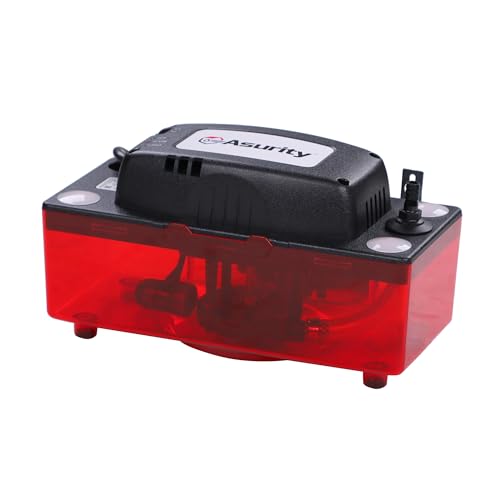
An air conditioner pump — commonly called a condensate pump — is a small device that removes the water your AC produces as it cools and dehumidifies the air. During normal operation, moisture collects in a drip pan or drain pan. When gravity drainage is not possible (for example, in a basement or a system installed below grade), the pump collects this water and pushes it upward to a remote drain, outside the home, or to a utility sink.
Without a functioning pump, condensate backs up. That backup can overflow the drip pan, damage drywall, warp flooring, and create conditions for biological growth. In many modern high-efficiency systems, the pump is not optional — it is the only path for water to escape.
If you want to understand the broader system the pump belongs to, our guide on the condenser and air handler explains how the indoor and outdoor components work together. The pump is a small but critical part of that indoor assembly.
How the Condensate Pump Works
Most residential pumps operate on a simple float-switch mechanism:
- Collection: Water drains from the AC evaporator coil into a small reservoir tank inside the pump.
- Float activation: As water rises, a float switch triggers the motor.
- Discharge: The motor pushes water through a discharge tube to a safe drainage point.
- Safety shutoff: Many pumps include a high-level safety switch that turns off the AC if the pump fails, preventing overflow.
Because the pump relies on a float and motor, it is a wear item. Over time, sediment, algae, and mineral buildup can jam the float or strain the motor — making replacement a normal part of long-term AC ownership.
Signs Your AC Pump Needs Replacement
Recognizing the early warning signs helps you avoid water damage and emergency repairs. Watch for:
- Water pooling around the indoor unit or near the air handler.
- Gurgling, rattling, or humming sounds that were not present before.
- Frequent AC shutdowns — often caused by a high-level safety switch tripping.
- Visible cracks, rust, or residue on the pump housing or tubing.
- Overflow from the drain pan or water stains on ceilings and walls.
- The pump runs continuously or does not run at all when water is present.
If your system is leaking water and you have already checked the drain line, the pump is one of the first components to inspect. Similarly, if the AC is on but no cold air reaches your rooms, a tripped safety switch on the pump may be the hidden cause.
Step-by-Step Replacement Overview
Replacing a condensate pump is a task many homeowners can handle with basic tools. The key is safety and matching the replacement to your system. Below is a simplified workflow:
Shut Off Power
Turn off the AC at the thermostat and the circuit breaker. Confirm power is off before touching wiring.
Drain and Disconnect
Remove water from the old pump, then disconnect the inlet and discharge tubing and the power leads.
Match the New Pump
Confirm voltage, tank size, and lift height. Position the new pump on a level surface at the same height.
Reconnect Tubing
Attach inlet and discharge lines securely. Use clamps where needed to prevent leaks.
Wire and Test
Reconnect power leads following the label diagram. Restore power and test with a small amount of water.
Monitor for 24 Hours
Check for leaks, unusual noise, and proper discharge. Confirm the safety switch works.
If you are not confident working with electrical connections, hire a licensed HVAC technician. A professional replacement also ensures the new pump is properly sized for your system's lift requirement.
How to Choose the Right Replacement Pump
Not all condensate pumps are interchangeable. Before you buy, match these specifications:
| Specification | What to Check | Best For |
|---|---|---|
| Voltage | Match the existing pump (commonly 115V or 230V) | All residential systems |
| Tank Capacity | About one gallon is standard for most homes | Standard residential AC |
| Lift Height | Maximum vertical discharge distance | Basement and below-grade installs |
| Safety Switch | High-level shutoff to protect the system | All homes — strongly recommended |
| Build Quality | Reinforced housing, rust-proof finish | Long-term investment |
In terms of market positioning, entry-level pumps handle basic drainage for single systems. Mid-range models add better float reliability and quieter operation. Premium and commercial-grade pumps offer heavier-duty motors, larger tanks, and longer service life — a solid choice for multi-zone homes or systems that run continuously.
For a deeper look at how your AC handles moisture and cooling, see our guide on the evaporator coil, where condensation actually forms before it reaches the pump.
Maintenance Tips to Extend Pump Life
- Clean the reservoir every few months to remove sediment and algae.
- Flush the discharge line with water to prevent clogs.
- Inspect tubing for kinks, cracks, or loose connections.
- Test the float switch by pouring a small amount of water into the tank.
- Schedule annual AC service — a technician will check the pump alongside the rest of the system.
Regular maintenance is especially important if your AC is constantly running but not cooling, since a struggling system produces more condensate and puts extra strain on the pump. It is also worth checking the pump whenever you notice the fan blowing but no cold air — a safety switch trip can mimic a cooling failure.
When to Call a Professional
While replacement is often straightforward, call a licensed technician if:
- You are unsure about voltage or wiring.
- The new pump does not activate during testing.
- Water continues to back up after replacement.
- Your system shows signs of refrigerant or electrical issues at the same time.
If your AC is showing broader symptoms, our troubleshooting resources on AC not cooling solutions and AC leak repair can help you determine whether the pump is the only problem or part of a larger issue.
Frequently Asked Questions
How do I know if my air conditioner pump needs replacement?
Common signs include water pooling around the indoor unit, gurgling or rattling sounds, frequent shutdowns, and visible rust or cracks on the pump housing. If the pump fails to move water, replacement is usually the most reliable fix.
Can I replace an AC condensate pump myself?
Yes, replacing a condensate pump is a manageable DIY task for many homeowners. It requires shutting off power, disconnecting the old pump, and matching tubing and voltage. If you are not comfortable with electrical connections, hire a licensed HVAC technician.
What size condensate pump do I need for my AC?
Most residential AC systems use a standard pump with a tank capacity of about one gallon and a lift height of 10 to 20 feet. Match the pump's voltage to your system and check the maximum lift requirement for your drain route.
How long does an air conditioner pump last?
A well-maintained condensate pump typically lasts 5 to 10 years. Build quality, water quality, and regular cleaning influence lifespan. Premium and commercial-grade pumps often last longer in heavy-use systems.
Ready to Find the Right Replacement Pump?
Explore our recommended AC pump options below and compare features before you decide.
EXPLORE OPTIONS