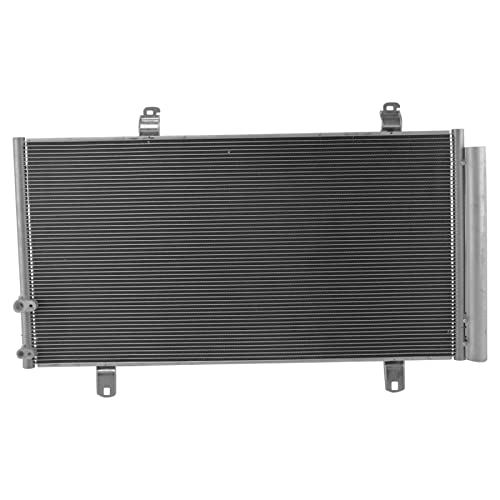
Air Conditioning Condenser Repair: Complete Troubleshooting Guide
Your outdoor condenser unit is the workhorse of your cooling system. When it struggles, the entire home feels the heat. This guide walks you through the most common condenser failures, the checks you can safely perform, and the moment when a licensed technician should take over — so you can make a confident, informed decision.
Start DiagnosingWhy Condenser Repair Matters
The condenser is where the heat absorbed from inside your home is released to the outside air. A healthy condenser keeps refrigerant pressure stable, keeps the compressor within safe operating limits, and keeps your energy consumption predictable. When a condenser problem is ignored, it rarely stays small — a dirty coil can strain the compressor, a failing fan motor can overheat the whole system, and a small refrigerant leak can eventually lead to a full system shutdown.
For homeowners and property managers, understanding condenser repair is about protecting a long-term investment. A well-maintained condenser contributes to a system that runs efficiently in the long run. A neglected one can turn a minor service call into a major replacement decision.
Safety first: The condenser runs on high-voltage electricity and contains pressurized refrigerant. Always switch off power at the disconnect box before touching any component, and never attempt to handle refrigerant without proper certification and equipment.
Common Symptoms of a Failing Condenser
Recognizing the early warning signs helps you act before a small issue escalates. These are the symptoms HVAC technicians encounter most often during condenser service calls:
Outdoor Unit Not Running
The thermostat calls for cooling, but the condenser fan and compressor stay silent. This can point to a tripped breaker, a failed capacitor, or a contactor problem.
Unusual Noises
Grinding, buzzing, clicking, or rattling from the outdoor unit often indicates a failing fan motor bearing, loose components, or electrical arcing.
Warm Air From the Condenser Fan
The condenser should discharge warm air. If the air feels cool or the fan barely moves, the fan motor or capacitor may be failing.
Ice on the Refrigerant Lines
Frost on the suction line points to low refrigerant charge or restricted airflow. This is often connected to a leak that requires professional repair.
Frequent Breaker Trips
A condenser that repeatedly trips the breaker suggests a short circuit, a failing compressor, or an overloaded electrical component.
High Energy Consumption
A condenser working harder than necessary — due to dirty coils or a failing fan — drives up electricity use without delivering better cooling.
If you notice the indoor unit running but the outdoor unit silent, or the fan spinning without cold air reaching the rooms, the condenser is a prime suspect. Related symptoms such as a fan spinning but no cold air or a unit that is on but not blowing cold air often trace back to condenser-side faults.
How the Condenser Fits Into Your Cooling System
Understanding the refrigerant cycle makes diagnosis far easier. The condenser sits outdoors and receives hot, high-pressure refrigerant gas from the compressor. As outdoor air passes over the condenser coils, the refrigerant releases heat and condenses into a liquid. That liquid then travels to the indoor evaporator coil, where it absorbs heat from your home and evaporates back into a gas — and the cycle repeats.
Any component in this loop can disrupt the balance. The condenser fan pulls air across the coils; the compressor pressurizes the refrigerant; the capacitor helps the fan and compressor start; and the contactor switches power on and off. When one of these parts degrades, the whole system feels it. That is why a thorough condenser maintenance routine pays off across the entire cooling season.
Most Common Causes of Condenser Failure
Technicians typically trace condenser repair calls to a handful of root causes. Knowing them helps you describe the problem accurately when you call for service.
Dirty or Blocked Condenser Coils
Dust, pollen, grass clippings, and cottonwood fluff coat the coil fins and insulate them from the outdoor air. The refrigerant cannot shed heat efficiently, pressures rise, and the compressor works harder. Regular coil cleaning is the single most effective preventive measure. For deeper cleaning guidance, see air conditioner condenser maintenance.
Failed Fan Motor or Capacitor
The condenser fan motor is exposed to heat, moisture, and debris year-round. Bearings wear out, capacitors lose capacitance, and the fan either stops spinning or spins too slowly. A fan that is not moving air will cause the compressor to overheat and trip on internal protection.
Contactor and Electrical Faults
The contactor is the switch that sends power to the compressor and fan. Pitted contacts, insect nests, and loose wiring cause intermittent operation or a completely dead condenser. Electrical faults are best diagnosed with a multimeter by a qualified technician.
Refrigerant Leaks
Low refrigerant charge from a leak forces the system to run longer and can freeze the indoor coil. Refrigerant is not consumed during normal operation, so a low charge always means a leak. Repairing the leak and recharging the system requires EPA-certified handling. Related reading: air conditioning fluid refill and can I add Freon to my central air conditioner.
Compressor Failure
The compressor is the most expensive component in the condenser. It can fail from prolonged overheating, electrical short, or mechanical wear. A seized or shorted compressor usually means a major repair decision. See AC compressor replacement for what that process involves.
Physical Damage to the Unit
Bent coil fins, debris impact, rodent damage to wiring, and corrosion from coastal salt air all reduce condenser performance. Bent fins can often be straightened with a fin comb; wiring damage should always be assessed by a professional.
Safe DIY Checks Before Calling a Technician
Several condenser issues can be identified — and sometimes resolved — without specialized tools. Work through these checks in order, and stop immediately if anything involves electrical panels, refrigerant lines, or unfamiliar components.
- Check the thermostat and breaker. Confirm the thermostat is set to cool and the temperature is below room temperature. Then check the outdoor disconnect box and the main electrical panel for a tripped breaker.
- Inspect the area around the condenser. Remove leaves, grass, and stored items within two feet of the unit. Restricted airflow mimics many mechanical failures.
- Look at the fan. With power off at the disconnect, try to spin the fan blade by hand. It should turn freely. A stiff or wobbly blade suggests a failing motor bearing.
- Clean the coil surface. With power off, rinse the condenser coils gently with a garden hose. Avoid high pressure, which can bend the fins. A commercial coil cleaner can help with stubborn buildup.
- Check the capacitor visually. A bulging or leaking capacitor is a clear sign of failure, but replacement should be handled by someone comfortable with electrical safety procedures.
- Listen and observe. After restoring power, listen for unusual sounds and watch whether the fan spins promptly. Note the behavior before calling for service.
Stop here if: you smell burning, see scorch marks, notice oily residue near refrigerant lines, or the breaker trips again immediately. These are signs that require a licensed professional.
What a Professional Condenser Repair Involves
When you call a reputable AC repair company or an independent AC repair tech, a condenser service visit typically follows a structured diagnostic sequence. Understanding the process helps you ask the right questions and evaluate the recommendation you receive.
| Repair Task | What the Technician Does | Typical Trigger |
|---|---|---|
| Coil cleaning | Applies coil-safe cleaner, rinses, and straightens bent fins. | Dirty coils, high head pressure. |
| Capacitor replacement | Tests capacitance, replaces the start/run capacitor. | Fan not starting, compressor humming. |
| Fan motor replacement | Removes the failed motor, installs a matched replacement, checks blade balance. | Grinding noise, slow or stopped fan. |
| Contactor replacement | Inspects contacts and wiring, installs a new contactor. | Pitted contacts, intermittent power. |
| Refrigerant leak repair | Locates the leak, repairs or replaces the affected line, evacuates and recharges. | Low charge, frost on lines, poor cooling. |
| Compressor replacement | Recovers refrigerant, replaces the compressor, verifies pressures and electrical draw. | Seized or shorted compressor. |
Ask the technician to explain the root cause, not just the failed part. A capacitor that keeps failing, for example, often signals a deeper electrical or motor problem. A reputable contractor will walk you through the diagnosis and offer options in plain language. If you are comparing contractors, our guide on choosing an AC repair company covers what to verify before booking.
Preventive Maintenance That Prevents Repairs
The majority of condenser repairs are avoidable with consistent, simple maintenance. Build these habits into your seasonal routine:
- Clear the perimeter. Keep at least two feet of clearance around the unit. Trim shrubs and remove debris after storms.
- Rinse the coils monthly during heavy use. A quick garden hose rinse removes surface dust before it bakes onto the fins.
- Schedule an annual professional service. A technician will check refrigerant pressures, electrical connections, capacitor health, and fan operation — catching small issues early.
- Replace indoor air filters regularly. Restricted indoor airflow strains the whole system, including the condenser. Our guide on air filters for AC vents explains how filter choice affects performance.
- Inspect after severe weather. Hail, wind-blown debris, and flooding can damage the condenser in ways that are not immediately obvious.
If your system is older or showing repeated symptoms, a professional air conditioner inspection can reveal whether a repair is the right path or whether the system is approaching the end of its service life.
Repair or Replace: Making the Right Call
The repair-versus-replace decision is one of the most common questions homeowners face. There is no universal answer, but a few practical guidelines help.
For a younger condenser — roughly under eight years old — a targeted repair is usually the sensible choice, especially if the issue is a capacitor, fan motor, or contactor. These are relatively straightforward component replacements that restore full performance. For an older unit facing a compressor failure or repeated refrigerant leaks, replacement often delivers better long-term reliability and efficiency. Our guide on AC replacement and whole-home AC replacement walks through what to expect.
Also consider the rest of the system. If the indoor coil and air handler are aging alongside the condenser, replacing the outdoor unit alone may not deliver the efficiency improvement you expect. A matched-system approach usually performs best.
Ready to Explore Replacement or Repair Options?
If diagnostics point toward a component replacement or a new condenser, compare specifications and reliability ratings before committing. Our curated selection below highlights models suited to different home sizes and efficiency priorities.
View Recommended UnitsFrequently Asked Questions
What are the most common signs that an AC condenser needs repair?
Common signs include the outdoor unit not running, unusual noises such as grinding or buzzing, warm air coming from the condenser fan, refrigerant leaks, and frequent circuit breaker trips. Any of these symptoms warrants a professional inspection.
Can I repair my AC condenser myself?
You can safely perform basic maintenance such as cleaning the condenser coils, straightening fins, and clearing debris around the unit. However, refrigerant handling, electrical repairs, and compressor replacement must be done by a licensed HVAC technician due to safety and legal regulations.
How often should the AC condenser be serviced?
A professional condenser service is recommended once per year, ideally before the cooling season begins. Homeowners should clean the coils and clear debris around the unit every few months during heavy usage periods.
How long does an AC condenser typically last?
With regular maintenance, a well-built condenser can last between 10 and 15 years. Coastal environments or areas with heavy airborne debris may shorten its lifespan, making annual inspections more important.
Is it better to repair or replace a failing condenser?
The decision depends on the unit's age, the repair type, and overall system condition. If the condenser is over a decade old and facing a major repair such as compressor failure, replacement is often the more sensible long-term path. A mid-range repair on a younger unit is usually worthwhile.