Air Conditioning Unit Cleaning: The Complete Maintenance Guide
A clean AC unit cools more efficiently, lasts longer, and keeps your indoor air healthier. This guide walks you through every cleaning task — from filters and coils to drain lines and outdoor condensers — so you can protect your system with confidence.
Start the Cleaning WalkthroughWhy Regular AC Cleaning Matters
An air conditioning unit is a mechanical system that moves thousands of cubic feet of air every day. Along with that air comes dust, pollen, pet hair, lint, and microscopic debris. Over time, these particles accumulate on filters, coils, blower wheels, and drain pans. The result is a system that works harder, consumes more energy, and delivers less cooling.
According to the U.S. Department of Energy, a clogged filter alone can increase energy consumption by 5 to 15 percent. Dirty coils reduce heat transfer efficiency, forcing the compressor to run longer cycles. In humid climates, a blocked condensate drain can overflow and damage ceilings, walls, and flooring.
Beyond efficiency, cleaning protects your indoor air quality. A neglected evaporator coil can become a breeding ground for mold and bacteria, which then circulate through your home. Regular cleaning keeps the system hygienic and extends its operational lifespan — a well-maintained air conditioning unit can serve reliably for 15 years or more.
How Often Should Each Component Be Cleaned?
The right cleaning frequency depends on usage, climate, and the presence of pets or dust. Use the table below as a practical baseline. Homes with pets, smokers, or residents with allergies should follow the shorter end of each interval.
| Component | Cleaning Frequency | Best For |
|---|---|---|
| Air filter | Every 1–3 months | All systems; monthly during peak season |
| Evaporator coil (indoor) | Once per year | Deep seasonal maintenance |
| Condenser coil (outdoor) | Twice per year | Before and after cooling season |
| Drain pan and line | Every 3–6 months | Humid climates; homes with high usage |
| Blower wheel | Once per year | Professional-grade deep cleaning |
| Exterior cabinet | Every 2–3 months | Quick wipe-down |
| Ductwork | Every 3–5 years | Professional assessment |
Tools and Supplies You Need
You do not need a workshop full of equipment to maintain an AC unit. The essentials below cover the vast majority of homeowner-level cleaning tasks. Gather everything before you begin so the process stays smooth and safe.
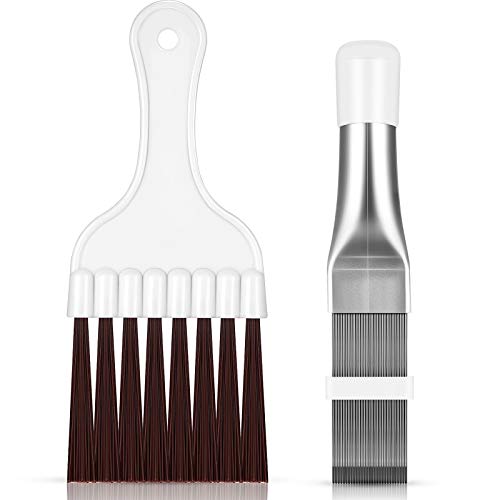
- Soft-bristle brush — for loosening dust from fins without bending them
- Fin comb — to straighten bent condenser fins
- Vacuum with brush attachment — for filters and accessible surfaces
- Coil cleaning solution — a dedicated no-rinse or rinse-required foam cleaner
- Garden hose with spray nozzle — for outdoor condenser rinsing
- Bucket and mild detergent — for drain pans and cabinet panels
- Replacement filter — matched to your unit's size and MERV rating
- Safety glasses and gloves — essential when working near coils and electrical parts
- Flashlight — to inspect drain lines, coils, and pan interiors
Step-by-Step AC Cleaning Walkthrough
The following sequence is safe for most split and central systems. Follow it in order to avoid recontaminating parts you have already cleaned. For window units, the same principles apply with the unit removed from the window for easier access.
- Power down the system. Switch the thermostat to OFF and turn off the breaker that feeds both the indoor air handler and the outdoor condenser. This protects you and the equipment.
- Clear the area around the outdoor unit. Remove leaves, grass clippings, and debris within a few feet of the condenser. Trim vegetation so airflow is unobstructed.
- Remove and clean the air filter. Slide out the filter and vacuum it, or wash reusable filters with mild soap and water. Let it dry fully before reinstalling. Replace disposable filters if they are visibly soiled.
- Wipe down the indoor cabinet and vents. Use a damp cloth with mild detergent to clean the air handler cover and supply registers. This prevents dust from being drawn back into the system.
- Clean the evaporator coil. Access the coil through the service panel. Apply a coil cleaner according to the product instructions, let it dwell, and allow condensate to flush it away. Do not scrub aggressively.
- Flush the condensate drain. Pour a cup of distilled vinegar or warm water down the drain pan and line. Inspect for slow drainage and clear any visible clogs.
- Clean the outdoor condenser coils. Vacuum loose debris, then rinse the fins with a garden hose from the inside out. Use a fin comb to straighten bent fins carefully.
- Reassemble and restore power. Reinstall panels and the filter, turn the breaker back on, and run the system for 15–20 minutes to verify normal operation and drainage.
If you notice unusual noises, ice formation, or water pooling after cleaning, stop the system and investigate. These symptoms often point to issues that go beyond routine maintenance, such as low refrigerant or a failing blower.
Filter Cleaning and Replacement
The air filter is the first line of defense for the entire system. It captures particles before they reach the blower and coils, and it is the component that most directly affects airflow. A dirty filter starves the system of air, which can lead to frozen evaporator coils and compressor strain.
How to clean a reusable filter
- Remove the filter from its slot and note the airflow direction arrow.
- Vacuum both sides with a brush attachment to remove loose dust.
- Rinse under lukewarm water; use mild dish soap for greasy buildup.
- Shake off excess water and let the filter air-dry completely.
- Reinstall with the arrow pointing toward the air handler.
When to replace instead of clean
Disposable filters should be replaced when they look gray and matted, or at the manufacturer's recommended interval. If you or a family member has allergies, choose a filter with a higher MERV rating, but confirm that your blower can handle the added resistance. High-MERV filters are effective for filtration but can reduce airflow in systems not designed for them.
Evaporator and Condenser Coil Care
Coils are where the heat exchange happens. The indoor evaporator coil absorbs heat from your home, while the outdoor condenser coil releases it. Both rely on thin aluminum fins to maximize surface area, and both lose efficiency when coated with dust or biological growth.
Evaporator coil cleaning
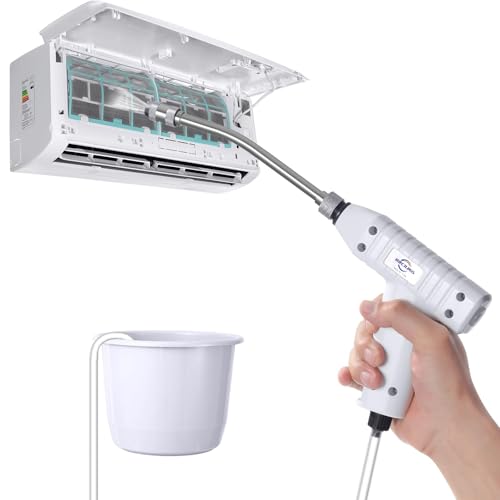
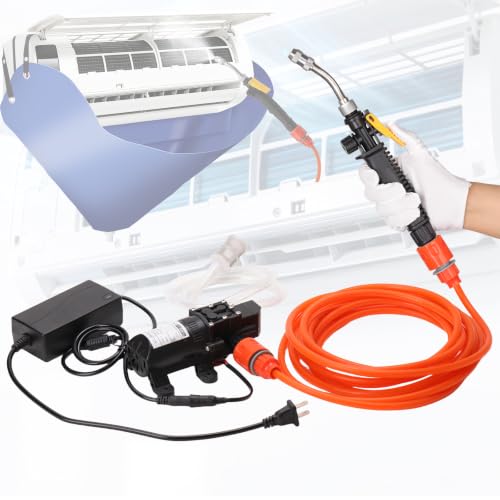
Access the coil through the air handler service panel. Use a no-rinse coil cleaner that foams on contact and drains away with condensate. On heavily soiled coils, a technician may need to perform a deeper cleaning with a pump sprayer and rinse collection. Because the evaporator sits in a wet environment, it is also prone to mold; a sanitizing coil treatment can help if odors persist.
Condenser coil cleaning
The outdoor coil is exposed to outdoor debris, so it needs attention at least twice per year. Vacuum the fins with a soft brush, then rinse from the inside out with a garden hose. Never use a pressure washer, which can flatten the fins and permanently reduce performance. Straighten bent fins with a fin comb for best airflow.
Drain Pan and Condensate Line Cleaning
As the evaporator coil removes humidity from the air, water collects in the drain pan and flows out through the condensate line. Over time, algae, dust, and biofilm can clog the line. The first sign is usually water pooling near the air handler or a musty odor.
To clean the drain system, first locate the pan and line. Wipe the pan interior with a mild detergent solution, then flush the line with distilled vinegar or warm water. If the line is slow, use a wet/dry vacuum at the exterior termination point to pull the clog free. A condensate pan tablet can help prevent future growth.
If the drain continues to back up after flushing, the clog may be deeper in the line or the pan may be cracked. In that case, call a professional before water damage occurs. Persistent leaks are a common reason homeowners search for air conditioning unit leaking water solutions.
Outdoor Condenser Unit Cleaning
The outdoor unit works hardest in summer, and it is also the most exposed to debris. A clean condenser rejects heat efficiently, which keeps compressor head pressure stable and reduces energy draw.
Begin by clearing a minimum two-foot clearance around the unit. Remove leaves and grass from the top grille and side fins. Vacuum the fins gently, then rinse with a hose from the inside out. Inspect the fan blades for debris and the motor for unusual play. If the fins are bent, straighten them with a fin comb. Finally, check that the unit sits level on its pad and that the disconnect box is secure.
If your system is not cooling properly even after cleaning, the issue may be refrigerant-related or mechanical. A qualified specialist can diagnose the problem; see our guide to air conditioning system not cooling for common causes and next steps.
Common Cleaning Mistakes to Avoid
- Using a pressure washer on coils. High pressure flattens fins and destroys heat transfer. Use a hose and gentle spray.
- Reinstalling a wet filter. Moisture promotes mold growth. Always let reusable filters dry completely.
- Skipping the drain line. A clean coil means nothing if condensate backs up and floods the closet.
- Working with power on. Always shut off the breaker before opening panels or touching components.
- Using harsh chemicals on indoor coils. Improper cleaners can corrode aluminum and leave residue that affects air quality.
- Ignoring the blower wheel. A caked blower wheel reduces airflow and is often overlooked. This task is best handled by a technician.
When to Call a Professional
Routine cleaning is within reach for most homeowners, but some tasks require training, tools, and licensing. Call a qualified technician if you encounter any of the following:
- Refrigerant leaks, ice on the coils, or a system that will not cool after cleaning
- Electrical faults, burning smells, or repeated breaker trips
- Mold growth that extends into ductwork or insulation
- Blower motor or wheel removal and deep cleaning
- Persistent drain clogs or water damage
Professional maintenance visits typically include coil cleaning, drain flushing, electrical inspection, and refrigerant charge verification. Many homeowners combine this with an annual tune-up for maximum reliability. If you need help locating a provider, our directory of air conditioning technicians is a practical starting point. You can also explore air conditioning service and maintenance options for scheduled care.
Frequently Asked Questions
How often should I clean my air conditioning unit?
Filters should be cleaned or replaced every 1 to 3 months depending on usage and environment. A full deep cleaning of coils and drain lines is recommended once a year, ideally before the cooling season begins.
Can I clean my AC unit myself?
Yes, routine tasks such as cleaning filters, wiping the exterior, cleaning accessible coils, and flushing the condensate drain can be done safely by homeowners. Tasks involving refrigerant, electrical components, or full coil removal should be handled by a qualified technician.
What happens if I never clean my AC unit?
Neglecting cleaning leads to reduced cooling capacity, higher energy consumption, frozen coils, water leaks, unpleasant odors, and premature failure of the compressor. Over time, accumulated dirt and debris shorten the lifespan of the entire system.
How do I clean the outdoor condenser unit?
Turn off power at the breaker, remove debris from around the unit, vacuum or brush the fins gently, rinse the coils with a garden hose from the inside out, and straighten bent fins with a fin comb. Never use a pressure washer, which can damage the fins.
Why does my AC smell bad after cleaning?
A lingering odor usually indicates microbial growth on the evaporator coil, in the drain pan, or inside the ductwork. Clean the drain pan, flush the drain line, and consider a coil sanitizer. If the smell persists, professional duct cleaning or coil treatment may be necessary.
Continue Your AC Maintenance Journey
Cleaning is one pillar of a broader maintenance routine. These related guides help you address specific issues and plan seasonal care.