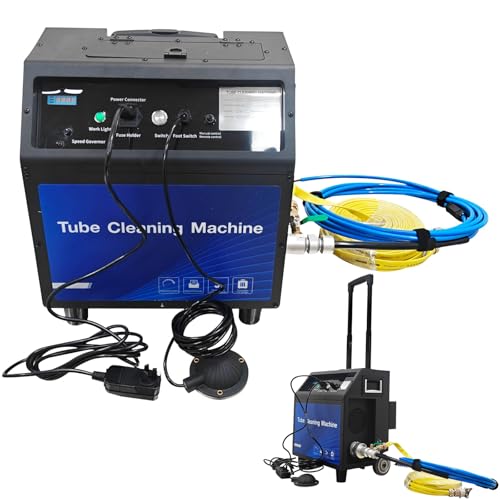
Air Duct Cleaning and Air Conditioning: A Complete Guide
Your air conditioning system is only as healthy as the ductwork that delivers its cool air. Learn how professional air duct cleaning and routine AC care work together to improve indoor air quality, restore airflow, and keep your system running efficiently for years.
Start LearningHow Air Duct Cleaning Relates to Air Conditioning
An air conditioning system does two jobs at once: it conditions the air (cooling and dehumidifying) and it distributes that air through a network of supply and return ducts. When ducts accumulate dust, pet dander, construction debris, or microbial growth, the system pushes those particles into living spaces every time it runs. Over time, restricted airflow also forces the blower and compressor to work harder, which reduces efficiency and shortens equipment life.
Duct cleaning is therefore not a standalone cosmetic service — it is a maintenance practice that supports the entire cooling system. A clean duct network allows conditioned air to reach rooms at the intended volume and temperature, while a contaminated network creates pressure imbalances, hot spots, and premature wear. When paired with routine air conditioner service and maintenance, duct cleaning helps preserve the performance your AC was designed to deliver.
Signs Your Air Ducts Need Cleaning
Not every home needs duct cleaning on a fixed schedule. The condition of the ductwork, presence of pets, recent renovations, and local climate all influence how often service is appropriate. Watch for these practical indicators:
- Visible dust or debris blowing out of supply registers when the AC starts.
- Persistent musty or stale odors whenever the cooling system runs.
- Unexplained increases in dust accumulation on furniture and surfaces.
- Allergy or respiratory symptoms that worsen indoors during cooling season.
- Recent renovation, remodeling, or pest activity inside the home.
- Visible mold growth or moisture stains around vents and duct joints.
- Uneven cooling between rooms despite a properly sized system.
If you notice these signs alongside weak airflow, it is worth investigating whether the issue is duct contamination or a mechanical fault. Problems such as an air conditioner running but not cooling can sometimes be traced to blocked or disconnected ducts rather than the compressor itself.
What Professional Air Duct Cleaning Involves
A reputable duct cleaning provider follows a structured process rather than a quick vacuum of the nearest vent. Understanding the steps helps you evaluate quotes and avoid superficial service.
1. Inspection and Assessment
Technicians inspect accessible duct runs, the air handler, and registers to identify contamination levels, disconnected sections, and moisture problems. Some providers use cameras to document conditions inside concealed ductwork.
2. Source Removal with Negative Pressure
A high-powered vacuum connected to the duct system creates negative pressure, preventing debris from escaping into living spaces. Agitation tools — brushes, air whips, or compressed air — dislodge adhered contaminants from duct walls so they can be captured by the vacuum.
3. Component Cleaning
Registers, grilles, and the air handler cabinet are cleaned separately. The blower wheel and evaporator coil area are inspected, since a dirty coil restricts airflow and reduces cooling capacity. This is closely related to the work described in air handler repair when components are damaged or blocked.
4. Sealing and Restoration
Loose joints and disconnected sections are resealed to prevent future contamination and air loss. Proper air duct sealing improves delivered airflow and reduces the load on the cooling equipment.
5. Verification
After cleaning, airflow and system operation are checked. A provider may confirm that supply registers deliver consistent air and that the system cycles normally rather than short cycling due to pressure changes.
Benefits of Clean Ducts for Your Cooling System
The table below summarizes how duct hygiene directly supports AC performance. Use it as a quick reference when deciding whether to schedule service.
| Benefit | How It Helps | Related System Area |
|---|---|---|
| Improved indoor air quality | Reduces dust, allergens, and debris entering living spaces | Supply and return ductwork |
| Restored airflow | Removes blockages that starve rooms of conditioned air | Registers, grilles, main trunk lines |
| Better cooling consistency | Balances delivery so each room receives intended volume | Branch ducts and dampers |
| Reduced equipment strain | Lower static pressure lets the blower run closer to design | Air handler and blower motor |
| Odor control | Removes microbial growth and trapped organic debris | Duct interiors and evaporator area |
| Extended system life | Less wear from restricted airflow and pressure imbalance | Compressor and blower assembly |
Combining Duct Cleaning with AC Maintenance
Duct cleaning delivers the most value when scheduled alongside routine cooling maintenance. Seasonal tune-ups address the mechanical components — refrigerant charge, electrical connections, condensate drainage — while duct cleaning addresses the delivery network. Together, they keep the system balanced and efficient.
If your system is showing performance problems, a combined approach is often the most practical path. For example, an air conditioning unit not cooling properly may suffer from both a dirty evaporator coil and restricted return ducts. A technician can diagnose which factor dominates before recommending service. Similarly, an air conditioning unit that fails to cool the house may have adequately charged refrigerant but undersized or leaky ducts.
In homes with chronic airflow complaints, it is often worth reviewing whether the duct system matches the equipment. If ducts are badly deteriorated, air duct repair may be necessary before cleaning provides a lasting benefit. For homes exploring filtration upgrades, a whole-home air filtration system for the home can complement clean ducts by capturing fine particles at the equipment.
Air Duct Cleaning and Indoor Air Quality
Indoor air quality is influenced by three factors: the source of contaminants, the ventilation available to dilute them, and the filtration that captures them. Duct cleaning addresses the reservoir — the accumulated material inside the distribution system. It does not replace filtration, but it reduces the load on filters and prevents accumulated debris from re-entering the air stream.
Households with pets, allergy sufferers, or occupants with respiratory sensitivity often see the most noticeable difference. Combining duct cleaning with a properly maintained filter and, where appropriate, a dedicated air purifier creates a layered approach to cleaner indoor air.
How Often Should Ductwork Be Cleaned?
There is no universal interval. The U.S. Environmental Protection Agency recommends considering duct cleaning when there is visible mold growth, vermin infestation, or substantial debris accumulation — not as a routine calendar event. In practice, many homeowners schedule cleaning every three to five years, sooner if they have pets, smoke indoors, or have completed a major renovation.
Homes with persistent comfort complaints should treat duct inspection as diagnostic rather than cosmetic. If rooms remain uncomfortable after cleaning, the underlying issue may be equipment sizing, refrigerant charge, or duct design — areas covered in guides on air conditioning and cooling fundamentals and an air conditioner taking a long time to cool.
Choosing a Qualified Duct Cleaning Provider
The quality of duct cleaning varies widely. Look for providers who follow recognized industry standards, such as those published by NADCA (National Air Duct Cleaners Association). A trustworthy provider will:
- Inspect the system before quoting and explain what will be cleaned.
- Use negative-pressure equipment and documented source-removal methods.
- Show before-and-after evidence, such as photos or video.
- Respect the distinction between cleaning, sealing, and repair.
- Avoid high-pressure sales tactics or unnecessary add-on services.
If your system also needs mechanical attention, choosing a provider who understands both ductwork and cooling equipment prevents finger-pointing between trades. General HVAC resources on air conditioning specialists and air conditioning companies near your location can help you shortlist local options.
DIY Duct Cleaning vs Professional Service
Homeowners can manage surface-level maintenance: replacing filters, vacuuming registers, and keeping return grilles unobstructed. However, cleaning concealed duct runs requires specialized equipment and access that consumer vacuums cannot replicate. Attempting to clean ducts with a shop vacuum can dislodge debris without capturing it, pushing contaminants into living spaces.
Professional service is the appropriate choice for contamination inside wall cavities, ceilings, and the main trunk. For routine filter changes and light maintenance, homeowners can follow basic air conditioner service and repair guidance without specialized tools.
Common Misconceptions About Duct Cleaning
"Duct cleaning always improves efficiency dramatically."
Cleaning restores airflow when ducts are genuinely obstructed, but it is not a cure-all for inefficient equipment. If the system is undersized, leaky, or low on refrigerant, cleaning alone will not resolve comfort problems.
"You should clean ducts every year."
Annual cleaning is rarely necessary in a well-maintained home with good filtration. Condition-based scheduling is more appropriate than calendar-based scheduling.
"Duct cleaning removes all indoor air contaminants."
Cleaning removes accumulated reservoir material, but ongoing sources — such as outdoor pollen, cooking emissions, and pets — continue to introduce particles. Filtration and ventilation remain essential.
Ready to Improve Your Cooling System?
Explore our curated selection of air conditioning units and duct care essentials to support a cleaner, more efficient home environment.
Explore OptionsFrequently Asked Questions
Does air duct cleaning really help air conditioning performance?
Yes, when ducts are genuinely contaminated or obstructed. Cleaning restores airflow and reduces the strain on the blower, but it should be combined with mechanical maintenance for the best result.
Can dirty ducts cause an AC to stop cooling?
Severely restricted ducts can reduce airflow enough to cause inadequate cooling, coil icing, or short cycling. However, an air conditioner that stops blowing cold air can also indicate refrigerant or compressor issues, so diagnosis is important.
How long does professional duct cleaning take?
Most residential jobs take a few hours depending on the number of vents, accessibility, and the level of contamination. Larger homes with multiple systems may require a full day.
Should duct cleaning be done before or after AC maintenance?
Cleaning before a tune-up allows the technician to inspect and adjust the system with clean ductwork in place, which is generally the more efficient sequence.
Do I need duct cleaning if I have a new AC system?
Not automatically. New equipment does not justify duct cleaning unless the existing ductwork has contamination, moisture, or damage. Inspect first, then decide.
Further Reading
Deepen your understanding of cooling system care with these related guides: air conditioning unit service, air conditioning unit tune-up, air conditioning vents replacement, and air conditioner vent fan.