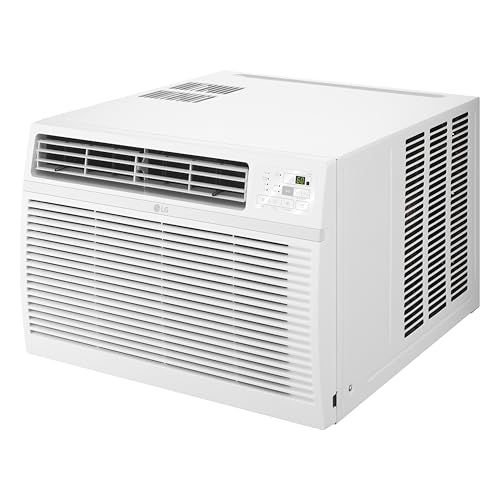
Air Conditioning Unit Without External Ventilation
Discover how ventless and ductless cooling systems work, where they fit best, and how to choose the right model for rooms that cannot accommodate traditional outdoor units or ductwork.
Explore the OptionsWhen people search for an air conditioning unit without external ventilation, they are usually dealing with a practical constraint: a room with no window, a rental where exterior modifications are not permitted, a historic building, or a space where running ductwork is simply not feasible. The good news is that several cooling technologies can deliver meaningful comfort without a conventional outdoor condenser or a large exhaust duct. The key is understanding what each technology can and cannot do, because "no external ventilation" means different things depending on the system.
This guide explains the main categories of ventless and low-ventilation cooling, compares their strengths and limitations, and helps you match a system to your room, climate, and usage pattern. If you are still exploring broader cooling concepts, the air conditioning and cooling overview provides useful context before narrowing down to a specific type.
Types of Cooling Without Full External Ventilation
Ductless Mini-Split Systems
Mini-splits use a small indoor air handler connected by refrigerant lines to an outdoor condenser. While they do require an exterior unit, they need no ductwork and only a small wall penetration for the line set. This makes them a strong choice for homes without ducts, additions, and rooms where extending central ducting is impractical. Modern inverter-driven models are among the most efficient options available and operate quietly.
For homes that cannot support ductwork at all, air conditioning options for homes without ductwork covers mini-splits and other alternatives in more detail.
Portable Air Conditioners
Portable units sit on the floor and exhaust hot air through a flexible hose that must be routed out a window or a small wall opening. They are not truly ventless, but they require far less permanent modification than window or central systems. Single-hose models are simpler to install but less efficient; dual-hose models perform better because they draw in outside air for cooling the condenser. These are a practical choice for renters and temporary setups.
Evaporative Coolers (Swamp Coolers)
Evaporative coolers add moisture to the air as they cool, and they do not use a compressor or refrigerant. They work best in hot, dry climates and generally require an open window or vent to allow air exchange; without airflow, humidity rises and comfort drops. They are not suitable for humid regions. Think of them as a climate-specific solution rather than a universal replacement for refrigerant air conditioning.
Personal and Spot Coolers
Small personal coolers, tower fans with cooling pads, and desk-sized spot units provide localized relief rather than room-wide temperature control. They consume little power and need no installation. They are best treated as comfort accessories for a desk, bed, or workstation — not as a substitute for a full room air conditioner.
Pros and Cons at a Glance
Advantages
- No major ductwork or structural changes required
- Mini-splits and portable units can be installed in rentals with landlord approval
- Zoned cooling lets you condition only the rooms you use
- Modern inverter mini-splits are highly energy efficient
- Quieter operation than many window units
- Evaporative coolers use very little electricity
Limitations
- Most refrigerant systems still need some heat rejection path
- Portable units can be less efficient than fixed systems
- Evaporative coolers only perform well in dry climates
- Mini-split installation requires a qualified technician
- Personal coolers do not lower room temperature significantly
- Improper venting can reduce efficiency and raise indoor humidity
How to Choose the Right System
Start by defining what "without external ventilation" means for your situation. If you have a small wall or window opening that can accommodate a hose or line set, a portable unit or mini-split becomes viable. If you have absolutely no path to the exterior, your realistic options narrow to evaporative cooling (in dry climates) and personal spot cooling. Matching the technology to the physical constraint is the single most important decision.
Next, measure the room and estimate the cooling load. A unit that is undersized will run constantly and still feel warm, while an oversized unit may short-cycle, leaving the space clammy. Room size, ceiling height, sun exposure, occupancy, and appliance heat all matter. For a structured approach, review the guidance on why an air conditioning unit may not cool properly, since many of the same sizing and airflow principles apply to ventless setups.
| System | Exterior Requirement | Best For | Tier Positioning |
|---|---|---|---|
| Ductless mini-split | Small wall penetration for line set; outdoor condenser required | Whole-room comfort, additions, homes without ducts | Premium to top-tier |
| Portable AC (dual-hose) | Window or wall opening for exhaust hose | Rentals, temporary rooms, medium spaces | Mid-range |
| Portable AC (single-hose) | Window opening for exhaust hose | Small rooms, occasional use | Entry-level to mid-range |
| Evaporative cooler | Open window or vent for airflow | Dry climates, garages, workshops | Entry-level |
| Personal spot cooler | None | Desk, bedside, single-person relief | Essential tier |
Efficiency ratings deserve careful attention. For mini-splits and portable units, higher SEER and EER values indicate better energy performance over the season. Inverter compressors modulate speed instead of switching on and off, which improves both comfort and efficiency. If you are comparing compressor technologies, the air conditioning unit without external unit discussion provides additional context on how ventless-adjacent systems are marketed and what claims to verify.
Noise is another practical factor, especially in bedrooms and home offices. Mini-split indoor heads are typically the quietest option, followed by modern portable units. Evaporative coolers produce fan noise but no compressor hum. Personal coolers vary widely in quality, so read owner feedback on airflow and motor noise before committing.
Installation and Maintenance Considerations
Mini-split installation is best handled by a licensed HVAC technician because it involves refrigerant handling, vacuuming the line set, and electrical work. Portable units can be set up by the user but benefit from proper window sealing to prevent hot air from re-entering. Evaporative coolers need regular pad replacement and water quality management to avoid mineral buildup and odors. Across all types, filter cleaning is the most frequent maintenance task and has the largest effect on performance.
If your unit starts behaving inconsistently — cycling on and off rapidly, running constantly without cooling, or failing to reach the set temperature — the troubleshooting resources on air conditioner short cycling and air conditioner running constantly but not cooling can help you diagnose common causes before calling a professional.
Frequently Asked Questions
Can an air conditioner truly work without any external ventilation?
Only evaporative coolers and personal spot coolers operate without any exterior connection. Refrigerant-based systems must reject heat somewhere, so they need at least a small exhaust path, a wall penetration, or an outdoor unit. Be cautious of products marketed as fully ventless air conditioners — most are evaporative devices or personal coolers rather than true refrigerant AC.
What is the best option for a room with no window?
If the room has no window and no wall opening, a mini-split is usually not feasible without some penetration. In that case, evaporative cooling (in dry climates) or a personal spot cooler are the realistic choices. If a small wall opening can be made, a ductless mini-split offers the best comfort and efficiency.
Are ventless units as effective as traditional air conditioners?
It depends on the type. A properly sized mini-split delivers comfort comparable to central air in the rooms it serves. Portable units are effective in small to medium rooms when vented correctly. Evaporative coolers and personal coolers provide partial relief rather than full room temperature control.
Do I need a professional to install a ductless mini-split?
Yes. Mini-split installation involves refrigerant lines, electrical connections, and proper vacuuming of the system. DIY installation risks refrigerant leaks, voided warranties, and safety hazards. A licensed technician ensures the system is charged and commissioned correctly.
How do I keep a portable unit performing well?
Seal the window opening around the exhaust hose, clean or replace the filter regularly, drain the condensate tank, and avoid single-hose configurations in hot rooms when a dual-hose model is available. Also keep the unit away from walls and furniture so airflow is not restricted.
Choosing an air conditioning unit without external ventilation is ultimately about honesty with your constraints. Identify the smallest exterior connection you can reasonably make, size the system to the room, and prioritize efficiency and quiet operation for the spaces you use most. If you are still comparing form factors, the air conditioning unit without window guide and the air conditioner that does not need a window overview can help you weigh your options side by side.
View Recommended Models Below ↓