Air Conditioning and Cooling: The Complete Guide
Everything you need to understand about air conditioning and cooling systems — from technology and sizing to efficiency, maintenance, and choosing the right solution for your home.
Start LearningUnderstanding Air Conditioning and Cooling
Air conditioning and cooling are often used interchangeably, yet they describe different scopes of indoor climate control. Cooling refers to the simple act of reducing temperature, while air conditioning is a comprehensive process that cools, dehumidifies, filters, and circulates air to create a comfortable and healthy indoor environment.
Modern air conditioning systems have evolved far beyond basic temperature reduction. Today's units integrate advanced inverter compressors, smart thermostats, multi-stage cooling, and high-efficiency refrigerants to deliver precise comfort while minimizing energy consumption. Understanding how these systems work — and what separates one type from another — is the foundation for making an informed decision.
Whether you are cooling a single bedroom, a whole house, or a commercial space, the principles remain consistent: proper sizing, correct installation, and regular maintenance determine how well any system performs over its lifespan. This guide walks you through each of these factors so you can approach your purchase with confidence.
How Air Conditioning and Cooling Systems Work
At its core, an air conditioner moves heat from inside your home to the outside environment using a refrigeration cycle. The process involves four key components: the compressor, condenser, expansion valve, and evaporator. Refrigerant circulates through these components, absorbing heat indoors and releasing it outdoors.
The evaporator coil inside your home absorbs heat and moisture from the air, while the condenser coil outside releases that heat. The compressor acts as the system's engine, pressurizing refrigerant to drive the cycle. This continuous loop is what makes air conditioning and cooling possible even on the hottest days.
Understanding this cycle helps you diagnose common problems. For instance, if your air conditioner is running but not cooling, the issue often traces back to refrigerant levels, airflow restrictions, or a failing compressor. Recognizing these symptoms early can prevent more extensive repairs.
Types of Air Conditioning and Cooling Systems
Choosing the right system depends on your home's architecture, existing infrastructure, and cooling requirements. Here are the most common categories:
Central Air Conditioning
Central systems distribute cooled air through ductwork to every room. They are ideal for homes with existing ducts and provide uniform comfort. Modern central units offer high SEER2 ratings and variable-speed operation for precise temperature control.
Ductless Mini-Split Systems
Mini-splits deliver cooling directly to individual rooms without ductwork. They are excellent for additions, older homes, and spaces where extending ducts is impractical. Each indoor unit operates independently, allowing zone-specific comfort.
Window Air Conditioners
Window units are self-contained systems that fit into a window opening. They are a practical solution for single rooms and apartments. Modern window units include inverter technology and smart controls for improved efficiency.
Portable Air Conditioners
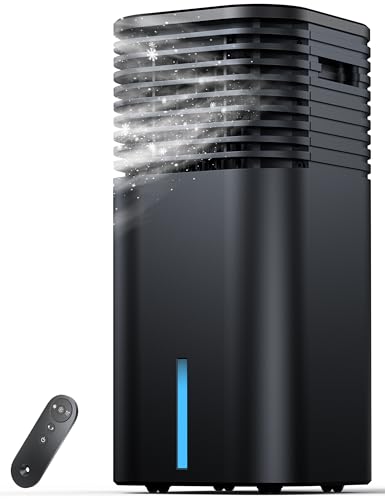
Portable units offer flexibility and can be moved between rooms. They require venting through a window or wall. While less efficient than fixed systems, they provide targeted cooling for temporary or rental situations.
Through-the-Wall Units
These units install permanently through an exterior wall, freeing up window space. They are common in hotels and apartments and offer a more secure installation than window units.
Floor-Mounted Systems
Floor-standing units are ideal for rooms where wall or ceiling mounting is not feasible. They provide powerful cooling and are often used in living rooms and open spaces.
For homes without ductwork, exploring air conditioning options for homes without ductwork opens up possibilities like mini-splits and high-velocity systems. If you need a system that cools an entire house, whole-house air conditioning solutions provide comprehensive coverage.
Sizing Your Air Conditioning and Cooling System
Proper sizing is the single most important factor in air conditioning performance. An undersized unit will struggle to maintain comfort during peak heat, while an oversized unit will cool too quickly, leading to short cycling, inadequate dehumidification, and premature wear.
Cooling capacity is measured in British Thermal Units (BTU). A general rule of thumb suggests 20 BTU per square foot of living space, but this is only a starting point. Factors such as ceiling height, window area, insulation quality, occupancy, and local climate all influence the actual requirement.
A professional load calculation — often based on Manual J methodology — accounts for these variables and delivers an accurate sizing recommendation. For a more detailed breakdown of sizing principles, refer to our guide on air conditioner units for rooms and air conditioning units for small spaces.
If you are cooling a larger property, understanding what size unit suits a 1,700 square foot house can help you contextualize capacity requirements. Similarly, air conditioning units for small apartments require a different approach than whole-home systems.
Energy Efficiency in Air Conditioning and Cooling
Efficiency ratings are the benchmark for comparing air conditioning systems. SEER (Seasonal Energy Efficiency Ratio) and its updated SEER2 standard measure cooling output relative to energy input over a typical cooling season. Higher ratings indicate greater efficiency and lower operational energy use.
EER (Energy Efficiency Ratio) measures efficiency at a specific outdoor temperature, while HSPF (Heating Seasonal Performance Factor) applies to heat pump systems. For cooling-focused buyers, SEER2 and EER are the most relevant metrics.
Inverter technology has transformed efficiency in modern ACs. Unlike traditional single-stage compressors that cycle on and off, inverter compressors modulate speed continuously, maintaining consistent temperatures while consuming less energy. This is particularly beneficial in climates with moderate cooling demands.
When evaluating ENERGY STAR certified window air conditioners, look beyond the label — consider how the unit's features align with your usage patterns. For smart homes, Wi-Fi enabled air conditioners offer remote control and scheduling that can further optimize energy use.
Installation Considerations for Cooling Systems
Even the most efficient system underperforms if installed incorrectly. Proper installation ensures optimal airflow, correct refrigerant charge, and safe electrical connections. Key considerations include placement of indoor and outdoor units, ductwork design, and electrical panel capacity.
For window and portable units, installation is more straightforward but still requires attention to sealing and support. Air conditioning units without a window — such as through-the-wall or mini-split systems — require professional installation but offer greater flexibility and security.
If your home lacks external ventilation options, air conditioning units with no external ventilation like evaporative coolers or certain portable designs may be worth exploring, though their cooling effectiveness varies by climate.
Maintenance and Troubleshooting for Air Conditioning and Cooling
Regular maintenance extends the lifespan of any cooling system and preserves efficiency. Essential tasks include cleaning or replacing filters, clearing condenser coils, checking refrigerant levels, and inspecting electrical connections. Scheduling professional air conditioner service and maintenance annually is a worthwhile investment.
Common problems often have straightforward solutions. If your air conditioning unit is not cooling properly, start by checking the filter and thermostat settings. A leaking air conditioning unit may indicate a clogged condensate drain line. And if your air conditioner is short cycling, it could be oversized or experiencing a refrigerant issue.
When DIY troubleshooting does not resolve the problem, air conditioning repair specialists can diagnose complex issues. For routine upkeep, air conditioning unit tune-ups help prevent unexpected breakdowns and keep your system running efficiently.
Choosing the Right Air Conditioning and Cooling Solution
Your decision should balance comfort needs, home characteristics, and long-term operational efficiency. Consider these factors:
- Home size and layout: Determines whether a central system, mini-split, or room unit is appropriate.
- Ductwork availability: Homes with existing ducts can use central AC; those without may prefer ductless options.
- Climate: Hot, humid climates demand systems with strong dehumidification capabilities.
- Efficiency goals: Higher SEER2 ratings reduce energy consumption over time.
- Smart features: Wi-Fi controls, zoning, and programmable thermostats enhance convenience and efficiency.
For specialized needs, such as cooling a manufactured home, air conditioning units for manufactured homes are designed with specific structural and ducting considerations. Similarly, air conditioning units for living rooms should account for larger open spaces and occupancy patterns.
If you are exploring commercial applications, commercial air conditioning systems prioritize durability, zoned control, and higher capacity to handle larger loads.
Frequently Asked Questions
What is the difference between air conditioning and cooling?
Cooling is the general process of reducing temperature, while air conditioning refers to a complete system that cools, dehumidifies, filters, and circulates air to create a comfortable indoor environment.
How do I choose the right air conditioning system for my home?
Consider your home size, layout, existing ductwork, energy efficiency goals, and climate. A professional load calculation ensures proper sizing for optimal performance and comfort.
What SEER rating should I look for in an air conditioner?
Modern standards require a minimum SEER2 rating, with higher ratings indicating greater efficiency. ENERGY STAR certified units typically exceed baseline requirements and deliver long-term energy savings.
How often should I service my air conditioning system?
An annual professional service visit is recommended, along with monthly filter checks. Regular maintenance preserves efficiency and extends the system's lifespan.
Can I install an air conditioner without a window?
Yes. Through-the-wall units, ductless mini-splits, and certain portable systems can provide cooling without a traditional window opening. Professional installation is recommended for permanent solutions.
Ready to Choose the Right Cooling System?
Explore our curated selection of air conditioning units below, or continue reading our guides to make a fully informed decision.
View Recommended Units