Air Purification System: A Complete Guide to Cleaner Indoor Air
Understand how air purification systems work, which filtration technology suits your home, how to size a purifier for any room, and what features genuinely matter before you choose a model.
Start LearningWhy indoor air quality matters: Most people spend the majority of their time indoors, where dust, pollen, pet dander, mold spores, and volatile organic compounds can accumulate. A well-chosen air purification system complements your existing cooling and heating equipment and helps create a healthier living environment — but only when it is matched to your room size and specific air quality concerns.
What Is an Air Purification System?
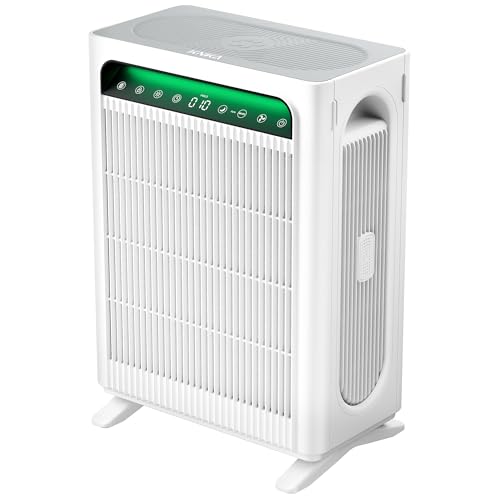
An air purification system is a device or integrated setup designed to remove airborne contaminants from the air inside a home or building. It draws air in, passes it through one or more filtration or purification stages, and releases cleaner air back into the room. Unlike a simple fan that only circulates air, a purification system actively captures or neutralizes particles and gases.
Modern systems range from compact standalone units for a single bedroom to whole-home solutions integrated into your HVAC ductwork. If you are also addressing cooling performance, it helps to understand how your air conditioner interacts with filtration; many homeowners pair a purifier with an air conditioner with air purifier combination for year-round comfort. For homes that already rely on ducted cooling, an integrated approach similar to an air filtration system for home may be more practical than adding several standalone units.
How Air Purifiers Work: Filtration Stages Explained
Most residential air purification systems combine several stages. Each stage targets a different category of pollutant, which is why multi-stage designs generally outperform single-filter units.
- Pre-filter: Captures large particles such as hair, lint, and visible dust, protecting the more delicate filters downstream.
- HEPA filter: Traps fine particles including pollen, pet dander, dust mites, and smoke particles. True HEPA filters are rated to capture a very high percentage of particles at 0.3 microns.
- Activated carbon filter: Absorbs odors, cooking fumes, and many volatile organic compounds that particle filters cannot catch.
- UV-C or photocatalytic stage: Used in some premium models to help neutralize microorganisms on surfaces and in the air stream.
- Ionizer or plasma stage (optional): Charges particles so they clump and settle or are captured more easily; look for low-ozone designs.
Types of Air Purification Systems
Choosing the right type depends on whether you need targeted room-level purification or a whole-home solution that works alongside your existing HVAC equipment.
Standalone Room Purifiers
Portable units that plug into a standard outlet and purify a single room. Ideal for bedrooms, home offices, and apartments where ductwork is not available.
Whole-Home Systems
Installed in the HVAC air handler or ductwork, these systems treat every room served by the ducts. Best for large homes undergoing renovation or equipment replacement.
HEPA Purifier Towers
Tall, floor-standing units with high airflow and multiple filter stages. Suitable for living rooms and open-plan spaces with continuous circulation needs.
Smart & Connected Purifiers
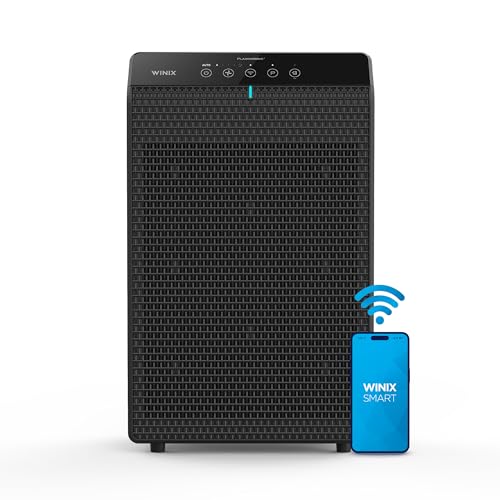
Wi-Fi-enabled models with air quality sensors that adjust fan speed automatically. A good match for homes already using smart thermostats and connected AC controls.
CADR, Room Size, and Getting the Sizing Right
Clean Air Delivery Rate (CADR) is the most useful single specification for comparing purifiers. It describes how much filtered air a unit delivers, and a common rule of thumb is that a purifier should deliver enough clean air to exchange the room's volume several times per hour.
Oversized units run more quietly and clean faster, while undersized units struggle to keep up in large or open spaces. If a purifier feels ineffective in an open-plan area, the solution is usually more airflow capacity rather than a different filter type — the same principle that explains why an air conditioner taking a long time to cool often points to a capacity mismatch rather than a mechanical fault.
| Room Size | Recommended Tier | Best For |
|---|---|---|
| Small bedrooms and offices | Entry-level | Single-room dust and pollen control |
| Standard bedrooms and living rooms | Mid-range | Pet dander, seasonal allergies |
| Large living areas and open plans | Premium | High airflow, multiple contaminants |
| Whole home via ductwork | Professional-grade | Whole-house filtration with HVAC integration |
Key Features That Matter When Comparing Models
- Filter efficiency and grade: True HEPA filtration is the baseline for particle removal; carbon weight matters for odor and gas control.
- Airflow and noise level: Higher fan speeds clean faster but are louder — look for a quiet low-speed mode for bedrooms.
- Filter replacement interval: Longer service intervals reduce maintenance effort; some premium models include filter-life indicators.
- Sensor quality: Auto mode is only as good as the particle sensor driving it; a responsive sensor keeps energy use efficient.
- Ozone emissions: Prefer units that are certified low-ozone, especially for bedrooms and nurseries.
- Smart controls: Scheduling, remote monitoring, and integration with existing smart home systems add convenience.
Maintenance and Long-Term Performance
An air purification system is only as effective as its maintenance schedule. Clogged filters reduce airflow, strain the fan motor, and can actually recirculate captured particles. Vacuum or rinse pre-filters monthly, replace HEPA and carbon filters according to the manufacturer's guidance, and keep the unit's intake grille free of dust.
If your purifier shares space with cooling equipment, routine care of both systems pays off. Regular service such as air conditioner service and maintenance keeps airflow strong and prevents dust from accumulating in ductwork, which in turn reduces the load on your purifier. Homeowners dealing with persistent airflow complaints may also want to review air duct sealing, since leaky ducts can pull unfiltered air into the system.
A Practical Buying Checklist
Before You Choose a Model
- Measure the room and confirm the purifier's stated coverage area.
- Identify your main concern — particles, odors, or both — and prioritize the matching filter stage.
- Check the noise rating at the speed you expect to use most often.
- Confirm filter availability and replacement interval before committing.
- Decide between a standalone unit and an integrated whole-home approach.
- Verify low-ozone certification if the unit will run in a bedroom.
Frequently Asked Questions
Do I need an air purifier if I already have an air conditioner?
An air conditioner circulates and cools air but its standard filter is not designed for fine particle removal. A dedicated purification system adds true HEPA and carbon filtration that a typical AC filter cannot provide, which is why many households use both together.
How often should HEPA filters be replaced?
Most manufacturers recommend replacement every six to twelve months depending on usage and local air quality. Homes with pets or heavy pollen exposure may need more frequent changes.
Is a whole-home system better than a portable purifier?
Whole-home systems treat every room served by ductwork and require no floor space, but they need professional installation. Portable units are simpler to deploy and can be moved between rooms, making them a solid choice for renters and targeted spaces.
Can an air purifier help with allergy symptoms?
A well-sized HEPA purifier can reduce airborne pollen, pet dander, and dust in the room where it operates, which many allergy sufferers find helpful. It complements — but does not replace — medical advice and source control such as regular cleaning.
Do ionizers produce ozone?
Some ionizing technologies can produce small amounts of ozone. Look for units marketed as low-ozone or ozone-free, particularly for bedrooms and spaces used by children or sensitive individuals.
Related Guides on AC Units Guide
If you are building a complete indoor comfort plan, these related guides can help you connect air purification with the rest of your equipment:
- Learn how filtration integrates with cooling equipment in our air conditioner with air purifier guide.
- Understand whole-home filtration options in the air filtration system for home overview.
- Keep your cooling system efficient with air conditioner service and maintenance best practices.
- Address duct-related airflow issues through air duct sealing.