And HVAC: The Complete Guide to Heating, Ventilation & Air Conditioning
Understand how modern HVAC systems work — from heating and cooling to ventilation and indoor air quality. Learn about components, efficiency ratings, maintenance schedules, and how to choose the right system for your home or commercial space.
EXPLORE THE GUIDEWhat Is an HVAC System?
HVAC stands for Heating, Ventilation, and Air Conditioning — the three interdependent functions that together maintain comfortable indoor environmental conditions. While the term is commonly used to describe the combined equipment that regulates temperature and air quality, each function addresses a distinct need within a building.
Heating raises indoor temperature during cold seasons through furnaces, boilers, or heat pumps. Ventilation exchanges stale indoor air with fresh outdoor air, removing pollutants and controlling humidity. Air conditioning removes heat and moisture during warm seasons, cooling the space and improving comfort. When these three systems are integrated into a single coordinated setup, the result is a complete climate control solution.
Modern HVAC systems range from simple window units and portable coolers to complex whole-building setups with zoning, smart controls, and air purification. The right choice depends on your building's size, layout, climate, and the indoor air quality goals you want to achieve.
Core Components Explained
Although HVAC configurations vary widely, most systems share a common set of functional components. Understanding each one helps you diagnose problems, communicate with technicians, and make informed upgrade decisions.
Outdoor Condenser Unit
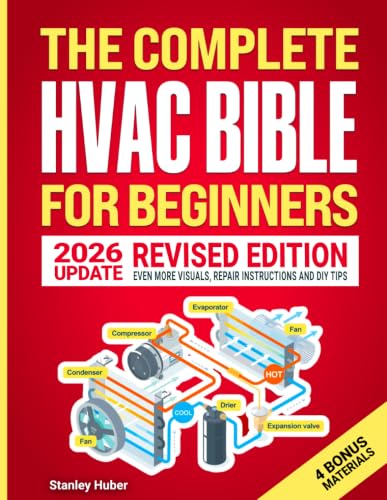
The condenser houses the compressor and the condenser coil. It releases heat absorbed from indoors into the outdoor air. In a heat pump configuration, the condenser can reverse its function to absorb heat from outdoor air during winter. The condenser fan pulls air across the coil to accelerate heat exchange.
Indoor Evaporator Coil
Located inside the air handler or above the furnace, the evaporator coil absorbs heat and moisture from indoor air as refrigerant passes through it. This is where cooling actually happens. A dirty evaporator coil is one of the most common causes of reduced cooling performance.
Compressor
Often described as the heart of the system, the compressor circulates refrigerant between the indoor and outdoor coils, changing its pressure and temperature so it can absorb and release heat. Compressor technology — single-stage, two-stage, or variable-speed — heavily influences efficiency and comfort. For a deeper look, see our guide on inverter AC technology.
Air Handler / Blower
The air handler contains the blower fan that moves conditioned air through the ductwork. In many residential systems, the furnace blower serves this role. For dedicated air handler information, explore our air handler guide.
Ductwork
Ducts distribute conditioned air to individual rooms and return stale air to the central unit. Leaky or poorly insulated ducts can waste a significant portion of the energy your system consumes. Learning how to seal air ducts is one of the highest-value maintenance tasks a homeowner can perform.
Thermostat & Controls
The thermostat is the user interface for the entire system. Modern smart thermostats learn occupancy patterns and adjust schedules automatically, while programmable models let you define setpoints by time of day. Explore programmable thermostat strategies to reduce runtime without sacrificing comfort.
Refrigerant Lines & Expansion Valve
Insulated copper lines carry refrigerant between indoor and outdoor components. The expansion valve regulates refrigerant flow into the evaporator, lowering its pressure and temperature so it can absorb heat effectively.
| Component | Primary Function | Typical Location |
|---|---|---|
| Condenser Unit | Releases heat outdoors; houses compressor | Outdoors (side yard, roof, balcony) |
| Evaporator Coil | Absorbs heat and moisture from indoor air | Indoors (air handler / furnace cabinet) |
| Compressor | Circulates and pressurizes refrigerant | Inside outdoor condenser |
| Air Handler | Moves conditioned air through ducts | Indoors (closet, attic, basement) |
| Ductwork | Distributes conditioned air to rooms | Attic, walls, ceilings, crawlspace |
| Thermostat | Controls system operation and setpoints | Central wall location indoors |
Types of HVAC Systems
HVAC systems come in several configurations, each suited to different building types, climates, and installation constraints. Below is a breakdown of the most common categories, with guidance on when each makes sense.
Split Systems (Central Air + Furnace)
The most common residential configuration in North America. An outdoor condenser pairs with an indoor evaporator coil and furnace or air handler. Conditioned air travels through ductwork to every room. Split systems are well-suited to homes with existing ductwork and offer strong efficiency when properly sized. Our central air conditioning guide covers sizing and installation considerations in detail.
Ductless Mini-Split Systems
Mini-splits connect an outdoor compressor to one or more indoor wall-mounted air handlers via a small conduit — no ductwork required. They are ideal for additions, older homes without ducts, and room-by-room zoning. Explore ductless mini-split AC systems for installation and efficiency insights.
Packaged Units
In packaged systems, all components — compressor, condenser, evaporator, and blower — are housed in a single outdoor cabinet. They are common in commercial buildings and homes with limited indoor space. See our packaged AC unit guide for details.
Heat Pumps
Heat pumps provide both heating and cooling by reversing refrigerant flow. Air-source heat pumps are the most common; geothermal and water-source variants exist for specific applications. For a full explanation, read about air-to-air heat pump systems and air-source heat pump installation.
Window & Portable Units
For single-room cooling without ductwork or permanent installation, window and portable air conditioners remain practical. They are not whole-home HVAC solutions, but they serve specific use cases well. See our window AC guide and portable AC guide.
Efficiency Ratings & Standards
HVAC efficiency is measured by standardized ratios that let you compare equipment fairly. Understanding these ratings helps you evaluate whether an upgrade is worthwhile and what performance to expect over a season.
SEER and SEER2
SEER (Seasonal Energy Efficiency Ratio) measures cooling efficiency across an entire season. Higher values mean more efficient cooling. The DOE introduced SEER2 with updated testing procedures; new equipment must meet minimum SEER2 thresholds. Our articles on SEER ratings and SEER vs SEER2 explain the differences and what they mean for buyers.
EER
EER (Energy Efficiency Ratio) measures efficiency at a single peak-condition test point. It is useful for comparing performance on the hottest days when the system runs at full capacity. See what an EER rating means.
HSPF
HSPF (Heating Seasonal Performance Factor) applies to heat pumps and measures heating efficiency across a season. If you are considering a heat pump, understanding HSPF is essential for comparing heating performance.
ENERGY STAR Certification
ENERGY STAR certified equipment meets efficiency thresholds set by the EPA above the federal minimum. Certification is a useful shorthand for efficiency, though the specific ratings still matter for precise comparisons. Learn more about ENERGY STAR certified AC units.
| Rating | Measures | Applies To | Higher Is Better? |
|---|---|---|---|
| SEER2 | Seasonal cooling efficiency | Air conditioners, heat pumps (cooling mode) | Yes |
| EER | Peak-condition efficiency | Air conditioners | Yes |
| HSPF | Seasonal heating efficiency | Heat pumps (heating mode) | Yes |
Sizing & Load Calculation
An HVAC system that is too small will struggle to maintain setpoints on peak days; one that is too large will short-cycle, leaving humidity uncontrolled and causing uneven temperatures. Correct sizing is not guesswork — it is a calculated engineering step.
Why Square Footage Alone Is Not Enough
While quick estimates based on floor area exist, professional sizing uses a load calculation — commonly called Manual J — that accounts for window area, insulation levels, air infiltration, orientation, occupancy, and local climate data. Two homes of identical size can require significantly different capacities. Our article on Manual J load calculation explains the methodology.
Practical Sizing Tools
For rough planning, a BTU calculator by room size provides a starting point. For whole-home planning, see AC sizing for a whole home. Keep in mind that these estimates should be confirmed by a professional before equipment selection.
Consequences of Incorrect Sizing
Oversized systems cool too quickly, cycling on and off before dehumidification is complete. Undersized systems run continuously on hot days, increasing wear and failing to reach setpoints. Both scenarios reduce comfort and shorten equipment life. Our guide on what happens when an AC is too big or too small covers the symptoms in detail.
Maintenance Best Practices
Regular maintenance is the single most effective way to extend equipment lifespan, preserve efficiency, and avoid unexpected breakdowns. Most tasks fall into two categories: routine owner-level care and annual professional service.
Owner-Level Tasks
- Replace or clean filters regularly. A clogged filter restricts airflow and strains the blower. Learn when to replace your AC filter and how to clean AC filters.
- Keep the outdoor unit clear. Remove debris, leaves, and grass clippings from around the condenser. Maintain at least two feet of clearance on all sides.
- Check condensate drainage. A clogged drain line can cause water backups and indoor damage. Flush the line seasonally.
- Inspect visible ductwork. Look for disconnected joints, crushed sections, or unsealed seams. See how to seal air ducts.
- Follow a seasonal checklist. A structured seasonal AC checklist helps you cover the essentials before each cooling season.
Professional Service
Annual professional maintenance includes refrigerant charge verification, coil cleaning, electrical inspection, and a performance test against manufacturer specifications. For central systems, annual central AC maintenance is strongly recommended. If you want to understand what a service visit should include, see annual maintenance for central air conditioners.
Coil Cleaning
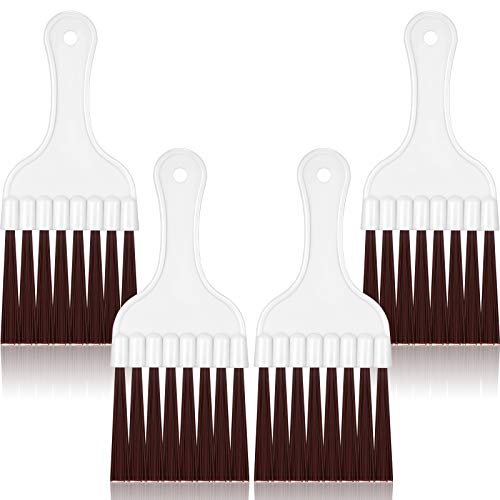
Both the evaporator and condenser coils should be cleaned periodically. Dirty coils reduce heat transfer and force the compressor to work harder. Our guides on cleaning condenser coils and cleaning evaporator coils walk through the process for each.
Common Problems & Solutions
Even well-maintained systems experience issues. Recognizing symptoms early can prevent small problems from becoming expensive failures. Below are the most frequent complaints and their typical causes.
System Not Cooling
If the system runs but does not produce cold air, common causes include low refrigerant, a failed capacitor, a dirty evaporator coil, or a compressor issue. Before calling a technician, check the filter and thermostat settings. For a full diagnostic walkthrough, see AC not cooling solutions.
Weak Airflow
Weak airflow through vents usually points to a clogged filter, blocked ductwork, or a failing blower motor. If air is not blowing through vents in the house, start by checking the filter and any dampers that may be closed.
System Runs But Air Is Warm
When the air is blowing but not cold in the house, the cause may be low refrigerant charge, a reversing valve failure (on heat pumps), or a compressor not engaging. Refrigerant issues require professional attention.
Water Leaks
Water around the indoor unit typically indicates a clogged condensate drain, a frozen evaporator coil, or a cracked drain pan. See our guide on AC leaking water solutions.
Noise
Buzzing, rattling, or screeching sounds usually signal loose components, worn bearings, or debris in the outdoor unit. If the AC is making noise, shut the system down and inspect for obvious causes before running it again.
Odors
Musty smells often indicate microbial growth in the evaporator coil or ductwork. If your AC smells bad, inspect the filter and consider professional coil cleaning.
Frozen Coils
Ice on the indoor coil is a symptom of restricted airflow or low refrigerant. Turn the system off to let it thaw, replace the filter, and call a technician if the problem returns. See AC frozen coil solutions.
When to Call a Professional
Refrigerant handling, compressor replacement, and electrical diagnostics are tasks for licensed technicians. If you are unsure whether an issue is within your capability, our guide on when to call an HVAC technician helps you decide.
How to Choose the Right HVAC System
Choosing an HVAC system involves balancing several factors: building characteristics, climate, efficiency goals, and the level of control you want over individual spaces. The decision is not primarily about a single specification — it is about the fit between the system and the building it serves.
Step 1: Assess Your Building
Determine whether ductwork exists and what condition it is in. Identify the total conditioned floor area, the number of stories, and any rooms with unusual heat gain (sunrooms, home offices with equipment). Older homes without ducts are strong candidates for ductless systems; homes with ducts should have those ducts inspected before selecting equipment.
Step 2: Understand Your Climate
Cooling-dominant climates prioritize SEER2 and dehumidification performance. Heating-dominant climates should consider heat pump efficiency (HSPF) and cold-weather performance. Mixed climates benefit from systems that handle both well.
Step 3: Select the System Type
Use the section above on HVAC system types as a decision framework. Split systems, ductless mini-splits, and packaged units each fit different scenarios. If you are unsure whether a ductless or ducted approach is better for your home, our comparison of ductless vs ducted AC clarifies the trade-offs.
Step 4: Determine Capacity
Use a proper load calculation rather than a rule-of-thumb estimate. The how to size an air conditioner guide walks through the process. Insist that your contractor perform a room-by-room load calculation before proposing equipment.
Step 5: Compare Efficiency and Features
Higher-efficiency equipment (top-tier SEER2 ratings) reduces long-term energy consumption but typically carries a higher upfront position in the market. Mid-range equipment often represents the best balance for many homes. Features like variable-speed compressors, smart thermostats, and enhanced filtration add comfort and air quality benefits.
Step 6: Vet the Contractor
Installation quality has an enormous impact on performance. A premium system installed poorly will underperform a mid-range system installed correctly. Ask about licensing, insurance, warranty terms, and whether the contractor will perform a load calculation and duct inspection. Our guide on how to choose an HVAC contractor covers the questions to ask.
Step 7: Plan for Air Quality
If indoor air quality is a priority, consider integrating filtration or purification. A whole-home air purification system can address allergens, particulates, and volatile organic compounds. Standalone air purifiers are an alternative for room-level treatment.
Frequently Asked Questions
What does HVAC stand for?
HVAC stands for Heating, Ventilation, and Air Conditioning. It describes the technology and systems used for indoor environmental comfort, covering heating, cooling, and air quality control.
How often should an HVAC system be serviced?
Most HVAC systems should be serviced twice a year — once in spring for the cooling season and once in fall for the heating season. Regular maintenance extends equipment lifespan and maintains efficiency.
What is SEER rating in HVAC?
SEER stands for Seasonal Energy Efficiency Ratio. It measures how efficiently an air conditioning unit operates over an entire cooling season. Higher SEER ratings indicate greater energy efficiency. See our full guide on what a SEER rating means.
What are the main components of an HVAC system?
An HVAC system typically includes an outdoor condenser unit, an indoor evaporator coil, a compressor, an air handler or furnace, ductwork, a thermostat, and refrigerant lines connecting the indoor and outdoor components.
How long does an HVAC system last?
With proper maintenance, a central air conditioner or heat pump typically lasts 12–17 years, while a furnace may last 15–20 years. Actual lifespan depends on usage, climate, installation quality, and maintenance consistency.
Is a heat pump the same as an air conditioner?
No. An air conditioner only cools, while a heat pump can both cool and heat by reversing the refrigerant cycle. Heat pumps are more versatile in mixed climates. Learn more about heat pumps vs air conditioners.
What size HVAC system do I need?
System size depends on a load calculation that accounts for square footage, insulation, window area, climate, and occupancy — not just floor area. Use a BTU calculator for rough estimates, then confirm with a professional load calculation.