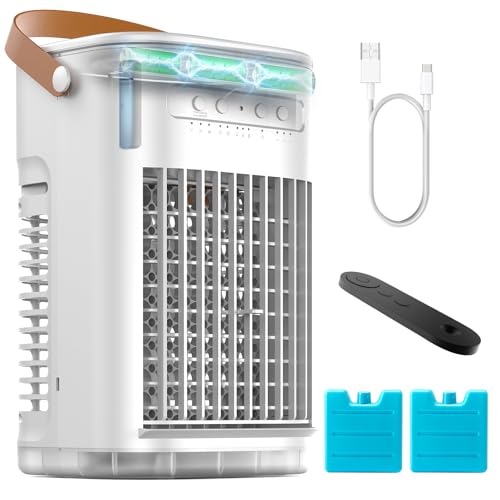
Battery Operated Portable Air Conditioner for Car: The Complete Buyer's Guide
Stay cool on the road, at the campsite, or during long idling hours. Learn how 12V and 24V battery-powered car air conditioners work, which specifications matter most, and how to pick a unit that genuinely fits your vehicle and lifestyle.
START LEARNINGWhy this guide exists: Most shoppers arrive here already knowing they want a battery operated portable air conditioner for their car. What they still need is clarity: real cooling capacity versus marketing claims, power draw, battery chemistry, mounting options, and long-term reliability. This guide answers those questions in plain language so you can choose with confidence.
What Is a Battery Operated Portable Air Conditioner for a Car?
A battery operated portable air conditioner for a car is a self-contained cooling unit that runs on a rechargeable battery pack rather than relying solely on the vehicle's engine or alternator. These units are designed for cabins, sleeper berths, tents, RVs, and other enclosed spaces where traditional vehicle air conditioning is unavailable, inefficient, or impractical to run while parked.
Unlike a standard car air conditioning system that circulates refrigerant through the engine-driven compressor, a portable battery-powered unit typically combines a compact compressor or thermoelectric cooling element with a fan, evaporator, and internal battery. Many models also support dual input: they can run from the battery pack or directly from a 12V/24V vehicle socket.
If you want a broader overview of how batteries power cooling devices in general, our guide on battery air conditioners covers the underlying technology, while this page focuses specifically on the car and vehicle use case.
How Do Battery-Powered Car Air Conditioners Work?
Understanding the mechanics helps you separate realistic products from exaggerated claims. Most units fall into one of three categories:
- Compressor-based units: These use a small DC compressor (often 12V or 24V) to circulate refrigerant. They deliver genuine refrigerated cooling and are the closest thing to real air conditioning in portable form.
- Thermoelectric (Peltier) units: These use semiconductor plates to create a temperature differential. They are quieter and simpler but produce modest cooling and work best in small, well-insulated spaces.
- Evaporative (swamp) coolers: These add moisture to the air while cooling it. They perform well in dry climates but become ineffective in humid conditions.
Compressor-based models are generally the strongest performers for cabin cooling, but they draw more power and require a larger battery. The trade-off between cooling output and runtime is the single most important decision you will make. For a deeper technical breakdown of refrigerant cycles, see our explanation of how an air conditioner works.
Who Benefits Most from a Portable Battery AC for Cars?
Truck Drivers
Long-haul drivers who idle during mandatory rest periods can use a battery unit to cool the sleeper berth without burning fuel or accumulating engine hours.
Car Campers & Overlanders
Campers who sleep in their vehicle or a rooftop tent benefit from a unit that runs independently of the engine and can be recharged via solar or a power station.
Rideshare & Delivery Drivers
Drivers waiting between trips can cool the cabin during short stops without restarting the engine repeatedly, which reduces wear and fuel consumption.
Pet Owners on the Go
With proper ventilation and monitoring, a battery-powered unit can help maintain a safer cabin temperature during brief stops, though it should never replace active supervision.
RV & Van Life Travelers
Van lifers and RV owners often pair a portable battery AC with a lithium power station to cool the living area overnight without hookups.
Emergency & Backup Use
During power outages or roadside emergencies, a battery-operated unit can provide temporary relief in a vehicle or small shelter.
Key Specifications to Evaluate Before Buying
Marketing pages often highlight a single number, but real-world satisfaction depends on how several specifications work together. Use the table below as a checklist.
| Specification | What It Means | What to Look For |
|---|---|---|
| Cooling Capacity (BTU) | The amount of heat the unit can remove per hour. | For a car cabin or sleeper berth, 3,000–6,000 BTU is a realistic range. Larger spaces need proportionally more. |
| Power Draw (Watts/Amps) | How much electricity the unit consumes while running. | Lower draw extends runtime but may reduce cooling output. Match draw to your battery and charging setup. |
| Battery Chemistry | The type of rechargeable cells inside the pack. | Lithium iron phosphate (LiFePO4) offers longevity and thermal stability; lithium-ion is lighter but requires careful management. |
| Runtime per Charge | How long the unit runs before recharging. | Look for runtime stated at a specific cooling mode and ambient temperature, not a best-case figure. |
| Voltage Compatibility | Whether the unit runs on 12V, 24V, or both. | Passenger cars use 12V; heavy trucks and some RVs use 24V. Confirm compatibility before purchase. |
| Noise Level (dB) | How loud the unit is during operation. | For sleeping in a cab, aim for a model rated under 55 dB where possible. |
| Ventilation Method | How exhaust heat and condensation are managed. | Units with a dedicated exhaust hose or dual-duct design cool more effectively than recirculating models. |
| Weight & Footprint | Physical size and portability. | Compact units are easier to reposition but often hold smaller batteries. Balance portability against runtime. |
| Tier Positioning | Relative market position of the product. | Entry-level units prioritize portability; mid-range models balance output and efficiency; premium and commercial-grade units target extended runtime and durability. |
Compressor vs Thermoelectric vs Evaporative: Which Type Is Right for You?
Each cooling method has a distinct personality. The right choice depends on your climate, space size, and tolerance for power draw.
| Type | Cooling Strength | Power Draw | Best For | Limitations |
|---|---|---|---|---|
| Compressor-based | Strongest; true refrigerated cooling | Higher | Sleeping in cabs, RVs, and larger tents | Heavier, requires robust battery and ventilation |
| Thermoelectric | Moderate; best for spot cooling | Moderate | Small cabins, pet areas, short trips | Struggles in high heat; limited temperature drop |
| Evaporative | Good in dry air | Low to moderate | Dry climates, well-ventilated spaces | Ineffective in humid conditions; adds moisture |
Practical tip: If you plan to sleep in your vehicle in summer heat, a compressor-based unit with a dedicated exhaust hose is usually the most satisfying option. If you only need relief during short stops, a thermoelectric model may be sufficient and easier to manage.
Battery and Power Considerations for Vehicle Use
The battery is the heart of a portable car air conditioner. A unit with excellent cooling output but a small battery will disappoint on long trips, while an oversized battery adds weight and bulk. Here is what to weigh:
- Battery capacity (Wh): Watt-hours tell you how much energy the pack stores. Divide capacity by the unit's average power draw to estimate runtime.
- Charging options: Look for units that can charge from a 12V car socket, a wall outlet, and solar panels. Flexibility matters when you are off-grid.
- Pass-through operation: Some models can run while charging, which is useful during long drives.
- Battery management system (BMS): A quality BMS protects against overcharge, deep discharge, and overheating, extending battery life.
- Swappable batteries: If you need extended runtime, a unit with removable battery packs lets you carry spares.
For homes and stationary backup use, the power considerations differ; our guide on battery-operated air conditioners for home explores larger battery banks and inverter setups.
Installation and Ventilation Inside a Vehicle
Portable does not mean plug-and-play in every situation. Proper placement and ventilation are essential for performance and safety.
- Exhaust routing: Compressor and thermoelectric units generate heat that must be expelled. Use the supplied window adapter or hose to route exhaust outside the cabin.
- Air intake clearance: Keep at least a few inches of clearance around intake and exhaust vents to avoid overheating.
- Stable mounting: Secure the unit so it does not tip during driving or sudden braking. Many models include mounting brackets or straps.
- Cable management: Route power cables away from pedals, seats, and moving parts.
- Condensation management: Some units produce water. Check for a drain plug or collection tray and empty it regularly.
If you are cooling a vehicle without a convenient window opening, our article on using a portable AC unit without a window offers alternative venting strategies.
Realistic Performance Expectations
Portable battery-powered air conditioners are impressive engineering, but they are not magic. Setting realistic expectations prevents disappointment:
- Temperature drop: Most units can lower cabin temperature by roughly 10–20°F relative to outside air, depending on insulation, sun load, and unit size.
- Cool-down time: Expect a gradual reduction over 20–40 minutes rather than instant arctic air.
- Humidity: Compressor-based units dehumidify as they cool; evaporative units add moisture.
- Insulation matters: Reflective window covers, sunshades, and sealing gaps dramatically improve results.
- Runtime vs output: Running a unit on its highest cooling mode drains the battery faster. Eco modes extend runtime at the expense of cooling speed.
For context on how vehicle air conditioning systems behave when they underperform, see our troubleshooting guide on a car air conditioner that stopped blowing cold air.
Maintenance Tips to Extend the Life of Your Portable Car AC
Regular care keeps cooling performance consistent and protects your investment:
- Clean or replace filters every few weeks during heavy use. Dusty filters reduce airflow and strain the fan.
- Inspect the exhaust hose for cracks or kinks that could leak hot air back into the cabin.
- Store the battery at moderate charge (around 50–60%) if the unit will sit unused for long periods.
- Avoid extreme temperatures when storing the battery; heat degrades lithium cells faster than cold.
- Check drains and trays for standing water or mold growth.
- Run the unit periodically during the off-season to keep seals and fans in good condition.
Many of the same filter and coil cleaning principles apply here as in home systems; our guide on cleaning the filter of an air conditioner is a useful reference.
Entry-Level, Mid-Range, and Premium: What Changes Across Tiers
Tier positioning is a useful way to compare products without relying on transient figures. Across the portable car AC market, the following patterns generally hold:
| Tier | Typical Characteristics | Best For |
|---|---|---|
| Entry-level / Starter tier | Compact footprint, thermoelectric or small compressor, modest battery capacity, simpler controls. | Short trips, occasional use, spot cooling, buyers testing the concept. |
| Mid-range / Balanced tier | Compressor cooling, larger battery, multiple cooling modes, better ventilation accessories, improved noise control. | Regular car camping, rideshare drivers, overnight sleeper use in moderate climates. |
| Premium / High-end tier | High-efficiency compressor, swappable or high-capacity battery, smart controls, robust mounting, dual-voltage support. | Full-time van life, long-haul trucking, extended off-grid trips. |
| Commercial-grade | Heavy-duty construction, extended runtime, serviceable components, designed for daily industrial use. | Fleet vehicles, work trucks, professional overlanding rigs. |
As a rule, moving up a tier buys you more than raw cooling: it buys quieter operation, better battery management, and greater durability. Entry-level units can absolutely meet basic needs, but mid-range and premium models tend to deliver a more polished experience over years of use.
Common Mistakes to Avoid
- Overestimating cabin size coverage: A unit rated for a small tent may struggle in a large SUV with poor insulation.
- Ignoring exhaust routing: Without proper venting, a unit recirculates hot air and cools poorly.
- Choosing capacity over battery quality: A large battery with a weak BMS can fail prematurely.
- Skipping voltage checks: A 24V-only unit will not run properly on a 12V passenger car socket.
- Neglecting maintenance: Dirty filters and blocked vents are the most common causes of declining performance.
- Expecting whole-room cooling: These units cool the space they are in; they are not central air replacements.
Related Guides Worth Reading Next
If you are exploring vehicle cooling more broadly, the following resources will help you connect the dots:
- Auto air conditioning — a broader look at how vehicle climate systems are structured.
- Car AC unit — component-level explanations of compressors, condensers, and evaporators.
- Car window air conditioner — an alternative approach to vehicle cooling using window-mounted units.
- Car air conditioning system — how the full system works together and where portable units fit in.
- Automotive air conditioning repair — what to do when your built-in system fails.
- Car AC not blowing cold air with freon full — diagnostic steps for common built-in system issues.
Frequently Asked Questions
Can a battery operated portable air conditioner really cool a car?
Yes, within realistic limits. Compressor-based models can meaningfully lower cabin temperature in a closed, shaded vehicle, especially when paired with sunshades and proper exhaust venting. Thermoelectric units provide lighter spot cooling. Neither replaces a functioning built-in vehicle AC for rapid cool-down on very hot days.
How long can a portable car AC run on a single charge?
Runtime depends on battery capacity, cooling mode, and ambient temperature. Entry-level thermoelectric units may run for a few hours on low, while premium compressor units with large battery packs can run through a full night on eco settings. Always check runtime figures at a stated ambient temperature rather than the highest number listed.
Can I charge the unit while driving?
Many models support charging from a 12V socket or a portable power station while in use. Check whether the manufacturer supports pass-through operation, as not all units are designed to run and charge simultaneously.
Do I need to vent the unit outside the car?
For compressor and thermoelectric units, yes. Without external venting, heat removed from the cabin is expelled back into the same space, reducing efficiency. Use the supplied window adapter or hose, and ensure the exhaust path is short and unobstructed.
Is it safe to leave a battery-powered AC running in a parked car?
Only with proper ventilation and supervision. Never leave pets or children unattended in a vehicle, even with cooling running. Batteries should be protected from direct sunlight, and the unit should be placed on a stable, non-flammable surface.
What is the difference between 12V and 24V models?
12V units are designed for standard passenger cars and light trucks. 24V units are common in heavy trucks, buses, and some RVs. Using the wrong voltage can damage the unit or cause it to underperform. Some premium models support both voltages automatically.
Can I use a portable car AC in a tent or RV instead?
Yes, provided the space is within the unit's cooling capacity and you can route exhaust properly. Many buyers use the same unit for car camping and small RV sleeping areas. For larger spaces, step up to a unit with higher BTU output and battery capacity.
How do I choose between a compressor unit and a thermoelectric unit?
Choose compressor-based if you need genuine cooling for sleeping, long drives, or hot climates. Choose thermoelectric if you need lightweight, quiet spot cooling for shorter periods or smaller spaces. The difference in cooling strength is significant.
Ready to compare real products? Browse our curated selection of battery operated portable air conditioners for cars and see which tier fits your needs.
EXPLORE OPTIONS