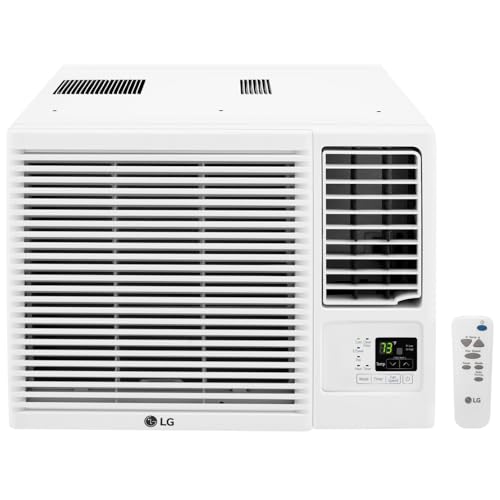
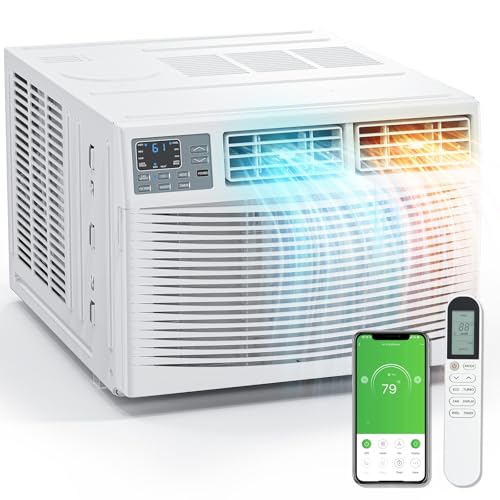
Casement Window Air Conditioner with Heat: A Complete Guide
If you have tall, narrow side-hinged windows, a casement AC with heat can cool and warm a room from a single vertical unit. Here is everything you need to choose, size, install, and maintain one.
Why this guide matters: Casement windows are common in apartments, older homes, and modern buildings with slim facades. Standard window ACs simply do not fit them. A casement window air conditioner with heat solves two problems at once: it fits the vertical opening and it provides both cooling and heating, so the same unit serves you across seasons.
What Is a Casement Window Air Conditioner with Heat?
A casement window air conditioner is a vertical-format cooling unit engineered for side-hinged windows that swing outward or inward. Instead of sitting wide across a double-hung sash, it stands tall and narrow, matching the proportions of a casement opening. When the "with heat" variant is added, the unit includes a heating function — typically a heat pump or an electric heating element — so it can warm the room when outdoor temperatures drop.
This dual-purpose design makes it a practical year-round solution for rooms where running ductwork is impractical, where a central system does not reach, or where you want independent temperature control. It is particularly relevant for bedrooms, home offices, studio apartments, and converted attic or basement rooms.
How the Cooling and Heating Functions Work
Cooling works the same way as any window air conditioner: refrigerant circulates through an evaporator and condenser, absorbing heat from indoor air and releasing it outdoors. The heating side varies by model, and this is the most important distinction to understand before you buy.
Heat Pump Heating
A reversing valve lets the refrigerant cycle run in reverse, pulling heat from outdoor air and moving it indoors. This is the more energy-efficient option in mild to moderate climates, and it is effective down to the temperature limits specified by the manufacturer.
Electric Heating Element
A resistive heating coil warms air as it passes through the unit. This works in colder conditions but draws noticeably more electricity. It is common on entry-level and mid-range casement models with heat.
Combined Systems
Some premium units pair a heat pump with a supplemental electric element, giving efficient heating in mild weather and a boost during cold snaps. These are the most versatile units in the category.
Why Choose a Casement AC with Heat?
The case for this category is straightforward, but it is worth being precise about the benefits so you can judge whether it matches your situation.
- Fits narrow windows: Standard horizontal window ACs cannot be installed in a casement opening. A vertical unit is the only practical through-window option.
- Year-round comfort: One unit handles summer cooling and shoulder-season heating, reducing the number of appliances you need.
- No ductwork required: Ideal for older homes, rentals, and rooms that central air cannot reach without major renovation.
- Independent zone control: You condition only the room you are using, which is useful for bedrooms and home offices.
- Simpler than a mini-split: No wall penetration, no refrigerant line runs, and no outdoor condenser unit to site.
How to Size a Casement Window AC with Heat
Sizing is where most buyers go wrong, and with a heating function the stakes are higher because heating demand often exceeds cooling demand. Start with square footage, then adjust for real-world conditions.
A widely used baseline is roughly 20 BTU of cooling capacity per square foot of floor area. That works for a standard eight-foot ceiling with average insulation and normal sun exposure. You then increase capacity for south- or west-facing windows, high ceilings, kitchens, rooms with many occupants, and poor insulation. For a deeper walkthrough of the calculation, see our guide on how to size an air conditioner.
| Room Size | Typical Cooling Capacity | Best For |
|---|---|---|
| Up to 150 sq ft | 5,000 – 6,000 BTU | Small bedrooms, home offices, studios |
| 150 – 250 sq ft | 8,000 – 10,000 BTU | Medium bedrooms, small living rooms |
| 250 – 400 sq ft | 12,000 – 14,000 BTU | Large bedrooms, open-plan living areas |
| 400 – 550 sq ft | 15,000 – 18,000 BTU | Studio apartments, converted lofts |
Types and Market Tiers
Casement units with heat fall into recognizable market tiers. Rather than anchoring on figures, it helps to understand what each tier typically delivers so you can match the unit to your expectations.
- Entry-level tier: Basic cooling with an electric heating element, mechanical or simple digital controls, and limited airflow adjustment. These units are well-specified for a single small room where the heating function is used occasionally.
- Mid-range tier: Better fan control, programmable thermostats, remote operation, and improved humidity handling. Heating is more consistent, and the build is generally more durable. This is the balanced tier for most households that want reliable year-round performance.
- Premium tier: Heat-pump heating, higher seasonal efficiency, quieter operation, smart-home connectivity, and better filtration. These units are a long-term investment for rooms that are used daily.
- High-end tier: Flagship models with advanced inverter compressors, precise temperature control, and the most efficient heating available in a casement format. They suit buyers who prioritize comfort and efficiency over everything else.
Features That Matter
Spec sheets can be overwhelming. These are the features that genuinely affect daily use in a casement AC with heat.
Inverter Compressor
An inverter AC varies compressor speed instead of cycling on and off. The result is steadier temperature, quieter operation, and better efficiency in the long run.
Efficiency Rating
Look at the cooling efficiency rating and, where available, the heating efficiency. Higher ratings typically mean lower running energy use. See our explainer on what a SEER rating is for context.
Installation Kit
A dedicated casement window installation kit provides the bracket and sealing components needed for a secure, weather-tight fit.
Noise Level
For bedrooms and offices, check decibel ratings. Premium units run noticeably quieter than entry-level models, especially at low fan speeds.
Smart Controls
Wi-Fi and app control let you schedule heating and cooling, which is useful for rooms used on a predictable routine.
Filtration
Washable filters are standard, but better filtration reduces dust and allergens — a meaningful benefit in bedrooms and home offices.
Installation Considerations
A casement installation is different from a standard window AC. The unit sits in a vertical opening, and the window sash must be able to close against or around the unit. Before purchasing, confirm three things:
- Window dimensions: Measure the height and width of the opening, and compare against the unit's minimum and maximum window requirements.
- Sash clearance: The window must close securely against the unit or a provided panel. Some casement windows require a specific bracket arrangement.
- Electrical supply: Confirm the unit's voltage and circuit requirements. Larger casement units with heat often need a dedicated circuit, and a qualified electrician should verify your panel.
Because these units are tall and can be heavy, professional installation is strongly recommended for safety and for proper sealing. For a broader look at the process and what to expect, see our casement window AC overview and the guide to the 12,000 BTU casement window air conditioner for a concrete sizing example.
Maintenance for Year-Round Reliability
A unit that runs both cooling and heating cycles accumulates more debris than a cooling-only model, so a simple routine pays off.
- Clean or wash the air filter every two to four weeks during heavy use.
- Inspect and clean the outdoor-side coils at the start of each cooling season.
- Check the window seal and bracket at the start of each heating season, since drafts undermine heating performance.
- Schedule a professional service visit annually if the unit is your primary conditioning source.
If you notice reduced performance, our troubleshooting guides on AC not cooling and AC blowing warm air cover the most common causes before you call a technician.
Casement AC with Heat vs Other Options
| Option | Best For | Trade-offs |
|---|---|---|
| Casement AC with heat | Narrow side-hinged windows; single-room year-round comfort | Requires a compatible window; heating capacity varies by model |
| Standard window air conditioner | Double-hung windows; cooling-only needs | Does not fit casement openings; no heating function |
| Portable air conditioner | Rentals; rooms where window installation is not allowed | Lower efficiency; venting hose required; usually cooling only |
| Ductless mini-split AC | Whole-room comfort with efficient heat-pump heating | Wall penetration and outdoor unit required; higher upfront complexity |
| Central air conditioning | Whole-home conditioning | Requires ductwork; not practical for single-room needs |
Frequently Asked Questions
What is a casement window air conditioner with heat?
It is a vertical-format air conditioner designed for side-hinged windows, with an added heating function. Cooling uses the standard refrigerant cycle; heating is provided by either a heat pump or an electric heating element, depending on the model.
Can a casement AC with heat replace a traditional heater?
It can serve as a supplemental or primary heat source for a single room, depending on the unit's heating capacity and your climate. Heat-pump models are efficient in mild climates; electric-element models work in colder conditions but use more energy. Treat heating capacity as a separate specification from cooling capacity.
How do I size a casement window air conditioner with heat?
Start with roughly 20 BTU of cooling capacity per square foot, then adjust upward for sun exposure, high ceilings, occupancy, and poor insulation. Verify the heating BTU separately, because heating demand is often higher than cooling demand in the same room.
Do casement window ACs with heat require special installation?
Yes. They need a compatible casement window, often a dedicated installation kit or bracket, and the window sash must close against the unit. Because units are tall and heavy, professional installation is recommended for safety and proper sealing.
Is a heat pump better than an electric heating element?
A heat pump is generally more efficient because it moves heat rather than generating it. An electric element works in colder conditions but uses more electricity. Premium casement units may combine both for flexibility.
Can I use a casement AC with heat in a rental property?
Often yes, but check your lease and any building rules first. Casement units do not require wall penetration, which makes them more rental-friendly than mini-splits, but some landlords still restrict window-mounted appliances.
Ready to Choose Your Casement AC with Heat?
Use the sizing table above to confirm your room's capacity needs, then review the recommended models below to compare features, heating type, and efficiency within each market tier.