Central Air Conditioner and Heating Units: A Complete Guide
Understand how whole-home HVAC systems pair cooling and heating, compare split, packaged, and heat pump options, size the equipment correctly, and choose with confidence.
START LEARNINGWhy this guide matters: A central system is a long-term investment that runs for years with the same ductwork and same mechanical room. Getting the pairing of cooling and heating right — and matching it to the home's climate and duct layout — determines how comfortable the home feels and how efficiently it operates.
What "Central Air Conditioner and Heating Units" Means
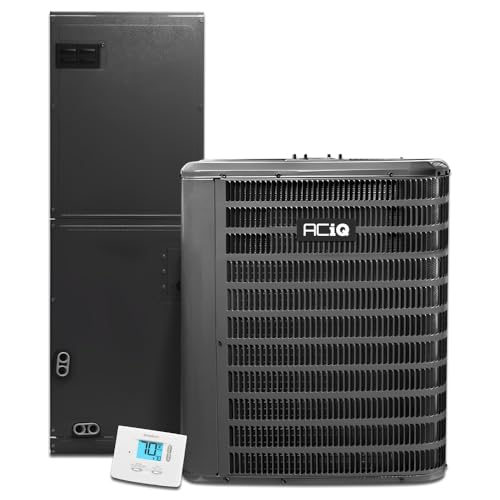
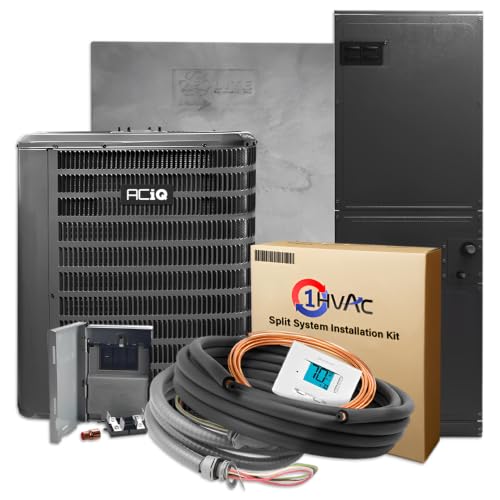
A central system uses one air handler or furnace and one set of ducts to distribute conditioned air throughout a home. Cooling is provided by a split-system condenser and indoor coil, or by a packaged unit where all components sit outdoors. Heating comes from a gas furnace, an electric furnace, or a heat pump, depending on climate and infrastructure.
The key advantage is comfort consistency: every connected room sees similar conditions, and the ductwork carries both heated and cooled air seasonally. That shared infrastructure is also the main practical constraint — a home without ducts cannot use a central system without a significant retrofit. For homes without ductwork, the overview of ductless mini-split system air conditioners is the more relevant guide.
The Main System Configurations
Three configurations cover most residential installations. Each has a different installation path and a different maintenance profile.
| Configuration | How It Works | Best For |
|---|---|---|
| Split system with gas furnace | Outdoor condenser, indoor coil, and gas furnace share an air handler and ductwork | Homes with natural gas service and existing ducts |
| Split system with electric furnace | Outdoor condenser paired with an electric resistance furnace | Homes without gas service; cold-winter climates |
| Heat pump split system | One outdoor unit provides both cooling and heating; electric elements serve as backup | Mild to moderate climates and efficiency-focused projects |
| Packaged system | Compressor, condenser, evaporator, and heating section in one outdoor cabinet | Homes with limited indoor mechanical space |
If the home already has natural gas, a split system with a gas furnace is often the default choice. Where gas is unavailable, an electric furnace and air conditioner pairing is common, and the article on electric heating and cooling units for homes provides useful context for comparing options.
Choosing the Heating Side
The heating component is as consequential as the cooling component. The three common choices differ in how they generate heat and in how they perform in cold weather.
Gas Furnace
A gas furnace burns fuel to heat a heat exchanger, and the blower pushes the warm air through the ducts. Modern furnaces reach high AFUE ratings and respond quickly to heating demand. They require gas service, venting, and periodic inspection of the heat exchanger for safety.
Electric Furnace
An electric furnace uses resistance heating elements to warm air. Output is consistent at any outdoor temperature, but electricity consumption is higher per unit of heat delivered. The related guide on an electric furnace with air conditioning explains the pairing in detail.
Heat Pump
A heat pump reverses the refrigerant cycle to move heat from outdoor air into the home. In mild conditions, it delivers more heat per unit of electricity than any resistance-based system. As outdoor temperature drops, capacity and efficiency decline, and backup heat becomes necessary. A dual-fuel setup — heat pump with a furnace backup — is a common way to combine the strengths of both approaches.
The Cooling Side at a Glance
Cooling in a central system is provided by a matched condenser and indoor coil. The condenser sits outdoors, and the coil sits inside the air handler or furnace. The compressor is the most significant service item, and the coil determines how effectively the system dehumidifies.
For background on how the refrigerant loop moves heat, see the explanation of the AC refrigerant cycle. For a comparison of whole-home cooling performance, the article on the most efficient whole-house air conditioner covers the relevant metrics.
Sizing the System Correctly
Central systems are sized by a room-by-room load calculation that accounts for square footage, ceiling height, insulation, window area and glazing type, infiltration, and local design temperatures for both cooling and heating. The result determines the correct tonnage for the condenser and the correct capacity for the heating equipment.
Oversizing leads to short cycling, poor dehumidification, and premature equipment wear. Undersizing leaves rooms uncomfortable on design days. The detailed walkthrough in the how to size an air conditioner guide applies directly to central systems. For homes on the larger end of the range, the overview of AC for a large house adds useful context on multi-zone considerations.
Efficiency Ratings That Matter
Central systems carry separate ratings for cooling and heating. Evaluate both when comparing options.
SEER2 (Cooling)
Seasonal Energy Efficiency Ratio 2 measures cooling efficiency over a representative season. Regional minimums apply, and higher numbers indicate more efficient cooling.
AFUE (Gas or Electric Furnace)
Annual Fuel Utilization Efficiency expresses how much of the energy input becomes useful heat. Electric furnaces score near the maximum, while gas furnace ratings vary widely.
HSPF2 (Heat Pump Heating)
Heating Seasonal Performance Factor 2 describes heat pump heating efficiency across a season. It is the main metric to compare when evaluating heat pump options.
Blower Motor Efficiency
An electronically commutated (ECM) blower uses less electricity than a fixed-speed motor and allows gentle continuous circulation that improves air mixing.
The article on what a SEER rating means explains how the cooling number translates into real-world performance. Regional rating minimums are covered in the overview of DOE efficiency standards, and the discussion of HVAC tax credits and rebates covers available incentives.
Ductwork: The Hidden Half of the System
A central system is only as good as its ducts. Leaky or undersized ductwork can waste a significant portion of the equipment's capacity and cause uneven temperatures from room to room.
- Leakage: Sealing supply and return joints reduces losses and improves efficiency.
- Static pressure: Excessively high static pressure indicates undersized ducts and reduces airflow.
- Insulation: Ducts running through attics or crawlspaces should be insulated to prevent thermal loss.
- Balancing: Adjusting dampers and registers delivers the designed airflow to each room.
The guide on how to seal air ducts covers practical sealing steps, and the overview of HVAC zoning systems explains how to add room-by-room control when a single-zone system cannot meet the home's needs.
Installation Considerations
A central system replacement is a major project. The following items determine whether the installation delivers its rated performance.
Matched Components
The condenser, indoor coil, blower, and furnace should be an approved matched set. Mixing components across brands or generations can reduce efficiency and void warranties. The related guide on HVAC replacement covers what a full replacement includes.
Electrical and Gas Connections
Central systems draw significant current and require dedicated circuits. Gas furnaces need proper venting and combustion air. A permit and inspection are typically required. Electrical concerns are covered in the discussion of AC electrical problems.
Placement and Clearances
The outdoor condenser needs clearance for airflow and should not be boxed in. The indoor unit needs service access on the coil and blower sides. Following the manufacturer's clearances avoids premature failures and protects the warranty.
Contractor Selection
When comparing bids, ask for a load calculation, a line-item scope, warranty terms, and permit handling in writing. The guide on air conditioning companies near my location explains how to evaluate local contractors.
Maintenance That Protects the Investment
Central systems need routine care to keep performance steady and delay major repairs.
- Filters: Replace every one to three months. A restricted filter strains the blower and reduces cooling capacity.
- Outdoor condenser: Clear debris, rinse the coil gently, and keep the top discharge unobstructed.
- Condensate drain: Flush seasonally. A clogged drain is a leading cause of AC leaking water indoors.
- Furnace inspection: Gas furnaces should have an annual inspection of the heat exchanger, burners, and venting.
- Professional service: One annual visit per season covers coil cleaning, refrigerant checks, and electrical inspection. The overview of an AC maintenance plan explains what to expect.
The full seasonal checklist is available in the AC maintenance guide.
When to Call a Technician
Some symptoms have simple causes; others indicate a fault that requires a licensed professional.
Reasonable DIY Checks
- Confirming the thermostat is set to the correct mode and temperature
- Replacing a dirty filter
- Checking the circuit breaker
- Confirming the outdoor condenser is not blocked by debris or vegetation
The walkthrough in the things to check when the AC is not cooling guide covers these steps in more detail.
Issues That Need a Professional
- No airflow from the vents — see the guide on central air conditioner not blowing air
- Water pooling indoors — see the guide on central air conditioner leaking water
- Weak cooling with the compressor running — see the guide on central air conditioner problems not cooling
- Frozen coils that recur after thawing — see the guide on frozen coils
- Suspected refrigerant leak or electrical fault — requires certified diagnosis
When a Central System Is Not the Best Fit
Central systems are efficient and convenient, but they are not the right choice for every home. Homes without ductwork, homes with significant zoning needs, and homes where a full retrofit is impractical may be better served by alternatives.
For multi-zone homes with uneven heating and cooling, the guide on multi-zone ductless AC explains how a ductless approach can complement or replace a central system. The overview of ductless mini-split air conditioning systems covers efficiency and installation considerations for homes without ducts.
In humid climates, dehumidification matters as much as raw capacity. The discussion of an outdoor cooling system for humid climates explains why central systems may need supplemental dehumidification.
Frequently Asked Questions
What is a central air conditioner and heating unit?
It is a whole-home HVAC system that uses one set of ducts to distribute both cooled and heated air. A split system pairs an outdoor condenser with an indoor air handler or furnace, while a packaged system houses all components in a single outdoor cabinet.
How do I choose between a furnace and a heat pump for central heating?
A furnace uses combustion or electric resistance to generate heat, while a heat pump moves heat from outdoor air indoors. Heat pumps are more efficient in mild to moderate climates; furnaces provide consistent output in severe cold. Many homes use a dual-fuel approach that combines both.
How is a central system sized?
Sizing requires a room-by-room load calculation that accounts for square footage, insulation, window area, ceiling height, occupancy, and local design temperatures. The cooling coil, furnace or air handler, and blower must all match the calculated load.
What efficiency ratings apply to central systems?
Cooling efficiency is rated by SEER2, heating efficiency by AFUE for furnaces and HSPF2 for heat pumps. Regional minimums apply, and dual-fuel systems must be evaluated on both their cooling and heating ratings.
How long does a central air conditioner and heating unit last?
Most central systems last 12 to 20 years with proper maintenance. Regular filter changes, annual professional service, and prompt repair of small issues extend service life and preserve efficiency.
Can I replace only the AC or only the furnace?
Often yes, but the components must be compatible. Matched systems deliver rated efficiency and warranty coverage. A contractor should verify the coil, blower, and refrigerant type before approving a partial replacement.
Ready to Compare Central Systems?
Review the recommended central air conditioner and heating options below. Each listing links to current product details so you can verify specifications before the consultation.
VIEW RECOMMENDED SYSTEMSRelated Guides Worth Reading
Readers researching central air conditioner and heating units often continue with these topics:
- Ratings of central air conditioning systems — how to interpret published performance data.
- Most efficient whole-house air conditioner — efficiency-focused buying.
- Central air conditioner problems not cooling — symptom-driven troubleshooting.
- Central air conditioner leaking water inside house — diagnosing indoor leaks.
- Central air conditioner not blowing any air — airflow diagnosis.
- Air handler repair — indoor unit service.
- Electric furnace and air conditioner — pairing cooling with electric heating.
- Electric heating and cooling units for homes — broader electric HVAC comparison.
- Heating and air conditioning service companies — evaluating local contractors.
- AC maintenance plan — what a good service plan includes.
- Air to water heat pump — an alternative heating and cooling approach.
- HVAC replacement — what a full replacement project involves.