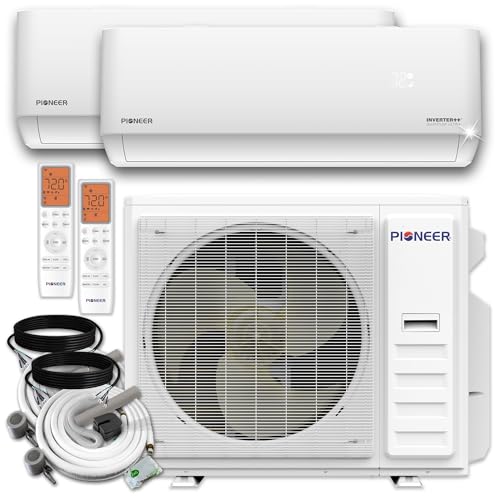
Discover how a multi zone ductless AC system cools and heats several rooms from a single outdoor unit, how zones are configured, and how to choose the right mini-split setup for your home's layout and climate.
Why this matters: Multi zone ductless systems solve a common problem — homes where some rooms are always too warm while others stay comfortable. Independent zone control means each room gets exactly the conditioning it needs, without running a single central system at full output.
What Is a Multi Zone Ductless AC System?
A multi zone ductless AC system connects two or more indoor air handlers to a single outdoor compressor. Each indoor unit serves its own area — a bedroom, a home office, a converted garage — and can be set to a different temperature and mode. There is no ductwork, only a small refrigerant line set running from each indoor unit to the outdoor compressor.
This design is ideal for homes where a central system is impractical: older properties without duct space, additions that are far from the main living area, or layouts with rooms that have different sun exposure and occupancy patterns. Instead of cooling the entire house to satisfy one warm room, the system conditions only the zones that are in use.
Most multi zone systems are heat pumps, meaning they reverse the refrigerant cycle to provide heating in winter. This makes them a true year-round comfort solution rather than just an air conditioner. For homeowners comparing electric options, the broader guide to electric heating and cooling units for homes explains how heat pump technology fits into an all-electric home.
Indoor Unit Styles and Zone Configurations
Multi zone systems are flexible because the indoor units come in several styles. Each style suits a different type of room, and a single outdoor unit can serve a mix of styles as long as the total capacity is matched correctly.
Most common
Wall-Mounted Indoor Units
The standard high-wall unit, mounted near the ceiling. Best for bedrooms, living rooms, and home offices. Quiet and unobtrusive, with easy filter access for routine cleaning.
Best for: Bedrooms, living areas, and most retrofit zones.
Ceiling flush
Ceiling Cassette Units
Recessed into the ceiling with four-way airflow. These distribute air more evenly across larger spaces and blend into the ceiling for a clean look. Installation is more involved but the result is very discreet.
Best for: Open living areas, kitchens, and larger rooms.
Floor-level
Floor-Mounted Units
Installed low on the wall or floor. Useful when ceiling height is limited or when a high-wall unit would conflict with windows or built-ins. These are also common in rooms with sloped ceilings.
Best for: Rooms with limited wall space above, attic conversions.
Ducted option
Ducted Mini-Split Indoor Units
A compact ducted air handler hidden in a closet or ceiling space, distributing air through short ducts to a few vents. This bridges the gap between ductless and central systems for a zone that needs multiple outlets.
Best for: Zones that need multiple supply points, like an open-plan living and dining area.
The comparison below summarizes how these three approaches differ. The right choice depends on the number of rooms you need to condition, whether ductwork exists, and how much independent control you want.
System
Zones
Ductwork
Independent Control
Best For
Multi Zone Ductless
2–5 indoor units
Not required
Yes, per zone
Homes with several rooms needing separate comfort
Single Zone Ductless
1 indoor unit
Not required
One area only
Studio apartments, additions, single rooms
Central AC
Whole home (1 thermostat)
Required
Limited without zoning dampers
Homes with existing ductwork and uniform needs
Pros and Cons of Multi Zone Ductless
Advantages
Each room set to its own temperature
No ductwork, minimal structural changes
Only condition rooms that are in use
Quiet operation in each zone
Heating and cooling from the same system
Considerations
Multiple indoor units to maintain
Longer refrigerant line runs can reduce efficiency
Outdoor unit capacity must match combined indoor load
More complex installation than single zone
Homeowners who already have ductwork sometimes compare a multi zone ductless setup with a zoned central system. The comparison of ductless mini-split systems against ducted options is a useful starting point, as is the overview of central air conditioner and heating units.
How to Size and Plan Zones
Sizing a multi zone system requires two layers of calculation. First, each indoor unit must be sized for its individual room using a load calculation that accounts for square footage, ceiling height, insulation, windows, and sun exposure. Second, the outdoor compressor must be sized to handle the combined load of all connected indoor units — but not necessarily their maximum sum.
Because not every zone runs at full capacity at the same time, manufacturers publish allowable combinations of indoor units for each outdoor unit. A qualified contractor will match indoor and outdoor units within those guidelines. Oversizing the outdoor unit wastes energy; undersizing it means the system struggles when several zones call for conditioning at once.
Zone planning also matters. Group rooms with similar usage patterns — bedrooms on one zone, living areas on another — so the system is not fighting conflicting demands. Avoid putting a large sun-exposed room and a small shaded room on the same zone, since their needs will differ.
Installing a multi zone ductless system involves placing the outdoor compressor in a location with good airflow and reasonable proximity to all indoor units. Long refrigerant line runs increase the system's workload and can reduce efficiency, so careful placement matters. Each indoor unit needs a small wall penetration for the line set and condensate drain.
Condensate management is often overlooked. Each indoor unit produces water during cooling, and the drain must slope properly to a safe discharge point. Poorly sloped or clogged drains are a common cause of water leaks, as covered in the AC leaking water solution troubleshooting guide.
Electrical requirements vary by system size. Smaller multi zone systems may run on standard household circuits, while larger systems with several indoor units typically require dedicated circuits and possibly a panel upgrade. A licensed electrician should confirm the panel can support the new equipment before installation begins.
If you are unsure whether the project requires professional help, the overview of heating and air conditioning service companies explains what to look for in a contractor, including licensing and insurance.
Efficiency and Long-Term Performance
Multi zone ductless systems are efficient because they avoid duct losses and condition only the spaces in use. A well-designed system with matched indoor and outdoor units can outperform a central system in homes where rooms are used at different times of day.
Efficiency depends heavily on system design. Long refrigerant runs, undersized line sets, and poor outdoor unit placement all reduce performance. Variable-speed compressors, common in mid-range and premium systems, allow the outdoor unit to modulate output rather than cycling on and off, which improves both comfort and efficiency.
Cold-climate heat pump models extend the useful heating range and are a worthwhile investment in regions with real winters. For homes that also need a whole-home solution in addition to zones, the most efficient whole house air conditioner guide is a useful comparison point.
Regardless of the tier you choose, regular maintenance protects efficiency over time. The AC maintenance guide covers the routine tasks that keep a ductless system performing at its rated level.
Maintenance Tips for Multi Zone Systems
Each indoor unit in a multi zone system has its own filter and coil, so maintenance is multiplied by the number of zones. The tasks themselves are simple.
Clean each indoor unit's filter every 1–3 months. Clogged filters reduce airflow and can cause the coil to freeze.
Keep the outdoor unit clear. Remove debris and ensure at least two feet of clearance around the compressor.
Check condensate drains seasonally. A blocked drain leads to water inside the room, not outside.
Schedule annual service for all zones. A technician should check refrigerant charge and electrical connections for each indoor unit.
Watch for uneven performance. If one zone stops cooling while others work, the issue is often that indoor unit's coil, filter, or valve.
If a zone stops cooling entirely, the troubleshooting guide on AC compressor running but not cooling walks through the common causes. For systems that lose heating performance, the broader AC maintenance guide also covers heat pump-specific checks.
Homeowners considering a maintenance contract for a multi zone system can review AC maintenance plan options, which often cover multiple indoor units under a single plan.
Ready to Compare Multi Zone Systems?
Review the recommended multi zone ductless units below, or explore the full ductless guide for sizing and configuration details.
A multi zone ductless AC system connects two or more indoor air handlers to a single outdoor compressor. Each indoor unit creates its own temperature zone, so different rooms can be cooled or heated independently without ductwork.
How many zones can a multi zone mini split support?
Most residential multi zone mini split systems support between two and five indoor zones. Larger commercial-grade systems can handle more, but for typical homes four to five zones is the practical maximum for a single outdoor unit.
Is a multi zone ductless AC better than a single zone system?
A multi zone system is better when you need to condition several rooms with different comfort needs. A single zone system is simpler and works well for one open area. Multi zone adds flexibility and efficiency through independent control, but installation is more involved.
Can a multi zone ductless AC heat as well as cool?
Yes. Most multi zone ductless systems are heat pumps, meaning they can reverse the refrigerant cycle to provide heating in colder months. Cold-climate models maintain capacity at lower outdoor temperatures, making them suitable for year-round use.
⚠️ AFFILIATE DISCLOSURE: This website contains affiliate links. As an Amazon Associate, we earn from qualifying purchases. If you make a purchase through these links, we may receive a small commission at no additional cost to you.
Read our full affiliate policy.
MrCool DIY Multi Zone Mini Split | 18k BTU 3 Zone 6K x3 25ft Line Sets Included
⚠️ Note: The purchase links above are affiliate links. As an Amazon Associate, we earn from qualifying purchases at no additional cost to you.
YITAHOME 36000 BTU Mini Split AC/Heating System 20 SEER2 12000 BTU*3 Set | WiFi Enabled 115V Multi Zone Ductless Air Conditioner with 3 Outdoor Units(Not Single),Enable Different Modes Simultaneously
⚠️ Note: The purchase links above are affiliate links. As an Amazon Associate, we earn from qualifying purchases at no additional cost to you.
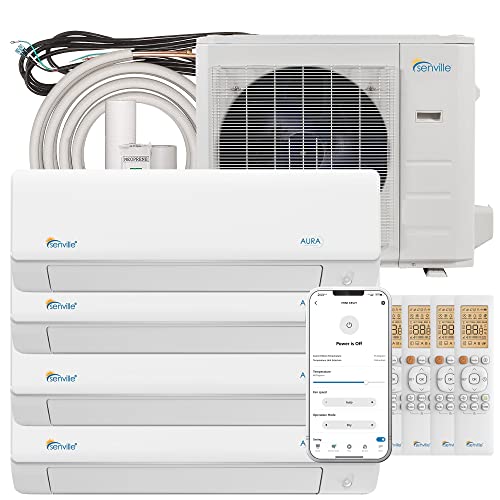
Senville AURA Mini Split AC/Heating System, 4 Zone, White, 36000 BTU | Energy Star Certified, Works with Alexa, Ductless Inverter, 3 Ton, AHRI Certified
⚠️ Note: The purchase links above are affiliate links. As an Amazon Associate, we earn from qualifying purchases at no additional cost to you.
COSTWAY 28K Tri 3 Zone Mini Split AC/Heating System, 20 SEER2 12K WiFi Enabled Split AC w/Heat Pump & Pre-Charged, Line Set Included, 208/230V (Blast Pro Series)
⚠️ Note: The purchase links above are affiliate links. As an Amazon Associate, we earn from qualifying purchases at no additional cost to you.
ROVSUN 28000BTU Tri Zone Mini Split AC/Heating System, 20 SEER2 3 Zone (9K/9K/9K) BTU Ductless Split Air Conditioner with Pre-Charged Condenser, Heat Pump & 25Ft Line Set, 208-230V
⚠️ Note: The purchase links above are affiliate links. As an Amazon Associate, we earn from qualifying purchases at no additional cost to you.
TURBRO 36,000 BTU 4 Zones Mini Split AC/Heating System, 22.5 SEER2, R454B, Ductless Multi Zones Inverter Mini Split Air Conditioner with Heat Pump, WiFi Enabled, Greenland (9Kx3+12K), 230V
⚠️ Note: The purchase links above are affiliate links. As an Amazon Associate, we earn from qualifying purchases at no additional cost to you.
Disclaimer
Some of the content on this site uses AI assistance. Information is provided for educational purposes only. We are not responsible for any losses resulting from the use of this information. By using this site, you waive any right to bring legal claims against us arising from your use of the information provided. If you do not agree, please do not use this site.
Read the full disclaimer.
We uses cookies to provide you with a better browsing experience. By continuing to use our site, you consent to our cookie settings.
Learn more